

We’re witnessing a fundamental shift in how people find information online. Traditional search engines are no longer the only destination for answers. Younger audiences now prefer fast, visual results over text-based queries.
The data speaks volumes: nearly 40% of younger users turn to visual platforms for their discovery needs. They spend 95 minutes daily on these apps—significantly more time than on traditional social media. This isn’t a temporary trend; it’s a permanent change in consumer behavior.
Optimizing your video content for search visibility has become essential. Brands that ignore this shift risk missing their target audience where they’re actually spending time. The demand for professional optimization services has surged 116% in recent months.
We’ll show you exactly how to get your videos discovered by people actively searching for content like yours. Our approach focuses on measurable results, not viral luck.
Key Takeaways
- Younger audiences increasingly prefer visual platforms over traditional search engines
- Users spend significantly more time on video-first apps than other social media
- Optimizing content for search visibility is now essential for brand discovery
- Professional optimization services have seen massive demand growth
- Effective video optimization focuses on measurable results rather than viral chance
- The shift toward visual search represents a permanent change in user behavior
- Proper optimization can generate substantial views regardless of follower count
Introduction to TikTok as a Search Engine Landscape
Consumer search habits are undergoing a radical evolution. The platform once known purely for dance challenges now answers critical questions for millions.
We see a clear generational divide. Nearly 40% of young adults bypass traditional engines for this visual search experience.
Why TikTok is More Than Just Entertainment
Users crave immediacy. Lengthy articles feel slow compared to a 60-second video showing a product in action.
This impatience drives the shift. The social media giant delivers fast, authentic answers. It’s a new search engine in a familiar wrapper.
Conversion rates tell the real story. In fashion and beauty, the platform drives up to 80% of purchases. The “TikTok made me buy it” effect is a powerful economic force.
User Behavior and Search Intent on TikTok
People approach this platform differently. They seek peer validation and real-world demonstrations over corporate messaging.
Their searches are for lived experience. Trust is placed in creators, not brands. This intent shapes the entire content ecosystem.
| Search Intent | Google Behavior | TikTok Behavior |
|---|---|---|
| Find a Restaurant | Read reviews and menus | Watch video tours and meal reactions |
| Learn a Skill | Find detailed blog tutorials | Follow quick, visual step-by-step guides |
| Product Research | Compare specs and prices | See unboxings and real-user testimonials |
This change is so significant that Google’s leadership has publicly acknowledged the competition. The engine of discovery has new fuel.
The Evolution of TikTok SEO and Its Impact on Video Visibility
The platform’s transformation into a discovery tool represents one of the fastest pivots in digital history. We’ve watched it evolve from basic search functionality to sophisticated ranking systems.
Extended caption limits from 300 to 2,200 characters created new optimization opportunities. This change allows creators to target specific keyword volumes effectively.
From For You Page to Organic Search Rankings
Visibility now operates through two distinct pathways. The For You Page remains crucial, but search rankings offer a more controllable approach.
We see concrete evidence in traffic analytics. One case study showed 61,000 views with 97% originating from organic search results.
The platform’s integration with Google search confirms this shift. Short videos now appear prominently for general queries beyond platform-specific searches.
This dual-path system requires mastering both algorithmic trends and search optimization. Successful creators understand how to leverage both for maximum exposure.
Key Ranking Factors in TikTok SEO
The algorithm’s evaluation process relies on specific, measurable signals that determine visibility. We’ve identified three primary categories that influence how content ranks in search results.
Video Information and Engagement Signals
Video information carries substantial weight in the ranking system. This includes captions, hashtags, sounds, and on-screen text elements.
The platform analyzes both visual and audio components. Spoken keywords and text overlays help categorize your content effectively.
Engagement metrics create a powerful snowball effect. Watch time and completion rates signal quality to the system.
User Interactions and On-Screen Text
User behavior matters more than vanity metrics. The algorithm tracks likes, shares, and how long viewers watch your video.
On-screen text carries significant ranking power. Include target keywords within the first five seconds as visible overlays.
“Follower count doesn’t determine search visibility—optimized content does. This levels the playing field for all creators.”
| Ranking Factor Category | Weight Importance | Key Elements | Optimization Priority |
|---|---|---|---|
| User Interactions | High | Watch time, shares, likes | Critical |
| Video Information | High | Keywords, sounds, captions | Critical |
| Device/Account Settings | Low | Language, location | Secondary |
This structured approach ensures your content reaches the right audience. Focus on what the algorithm values most.
Popular TikTok SEO Mistakes to Avoid
We consistently observe the same preventable errors limiting creators’ search visibility. Many talented content producers unknowingly sabotage their performance through technical missteps.
These optimization pitfalls can undermine even compelling video content. Understanding what not to do is as crucial as mastering best practices.
Overusing Hashtags and Keyword Stuffing
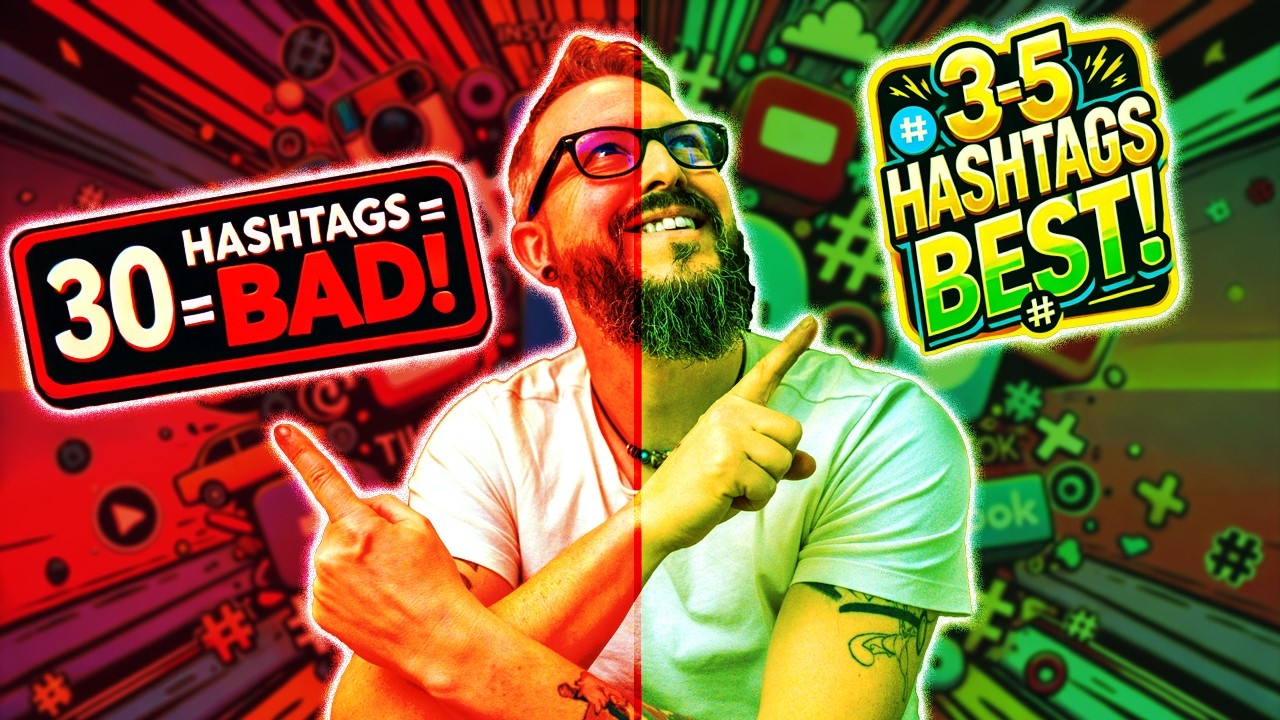
Hashtag overload remains one of the most damaging mistakes. Cramming 15-20 tags into captions doesn’t boost visibility—it confuses the algorithm about your content’s focus.
Expert Sara Nielsen warns against this approach. “Don’t overdo it on the hashtags! Using too many can not only make your caption look cluttered, but more importantly, it can confuse TikTok about your post’s focus.”
Her research identifies 3-5 strategically chosen hashtags as the sweet spot. This balance allows accurate categorization while keeping captions clean for viewers.
Keyword stuffing creates similar problems. Throwing disconnected terms together may satisfy robots, but it kills user engagement. Natural language always outperforms artificial density.
Many creators disable auto-generated captions for aesthetic reasons. This is a critical SEO mistake because those captions help the algorithm understand spoken content, even when positioned off-screen.
Inconsistent posting patterns hurt performance more than most realize. Regular uploads help the platform understand your content theme and establish authority in your niche.
The biggest strategic error is treating optimization as an afterthought. Plan keyword targeting and hashtag strategy before recording. Build these elements into your content creation process from the start.
Conducting Effective Keyword and Hashtag Research on TikTok
The search bar holds more strategic value than most creators realize for content planning. We treat it as our primary research tool for understanding audience intent.
Effective discovery begins with the platform’s autocomplete function. When you type a term, the system reveals what others are actively searching for based on real data.
Tools for Keyword Discovery
We leverage both native features and professional tools. The “alphabet soup” method—searching your main keyword followed by each letter—uncovers valuable long-tail variations.
Professional tools like SEMrush’s Keyword Magic Tool generate thousands of keyword ideas with metrics. We cross-reference these findings on the platform to validate actual usage.
Analyzing Trending Hashtags
Hashtag research requires analyzing both popularity and performance. The creator center shows trending tags by industry, but we also examine view counts on videos using those tags.
Strategic research balances high-volume competitive terms with lower-volume niche keywords. This approach builds ranking authority progressively while capturing specific search intent.
How the TikTok Algorithm Influences Video Rankings
Most creators fundamentally misunderstand how the platform’s discovery system actually distributes their videos. We see two distinct pathways working simultaneously: active search and passive content discovery.
The active search pathway operates when users deliberately look for specific topics. Well-optimized videos compete directly here. Meanwhile, the For You Page serves content based on learned preferences without user initiation.
Understanding Traffic Sources on TikTok
Analytics now reveal exactly how people find your content. The data shows whether views come from For You feeds, search pages, or direct messages. This transparency helps creators understand which approaches actually work.
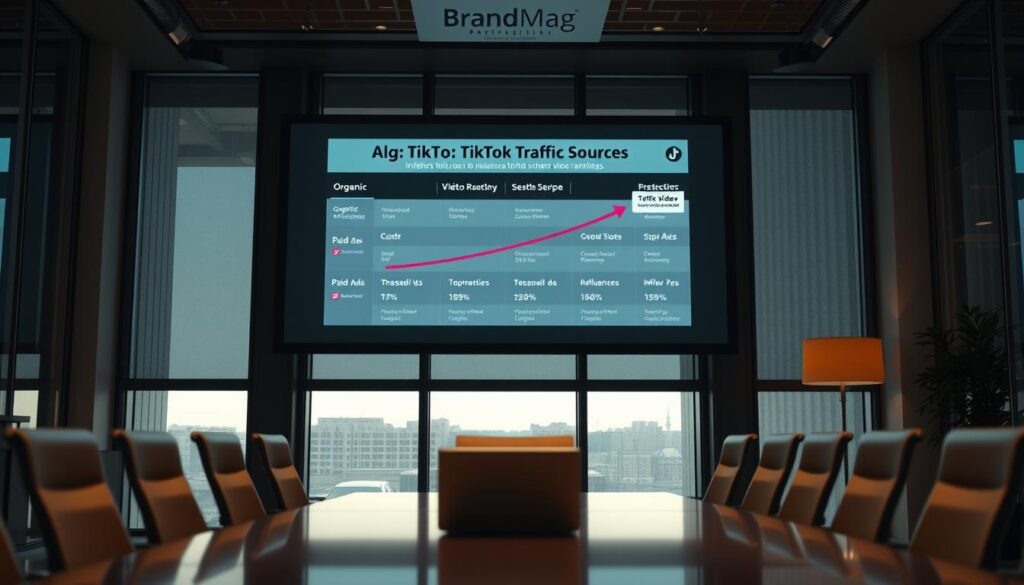
Here’s the counterintuitive reality: follower count and previous viral videos aren’t direct ranking factors. Small accounts can outrank established creators through superior optimization and content relevance.
The algorithm constantly tests new videos with small audience samples. It analyzes engagement signals like watch time and shares to determine broader distribution. This testing process ensures only quality content reaches wider audiences.
Search performance on this platform dramatically outperforms traditional engines. One video ranking position 3 achieved 66% CTR—significantly higher than typical search engine results. Users frequently click multiple results, creating more opportunities for visibility.
Optimizing for both discovery pathways creates compounding effects. Search traffic builds consistent baseline views while algorithmic placement delivers viral spikes when engagement signals align.
Implementing an Effective TikTok SEO Strategy
We’ve identified four actionable steps that transform basic content into search-optimized assets. This systematic approach delivers consistent visibility regardless of follower count or viral luck.
Begin with deep audience analysis beyond basic demographics. Study which videos your target viewers engage with, what hashtags they follow, and what questions they express in comments.
Steps to Optimize Your Video Content
Thorough keyword research forms your foundation. Find the specific phrases your audience uses when searching—consider different phrasings and related terms.
Integration requires a multi-layered approach. Say your main keyword aloud within the first five seconds. Display it as on-screen text and include it naturally in your caption.
“TikTok only shows a small amount of text, so make it count! Front-load your captions with keywords and hooks.”
The Calgary pizza video example demonstrates comprehensive optimization. It incorporated the target keyword in caption, on-screen text, hashtags, and audio—achieving top placement through consistent signaling.
Best Practices for Engagement and Search
Structure videos with compelling hooks in the first three seconds to maximize watch time. Ask questions to encourage comments and create content viewers want to save for reference.
Advanced tactics include using keywords in video comments. This provides additional context signals while keeping your main caption clean and viewer-friendly.
Testing and iteration separate successful approaches from failed experiments. Review metrics regularly and adjust based on what actually moves the needle—not assumptions.
Leveraging Trending Sounds and Hashtags for Greater Reach
Audio selection isn’t just background music—it’s a critical ranking signal that 88% of users consider essential to their experience. We treat trending elements as strategic assets, not creative afterthoughts.
The right combination drives discovery through multiple pathways. This approach delivers consistent results beyond viral chance.

Finding Current Trending Sounds
We recommend four reliable methods for discovering popular audio. The platform’s creator center shows breakout trending sounds with full analytics including demographics and geographic data.
Third-party tools like TokBoard track weekly music charts. Scrolling your feed while engaging reveals what’s working now.
Searching “viral sounds” directly uncovers current favorites. Smart creators select audio that aligns with their brand message while capitalizing on algorithmic boosts.
Integrating General and Niche Hashtags
Hashtag strategy requires balancing broad and specific tags. Sara Nielsen explains this dual approach: “I might use #football as a broader hashtag, and #footballtrainingdrills as a more specific hashtag.”
General hashtags classify your content into industry categories. Niche tags target exact audiences searching for specific solutions.
This creates two discovery pathways simultaneously. Broad tags expand reach while specific tags ensure you appear in relevant search results.
Monitor trending hashtags consistently through the creator center. The data shows view counts, engagement rates, and top creators using each tag.
Monitoring and Adjusting Your TikTok SEO Efforts
Tracking performance metrics separates successful optimization from random viral luck. Without proper monitoring, you’re optimizing blind—unable to distinguish effective tactics from wasted effort.
Utilizing Analytics Tools
We rely on granular traffic source data to validate our approach. The platform now reveals exactly which search terms drive views to your videos.
One case study demonstrated remarkable results: 61,000 views with 97% originating from organic discovery. Advanced metrics include average position and click-through rates.
Another video achieved position 3 with 66% CTR—performance data that reveals competitive positioning. Tools like Hootsuite Analytics provide comparative analysis over time.
Sara Nielsen recommends disciplined testing: “Test out different content, different SEO strategies, different captions, and never stop testing. Monitor metrics closely to see what’s working and what isn’t.”
Change one variable at a time for several weeks. Review whether it moved the needle before testing the next adjustment.
Focus on the right metrics: search views, watch time, and engagement matter more than inflated totals. Use your data to double down on what works and eliminate ineffective approaches.
Tools and Analytics: Tracking TikTok Search Performance
Without proper measurement tools, optimization efforts remain guesswork rather than strategic improvement. We build our approach on data-driven insights that reveal what actually drives visibility.
Free and Premium TikTok SEO Tools
The tool landscape offers solutions for every budget level. Hootsuite provides a free caption optimizer that suggests keyword-rich text based on your video description and desired tone.
Premium platforms like SEMrush deliver comprehensive research capabilities. Their Keyword Magic Tool generates thousands of keyword ideas with detailed metrics.

The platform’s native Keyword Insights Tool reveals how top-performing content uses specific terms. It shows popularity changes, click-through rates, and usage patterns across different content elements.
Metrics to Watch for Success
Focus on meaningful data points rather than vanity metrics. Percentage of views from search reveals your true discovery performance.
Average position and CTR indicate competitive standing. Watch time percentage and engagement rates signal content quality to the algorithm.
“Test out different content, different SEO strategies, different captions, and never stop testing. Monitor metrics closely to see what’s working and what isn’t.”
| Tool Type | Primary Function | Best For | Cost Level |
|---|---|---|---|
| Native Analytics | Traffic source tracking | Basic performance monitoring | Free |
| Caption Optimizers | Keyword-rich text generation | Content creation assistance | Free to Premium |
| Keyword Research | Volume and difficulty analysis | Strategic planning | Premium |
| Competitive Intelligence | Top performer analysis | Market positioning | Enterprise |
Advanced tracking compares performance across multiple videos. This identifies patterns in keyword effectiveness and content format success.
Integrating TikTok SEO with Your Overall Social Media Strategy
The boundaries between social platforms and traditional search engines are dissolving faster than most brands realize. We see this as a fundamental restructuring of digital discovery.
Your social media approach must now account for cross-platform visibility. TikTok videos appear prominently in Google’s video results, occupying 80% of listings for queries like “things to do New York.
Building a Cohesive Multi-Platform Approach
Consumers now use multiple platforms as search tools. Pinterest for inspiration, YouTube for tutorials, and TikTok for quick visual answers. Each requires distinct optimization while maintaining brand consistency.
Smart content creators optimize for dual discovery. They target internal platform search while ensuring Google indexing. This strategy captures traffic from both traditional and social search engine results.
The emerging Google-TikTok partnership signals deeper integration between platforms. As social search evolves, your approach must span the entire digital ecosystem.
Repurpose high-performing content across platforms with platform-specific adjustments. Use the same core research but adapt execution for each audience and algorithm.
Conclusion
Mastering search optimization on visual platforms is no longer optional for serious content creators. The demand surge of 116% confirms this shift from experimental tactic to essential discipline.
Your approach must address both discovery pathways: active search where people deliberately look for your content, and algorithmic placement through engagement signals. Follower count doesn’t determine ranking—optimized videos do.
We see consistent results when creators integrate keywords across audio, text, and captions. Balance general and niche hashtags while leveraging trending sounds strategically.
The most sophisticated method integrates this optimization with your broader social approach. Track performance metrics obsessively and adjust based on data, not assumptions.
Here’s the bottom line: Any creator can compete by understanding audience intent and delivering quality content people want to watch and share. Plan your keywords before recording, optimize methodically, and let data guide your decisions.
FAQ
How does the TikTok search bar work differently from Google?
The platform’s search engine prioritizes video content and trending sounds over traditional web pages. It learns from user interactions, so popular videos and engagement signals heavily influence the search results you see.
What’s the most important factor for ranking videos on this platform?
User engagement is king. The algorithm values watch time, shares, and comments more than just keywords. High retention rates tell the system your content is valuable, boosting its visibility in search results.
Can using too many hashtags hurt my video’s visibility?
Absolutely. Keyword stuffing with irrelevant hashtags confuses the algorithm and looks spammy to viewers. We recommend using 3-5 highly relevant hashtags—mix one broad trending tag with niche-specific ones for the best performance.
How do I find the right keywords for my niche?
Start by typing phrases into the search bar and noting the autocomplete suggestions. Analyze the top-performing videos for those terms to understand their captions and on-screen text. Tools like TrendTok or TikTok’s Creative Center provide valuable data on trending searches.
Should I prioritize the For You Page or organic search for growth?
They are interconnected. A strong SEO strategy makes your content discoverable via search, which can then lead to FYP promotion if engagement is high. We focus on optimizing for both traffic sources to maximize reach and viewer growth.
How often should I review my TikTok analytics?
Check your video performance data weekly. Monitor key metrics like traffic source types (search vs. FYP), average watch time, and audience demographics. This information allows you to quickly adjust your content strategy for better search rankings.