
We live in a world where a single social media post can erase millions in value. United Airlines learned this lesson painfully. Your organization could be next without a solid plan.
Effective crisis management is no longer a luxury. It’s the fundamental difference between enterprises that weather the storm and the 40% that close after a major disruption. This isn’t about theory; it’s about survival.
We cut through the noise to provide actionable strategies. These methods protect your operations and reputation when things go wrong. Our analysis of real-world cases, from Pepsi to Johnson & Johnson, reveals what works.
This guide shows why speed and transparency matter more than damage control. You will learn to build systems that turn potential disasters into demonstrations of resilience. We provide a clear operational playbook for any challenge.
Key Takeaways
- Proactive planning separates thriving companies from those that fail after a major event.
- Speed and honesty in your response are more critical than trying to control the narrative later.
- Learning from both successful and failed real-world examples provides invaluable, practical insights.
- Building resilient systems beforehand turns a potential catastrophe into a manageable situation.
- A prepared organization can protect its financial health and public standing during turmoil.
- This approach is essential for navigating technological failures, public relations issues, and natural events.
Understanding the Nature of Crises in Business
An event becomes a crisis the moment it stops your company from functioning normally. This disruption targets your core assets: data, personnel, and IT infrastructure. The result is a complete halt in production and standard operations.
The impact extends far beyond immediate operational standstills. We see cascading effects across production schedules, customer trust, revenue streams, and your hard-earned market reputation. A single incident can unravel years of progress.
Defining a Crisis and Its Impact
We define these disruptive events by their consequences. They create a state where standard protocols fail. The primary goal shifts from growth to survival.
Financial health and public standing are immediately at risk. Customer advocacy can evaporate overnight. Understanding this broad impact is the first step toward building real resilience.
Types of Crises and Their Triggers
Crises generally fall into two categories. Each demands a different approach from leadership.
- Sudden Crises: These are unpredictable events like natural disasters or cyberattacks. They require immediate, decisive action to contain the damage.
- Smoldering Crises: These develop slowly from issues like internal conflicts or compliance failures. They often go undetected until they explode.
Other common triggers include technological failures, financial instability, and reputation-damaging incidents. Recognizing these patterns allows you to create targeted response systems that work under pressure.
The Importance of a Crisis Management Plan
FEMA data reveals a brutal truth: 40% of companies never recover from a major disruption. The primary reason is the absence of a functional crisis management plan. This document is your strategic response to events that threaten operations, reputation, or profitability.
We view this plan as preventative insurance. It demands an upfront investment of time and resources. That investment saves the enterprise from catastrophic losses when a disaster strikes.
Preventative Measures and Proactive Strategies
Effective planning is about action before the event. It involves identifying vulnerabilities in your systems. You establish clear communication protocols long before they are needed.
Training your team is a core proactive strategy. This preparation eliminates the paralysis that can destroy an organization. Teams with a documented plan respond faster and communicate clearer.
They navigate the path to recovery with confidence because the terrain is already mapped.
Consequences of Inadequate Planning
The cost of inaction is measurable and severe. We have watched organizations lose immense value in mere hours. This occurs when leadership treats planning as a low-priority checkbox exercise.
The results are stark: evaporated market value, permanent reputation damage, and a rapid exodus of customers. In the most extreme cases, it leads to the complete failure of the business.
Without a clear plan, a single crisis can become a terminal event. Preparation is the difference between a cautionary tale and a comeback story.
Implementing Business Crisis Management
Execution determines whether your preparation becomes protection or remains paperwork. We move strategies from documents to daily operations through disciplined coordination.
This implementation phase transforms abstract protocols into concrete safeguards. Every organization faces the moment when planning meets reality.
The Role of Transparency and Speed
Transparency isn’t a virtue—it’s a tactical necessity. The truth always surfaces eventually. Your credibility depends on whether you lead with honesty or get dragged to it.
Speed matters more than perfection in initial response. Waiting 48 hours for the “perfect” statement while speculation runs wild does more damage than an imperfect but honest immediate acknowledgment.
Clear, consistent communication prevents the information vacuum that breeds rumors and amplified outrage. We’ve seen that taking immediate action with integrity builds confidence that careful calculation never achieves.
The way you handle the first 48 hours often determines temporary setbacks from permanent reputation damage. Companies responding within hours maintain more control than those hoping storms pass.
Key Components of an Effective Crisis Management Strategy
Your crisis response team isn’t formed during the emergency; it’s built during peacetime. We assemble this core group before any disruption occurs. This prevents chaotic scrambling when decisive action matters most.
Establishing a Crisis Response Team
An effective crisis management team requires key decision-makers from critical departments. Include representatives from public relations, legal, HR, and operations. This diverse team ensures all perspectives inform the response.
Designate a clear chain of command with executive authority. This eliminates bureaucratic delays that cripple rapid action. Appoint a dedicated project manager to coordinate efforts across departments.
Your spokesperson should be a top leader, not a mid-level manager. This provides the credibility stakeholders demand during turbulent times. The right team structure turns panic into coordinated action.

Communication Protocols and Media Management
Clear communication protocols are your organization’s lifeline. They must utilize multiple channels simultaneously. Different stakeholders consume information through different mediums.
Develop pre-written messaging frameworks adaptable to specific situations. This prevents your team from crafting language under extreme pressure. Journalists won’t wait for perfect wording.
For product recalls or safety issues, your strategy must include public statements and direct customer notification. Detailed remediation instructions demonstrate accountability. This process minimizes confusion and builds trust.
Effective media management requires designated spokespersons and consistent messaging. Employees need internal updates while the public receives external communications. This dual approach maintains stability during chaos.
Learning from Real-World Crisis Management Examples
The most effective crisis strategies are written in the ink of past corporate battles. We examine four distinct approaches that defined outcomes for major organizations.
Each case reveals how leadership decisions during turmoil create lasting consequences. These real-world examples provide actionable insights beyond theoretical frameworks.
Success Stories: Pepsi and Johnson & Johnson
Pepsi’s 2017 Kendall Jenner ad controversy demonstrated speed over perfection. Within 24 hours of backlash, they pulled the campaign with a straightforward apology: “Clearly, we missed the mark.”
This immediate response stopped the bleeding effectively. The company minimized long-term effects through accountability.
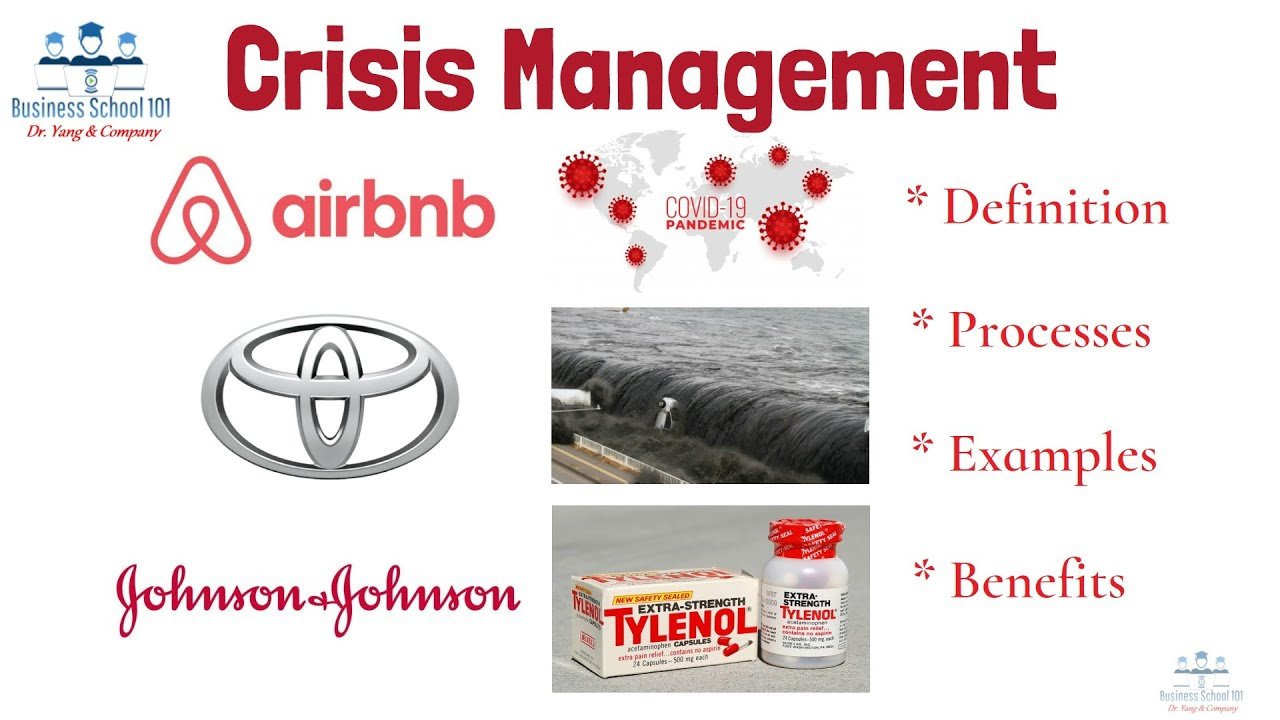
Johnson & Johnson’s 1982 Tylenol crisis remains the gold standard. Seven deaths from cyanide-laced capsules triggered an unprecedented response.
They recalled 31 million bottles despite evidence suggesting store-level tampering. Their transparency and tamper-proof packaging innovation built enduring trust.
Lessons from Cracker Barrel and Uber
Cracker Barrel took the opposite approach when #JusticeforBradsWife went viral. Complete silence allowed the controversy to fade with zero financial impact.
This example shows strategic silence can work when engagement would amplify the situation. Sometimes non-response is the most effective response.
Uber’s 2017 accumulated failures demonstrate how transparency absence destroys credibility. Multiple scandals cost them 200,000 users and significant reputation damage.
Their lack of accountability accelerated rather than arrested the downward spiral. These cases prove that reading each situation correctly determines success.
Analyzing Effective vs. Poor Crisis Management
Corporate history offers a stark gallery of triumphs and failures in handling major disruptions. We examine three distinct approaches that determined organizational survival.
Each case reveals how leadership decisions during turmoil create lasting consequences. These real-world situations provide actionable insights beyond theoretical frameworks.
Case Studies of Rapid and Effective Responses
Some companies demonstrate remarkable resilience through immediate, honest action. Their response prioritizes stakeholder welfare over corporate image.
We see patterns in successful recovery: transparency, accountability, and meaningful corrective measures. These elements build trust even during difficult circumstances.

Pitfalls and Missteps in Crisis Handling
United Airlines’ 2017 passenger incident shows catastrophic missteps. CEO Oscar Munoz defended staff actions while using corporate jargon like “re-accommodate.”
The airline lost $800 million in value within 24 hours. Their initial tweets defending employees compounded the damage dramatically.
Chipotle’s E. coli outbreak extended unnecessarily when leadership blamed CDC methods and media sensationalism. Only after leadership changes and a year-long revival did recovery begin.
Volkswagen’s emissions scandal combined the worst pitfalls: executive deception followed by massive layoffs. Customers felt intentionally deceived without meaningful remediation.
| Company | Incident Type | Initial Response | Financial Impact |
|---|---|---|---|
| United Airlines | Customer Service | Defensive, delayed apology | $800M loss (24 hours) |
| Chipotle | Public Health | Blaming external factors | 82% profit decrease |
| Volkswagen | Regulatory Fraud | Executive deception | 300,000 layoffs |
These examples reveal a consistent pattern: deflection and delay prolong damage. Organizations that respond rapidly with transparency recover faster.
The way a company handles the first 48 hours often determines temporary setbacks from permanent reputation harm. Effective process requires reading each situation correctly.
Preparing a Comprehensive Crisis Management Plan
We approach crisis planning as building muscle memory for your organization—developing instinctive responses through repetition. This transforms theoretical documents into operational systems that function under pressure.
Essential Steps for Immediate Response
Your management plan must include actionable checklists for each scenario. These provide step-by-step instructions simple enough to execute when stress peaks.
Establish clear communication protocols with pre-written statement templates. This allows rapid deployment without starting from scratch when every minute counts.
Make sure your team has defined roles documented and accessible. There should be zero confusion about who handles communication or coordinates with authorities.
Testing and Updating the Plan Regularly
Practice makes perfect. Run simulations and drills like fire drills for your organization. This exposes gaps before real emergencies exploit them.
Review and revise plans at least annually. Business environments change, and new threats emerge constantly. Yesterday’s comprehensive document becomes outdated quickly.
These steps transform your management plan from paperwork gathering dust into a functional system that protects personnel and assets during disruption.
Communication Strategies When Disaster Strikes
The speed and clarity of your messaging during turmoil often determine whether you control the narrative or become controlled by it. We prioritize communication as the most critical element of emergency response because timely, transparent updates prevent information vacuums where misinformation breeds.
Your strategy must operate across multiple channels simultaneously. Internal employee briefings, customer notifications, and media statements require tailored approaches for each audience. Designate spokespersons in advance with clear messaging guidelines.
Keep your team informed first—they’re your frontline ambassadors. They’ll hear about the situation regardless. Better they receive accurate information from you than rumors from external sources.
Regular updates demonstrate active management even when there’s no major news. Silence during difficult periods gets interpreted as incompetence or concealment. Focus communication on people first: address safety concerns and stakeholder welfare before operational logistics.
| Communication Channel | Primary Audience | Key Strength | Best Use Situation |
|---|---|---|---|
| Internal Email/Portal | Employees | Detailed information | Initial announcement and ongoing updates |
| Social Media | General Public | Speed and reach | Quick updates and rumor control |
| Press Conference | Media Outlets | Credibility and depth | Major developments and Q&A |
| Direct Customer Contact | Affected Clients | Personalized care | Service disruptions and safety issues |
We’ve learned that demonstrating genuine care for affected parties maintains trust that survives the emergency. Transparency about what you know—and what you don’t—builds more credibility than false confidence. People forgive mistakes but rarely forgive deception discovered later.
Integrating Business Continuity with Crisis Management
Effective organizational resilience requires understanding how two distinct frameworks work together: one for immediate chaos, another for long-term operations. Many enterprises mistakenly treat these as interchangeable concepts, creating critical gaps in protection.
Differences Between Crisis Management and Business Continuity Plans
We distinguish these approaches by their timing and focus. A crisis management plan addresses the immediate emergency—communication, stakeholder relations, and damage control. It’s your first response when disruption hits.
Business continuity planning focuses on operational sustainability. This framework ensures revenue-generating functions continue despite the turmoil. It identifies backup systems, alternative workspaces, and supplier contingencies.
| Aspect | Crisis Management Plan | Business Continuity Plan |
|---|---|---|
| Primary Focus | Immediate response and reputation protection | Operational sustainability and recovery |
| Timeframe | First 48 hours of disruption | Weeks to months of continued operations |
| Key Components | Communication protocols, media management | Backup systems, remote work capabilities |
| Success Metric | Stakeholder trust preservation | Revenue stream maintenance |
How to Align Both for Maximum Resilience
Integration means ensuring these plans reinforce rather than conflict. Your crisis communication should include business continuity status updates. Operational recovery timelines must align with reputation repair efforts.
Risk assessment drives both processes. Identify threats, evaluate impact, then develop specific responses for immediate management and preventative measures for continuity. This alignment transforms potential catastrophes into manageable disruptions.
Actionable Steps to Safeguard Your Company
True organizational resilience isn’t about having a document on file—it’s about building instinctive response capabilities into your daily operations. We focus on systems that activate automatically when disruption occurs.
Implementing Preventative Systems
We develop financial models projecting how different scenarios impact revenue and expenses. This data-driven approach prioritizes resource allocation during difficult times.

Visitor management software enhances security while demonstrating operational professionalism. Regular simulations expose weaknesses before real events exploit them.
Establishing a Crisis Budget and Emergency Protocols
Create a dedicated budget with readily available funds for immediate response costs. Liquidity during emergencies separates companies that survive from those that collapse.
Model specific scenarios impacting cash flow with automatic triggers. If revenue drops significantly, predetermined protocols activate instantly.
Emergency procedures should integrate with daily operations. This familiarity reduces the learning curve during high-stress situations.
Valuable Lessons from Past Crisis Incidents
Every major disruption leaves behind a trail of evidence that reveals what separates surviving enterprises from those that falter. We study these patterns to build institutional knowledge that protects against future threats.
The COVID-19 pandemic demonstrated preparedness isn’t theoretical. Organizations with remote work infrastructure adapted in days while competitors scrambled for months. This example shows planning delivers measurable advantage during unexpected times.
Industry-specific planning proves equally valuable. Companies in flood-prone zones with backup systems resume operations faster than unprepared rivals. Their response minimizes downtime and financial damage.
| Response Approach | Key Characteristics | Typical Outcome |
|---|---|---|
| Proactive & Transparent | Immediate acknowledgment, executive involvement, clear action plan | Preserved reputation, faster recovery |
| Defensive & Delayed | Initial denial, delegated communication, vague statements | Amplified damage, lost confidence |
| Strategic Silence | Limited engagement, behind-scenes resolution, measured timing | Controlled narrative, minimal escalation |
We’ve learned that accepting responsibility rebuilds trust faster than carefully crafted deflections. People forgive honest mistakes when companies lead with genuine empathy.
Executive involvement carries significant weight during turbulent periods. CEOs who personally address situations demonstrate commitment that mid-level spokespersons cannot match.
These lessons reveal that reputation harm from poor handling often exceeds the original incident’s impact. Your strategy matters as much as the triggering event itself.
Corporate crisis management excellence develops through studying examples and practicing responses. It’s a learned capability that compounds into resilience over time.
Conclusion
Preparedness transforms potential disasters into opportunities to demonstrate leadership and build lasting trust. The difference between enterprises that thrive after disruption and those that falter comes down to intentional systems built before they’re needed.
We’ve shown that effective crisis management isn’t theoretical—it’s practical, actionable, and entirely within your control. The right plan, tested response strategies, and integrated continuity process turn challenges into demonstrations of resilience.
Your company will face unexpected events. The question isn’t if, but how you’ll respond. Start today: form your team, document your approach, and build the systems that protect what you’ve created. True corporate crisis management doesn’t just safeguard your enterprise—it shows stakeholders you’re built to withstand storms.
FAQ
What is the primary goal of a crisis management plan?
The main objective is to protect your organization’s reputation and ensure operational continuity. We focus on minimizing damage through a structured, pre-defined response that guides the entire team during high-pressure events.
How often should we test our emergency response protocols?
We recommend conducting realistic simulations at least annually. Regular testing exposes weaknesses in your system and ensures your team remains prepared and confident, turning your plan from a document into a practiced action strategy.
What is the most common mistake companies make during a corporate crisis?
The biggest pitfall is a slow or dishonest communication strategy. Delays and lack of transparency with stakeholders and the media can severely amplify reputation damage. Speed and honesty are non-negotiable for maintaining trust.
Who should be on our core crisis team?
Your core group must include key executives from leadership, legal, communications, and operations. This cross-functional unit ensures decisions are informed, rapid, and align with both legal requirements and strategic recovery goals.
How does a business continuity plan differ from a crisis management strategy?
Crisis management addresses the immediate response to the event itself—containing the threat and managing communication. Business continuity focuses on the subsequent recovery of critical functions to resume operations. They are two integrated parts of a full resilience strategy.
Can software really help with disaster management?
Absolutely. Specialized platforms streamline the process by centralizing contact lists, pre-approved messaging, and action steps. This technology eliminates confusion, speeds up execution, and provides a clear audit trail for post-event analysis.