

Let’s cut straight to the point: the quality of your professional documents directly impacts your bottom line. Whether you’re closing deals, managing teams, or updating stakeholders, every message you send carries weight. We see it constantly—clarity drives action, while confusion costs money.
Forget flowery language and impressive vocabulary. Powerful professional correspondence is about delivering information that gets results. Data confirms it: companies lose significant revenue annually due to miscommunication, and unclear documents are a primary cause.
This guide provides actionable strategies to transform your corporate correspondence from forgettable to highly effective. We’ll cover the fundamentals, practical techniques, and real-world examples that separate mediocre communicators from experts.
Our objective is simple: equip you with the ability to compose clear, persuasive, and professional messages across every context. You will learn how to structure communications, choose the right tone, avoid common pitfalls, and leverage proven methods.
Key Takeaways
- Your professional documents have a direct financial impact on your organization.
- Effective communication prioritizes clarity and action over complex language.
- Miscommunication fueled by poor documents results in substantial financial losses.
- This guide offers practical, real-world strategies for immediate improvement.
- You will learn to structure messages persuasively and choose the appropriate tone.
- Mastering these techniques leads to measurable outcomes in your professional interactions.
Understanding the Fundamentals of Business Writing
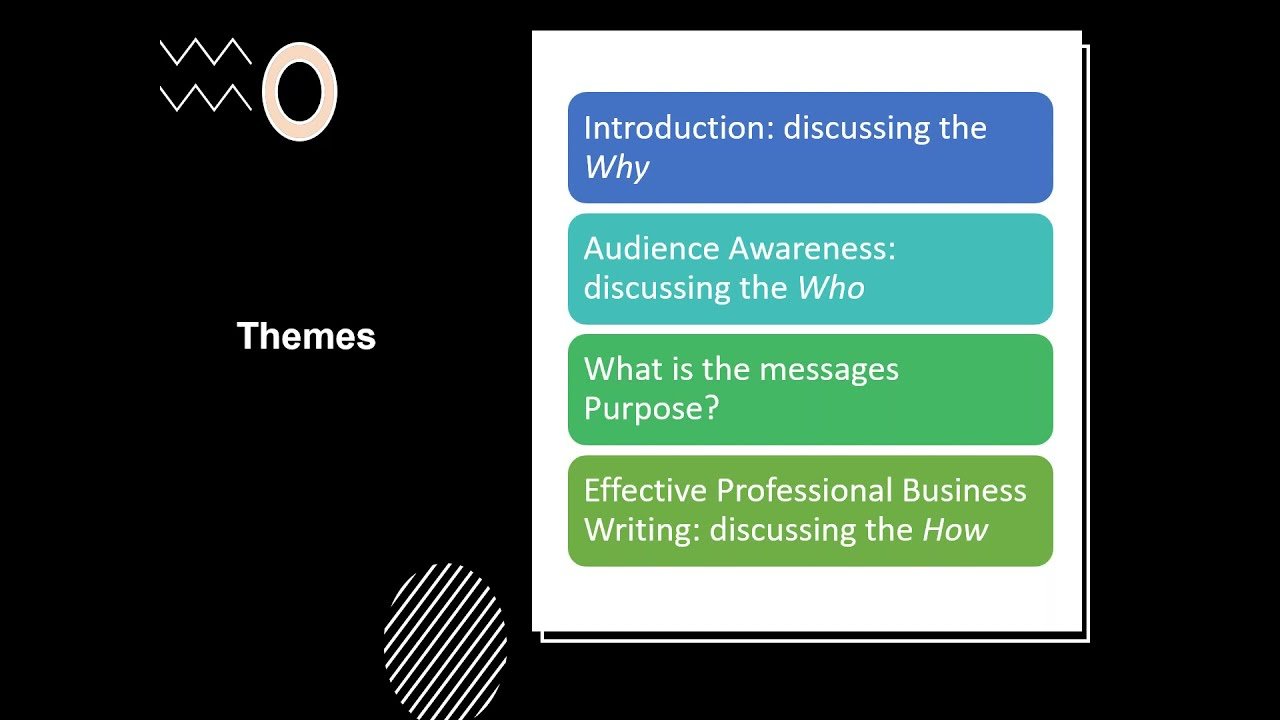
We’ve observed a consistent pattern: the most effective professional documents are built on a foundation of strategic intent. This means knowing exactly who you’re addressing and what you need to achieve before you start.
Identifying Audience, Purpose, and Tone
Start with three questions. Who is the reader? What must they know? What action should they take? Your audience dictates everything. A memo for your team uses different language than a proposal for a board.
Your core purpose defines the document’s type. Are you persuading, instructing, informing, or formalizing an agreement? Each goal requires a distinct approach.
The tone must align with both your purpose and your audience. Enthusiasm works for a sales pitch. Authority is essential for a policy update.
We categorize professional documents into four primary types. Understanding these is crucial for selecting the right structure and style.
| Type | Primary Goal | Common Examples |
|---|---|---|
| Persuasive | Change behavior or secure a purchase | Proposals, sales emails |
| Instructional | Provide clear directions or training | Manuals, process guides |
| Informational | Deliver facts for decision-making | Reports, meeting minutes |
| Transactional | Formalize agreements with legal weight | Contracts, official notices |
Organizing Your Message with the OABC Method
A clear structure is non-negotiable. We recommend the OABC method for message organization.
Opening: State your core purpose immediately.
Agenda: Briefly preview the key points you will cover.
Body: Deliver your main information logically.
Closing: Summarize and specify the required next steps.
This framework ensures your reader can easily follow your message from start to finish.
Mastering Business Writing Skills for Success
Time is the ultimate currency in professional correspondence, and clarity is its exchange rate. We’ve found that the most effective documents deliver maximum impact with minimum words.
Developing a Clear, Concise Message
Respect your reader’s limited attention. One core idea per sentence prevents confusion and speeds comprehension. Complex sentences with multiple clauses force unnecessary mental work.
Every word must serve your communication goal. We constantly see documents padded with redundant phrases that add zero value. “Make a decision” wastes three words when “decide” accomplishes the same.
| Wordy Phrase | Concise Alternative | Words Saved |
|---|---|---|
| In the process of upgrading | Upgrading | 4 |
| Due to the fact that | Because | 4 |
| Carry out an improvement | Improve | 3 |
| At this point in time | Now | 4 |
Edit ruthlessly. Cut every word that doesn’t directly advance your message. This approach transforms good business writing into exceptional communication.
Think of concise content as a competitive advantage. While others bury key points in fluff, your clear messages get read and acted upon immediately.
Enhancing Clarity and Professional Tone
Your vocabulary and sentence construction serve as silent ambassadors for your professional competence. We see too many otherwise capable professionals undermine their credibility through careless language choices.
Choosing the Right Language and Style
Every word selection builds or erodes trust. Neutral, bias-free language demonstrates respect for your reader. Loaded terms create unnecessary friction.
Active voice transforms weak communication into powerful messages. “The team achieved the target” carries more authority than passive alternatives. Your sentence structure should follow clear subject-verb-object patterns.

We advocate for plain language over complex jargon. Simple words accelerate comprehension. Think “improve service” rather than “facilitate service ameliorations.”
Maintaining Professionalism in All Communications
Professional tone means respectful clarity, not corporate stiffness. Match your style to the relationship with your reader. This balance separates exceptional communicators from average ones.
Break dense paragraphs with white space and formatting. Readers scan before committing. Make their job easier with logical organization.
Your writing style should reflect brand voice while maintaining standards readers expect. Consistency builds recognition and trust over time.
Practical How-To Tips to Improve Business Writing
We consistently see one factor separating mediocre communication from exceptional results: disciplined execution. Theory means nothing without practical application. These actionable strategies transform understanding into measurable outcomes.
Effective Planning, Drafting, and Proofreading
Invest time upfront. Outline your document before drafting. Identify key points and structure information logically. This planning phase determines success.
Proofreading isn’t optional—it’s essential. Typos and grammatical errors destroy credibility faster than content flaws. We recommend multiple review passes.

Use tools like Grammarly for grammar checks. Ask colleagues to review your work. Fresh eyes catch mistakes you’ll miss.
Avoiding Buzzwords, Clichés, and Jargon
Buzzwords plague professional documents. Terms like “synergy” and “leverage” sound impressive but communicate nothing. Cut them ruthlessly.
Jargon has limited utility. It works internally but becomes barriers for external audiences. Know your reader’s vocabulary level.
The CLOUD method provides systematic revision: check Coherence, Length, Organization, Unity, and Development. This framework ensures quality.
Apply these tips to emails and reports. Use clear subject lines, bold deadlines, and bullet points. Position critical information at the top. Your documents will get faster responses and better results.
Integrating Examples and Resources for Better Communication
Examples separate theoretical knowledge from practical application in professional communication. We’ve collected proven templates that demonstrate how principles translate into effective documents.
Learning from Real-World Business Writing Examples
Application letters showcase strategic structure in action. A strong cover letter follows this pattern:
- Opening: State your purpose and position interest clearly
- Agenda: Highlight what makes you stand out immediately
- Body: Connect qualifications to specific role requirements
- Closing: Directly request the next step with contact details
Transmittal letters to customers or employees serve a different purpose. They identify what you’re sending and why it matters to the reader. Effective examples address recipients by name and reference specific projects.

Utilizing Tools and External Resources
The right resources amplify your communication impact. Grammar checkers catch errors that undermine credibility. Style guides ensure consistency across company documents.
Different types of business writing demand different approaches. Build a resource library with templates for common document types. Study examples from your industry to understand what resonates with your readers.
These tools transform good intentions into professional results. They provide the scaffolding for clear, purposeful communication that drives action.
Conclusion
Consider this your strategic advantage in a noisy marketplace. Powerful professional correspondence isn’t optional—it’s your leverage for faster decisions and stronger relationships.
We’ve equipped you with a complete framework. Know your audience. Structure messages with purpose. Choose clear language over jargon. Every technique serves one goal: driving action.
Your documents represent more than information; they project competence. Sloppy communication suggests disorganization. Concise messages command respect and get results.
The ROI appears immediately. Apply these strategies to your next email or report. Transform your professional communication from adequate to exceptional.
FAQ
What is the most important first step in effective business writing?
The critical first step is identifying your audience and purpose. Before drafting, you must know who you are writing for and what you want them to do. This focus dictates your tone, content, and structure, ensuring your message hits the mark and drives action.
How can I make my professional documents more concise and clear?
We recommend using the OABC method: Opening, Agenda, Body, and Closing. Start with your main point, outline the structure, deliver the information logically, and end with a clear call to action. This framework cuts fluff and forces clarity, making your communication more powerful.
What common language mistakes should I avoid to sound more professional?
Eliminate buzzwords, clichés, and complex jargon. Terms like “synergy” or “leverage” often obscure meaning. Instead, use simple, direct language. Choose words that convey precise meaning to your readers, which builds credibility and ensures your message is understood.
Are there specific tools that can help improve my professional writing?
Absolutely. Tools like Grammarly or Hemingway Editor provide real-time feedback on grammar, style, and readability. They help you spot passive voice, complex sentences, and hard-to-read passages. We view these as essential resources for polishing any document, from emails to reports.
How does tone impact the effectiveness of a business message?
Tone is everything—it shapes how your message is received. A mismatched tone can alienate your audience, whether it’s a customer or an employee. Your tone should align with your purpose: confident for proposals, empathetic for customer service, and direct for internal updates. It’s a strategic choice.