

Remote work is now the operating system for modern business. It’s not a temporary fix. Your company’s culture must work just as hard from a distance as it did in the office.
Distance doesn’t weaken a company’s spirit. Weak leadership and unclear values do. The businesses thriving today built their foundation on principles that transcend physical location.
This is about hard economics. Gallup research shows an 85% net profit increase over five years for organizations that prioritize their culture. It’s a direct return on investment.
Remote-first doesn’t mean culture-last. It demands more intention in every communication and touchpoint. We must redefine how employees experience their work.
Forget ping pong tables. Real culture is built on systems and leadership practices. These make people feel connected, valued, and motivated no matter where they log in.
The world has changed. Your approach to building a great company must change with it. Winners in the talent war will be those who act on this new reality now.
Key Takeaways
- Remote work is a permanent shift, requiring a culture built for a distributed workforce.
- A strong organizational culture directly drives profitability and business success.
- Intentional leadership and clear values are the true foundation of a resilient culture.
- Effective remote culture focuses on systems and practices, not superficial office perks.
- Companies that adapt their culture for a remote world will win the competition for top talent.
Introduction: The Evolution of Remote Workplace Culture
The overnight shift to distributed teams revealed what truly holds an organization together. We saw companies that invested in their workplace culture thrive while others struggled. This wasn’t about office space—it was about foundation.
Shifting trends in remote work
Remote work exploded from emergency measure to core strategy. What took decades to consider happened in months. There’s no returning to the old model.
The transition exposed a critical weakness. Organizations that built their cultures around physical presence discovered shaky foundations. Proximity alone cannot sustain engagement.
Time zones and digital communication demand new approaches. What worked in conference rooms often fails on video calls. Leaders must adapt their strategies for distributed teams.
The growing importance of a strong culture
Strong workplace culture became the ultimate differentiator. Companies with robust systems saw employees stay productive and loyal. Even when working from kitchen tables, engagement remained high.
The data proves this isn’t theoretical. Great Place To Work research shows certified companies achieved 1,709% cumulative returns since 1998. That’s more than three times the performance of the Russell 3000 Index.
Employees at these workplaces are 34% more likely to rate customer service as excellent. Internal culture directly drives external results. Happy, engaged employees create better experiences regardless of location.
Geographic boundaries for talent acquisition have disappeared. Companies now compete globally for the best people. Culture has become the primary weapon in this new war for talent.
Understanding the Fundamentals of Corporate Culture
The DNA of every successful organization lies in its cultural framework—the measurable elements that determine whether people thrive or merely survive.
Defining company culture and its core elements
We define company culture as the daily reality of how work gets done. It’s not the mission statement on your website. It’s the accumulated behaviors and decisions that shape employee experience.
Great Place To Work research identifies eight core components of strong workplace cultures. These aren’t abstract concepts. They’re concrete factors you can measure and improve.
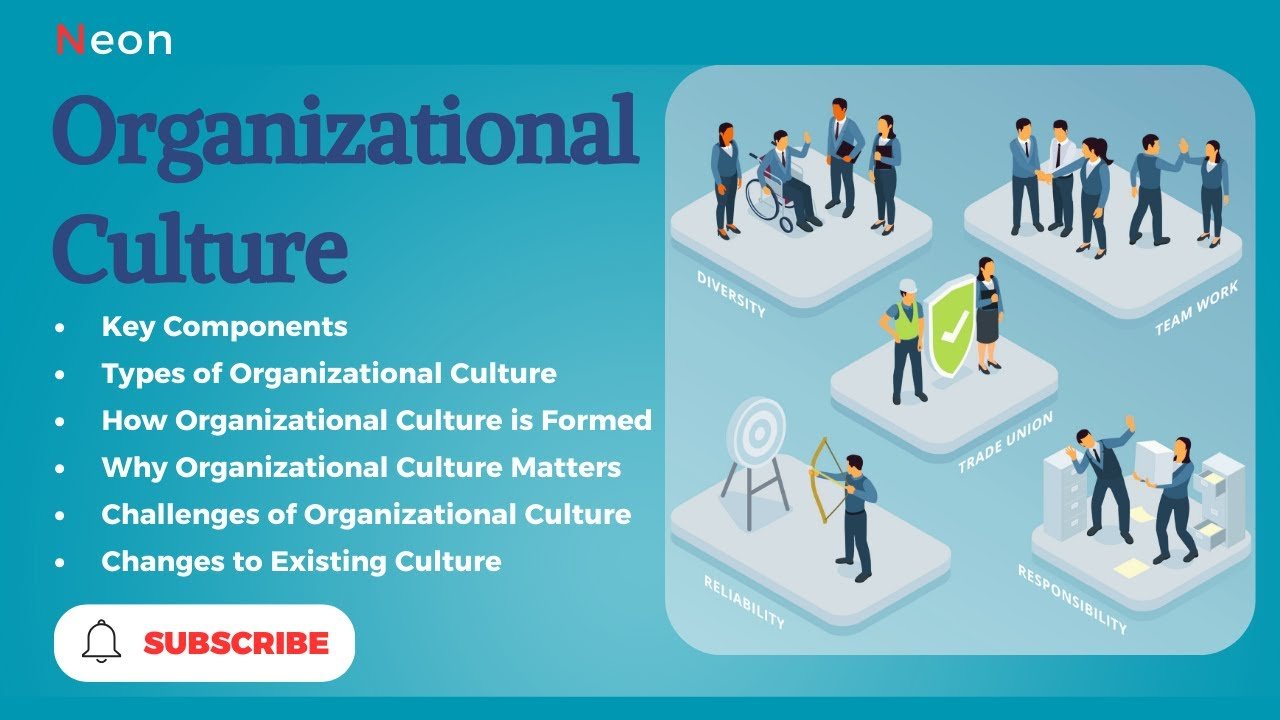
Credibility creates the foundation. At top companies, 83% of employees say management’s actions match their words. This builds essential trust.
Pride and belonging drive retention in powerful ways. Employees who feel proud are 20 times more likely to call their workplace great. Those who feel they belong are 5 times more likely to stay long-term.
Benefits of a cohesive workplace environment
The benefits extend far beyond employee satisfaction. Strong cultures create tangible business advantages.
They reduce turnover costs significantly. They accelerate decision-making and improve customer relationships. Execution becomes faster and more effective with proper alignment.
Innovation flourishes in psychologically safe environments. Employees are 31 times more likely to view their workplace as innovative when they can express ideas safely.
| Core Element | Business Impact | Data Point |
|---|---|---|
| Credibility | Builds trust and alignment | 83% at best companies vs 42% average |
| Pride | Drives retention and engagement | 20x more likely to call workplace great |
| Belonging | Reduces turnover costs | 5x more likely to stay long-term |
| Psychological Safety | Boosts innovation | 31x more likely to view as innovative |
“Culture eats strategy for breakfast” — but only when you build it on measurable fundamentals that create real business value.
Inspiring Corporate Culture Examples for Remote-First Success
Success stories from industry leaders demonstrate that remote-first excellence requires more than just technology—it demands cultural intentionality. We see companies thriving because they built systems that work anywhere.
Case studies from leading companies
Achievers shows us how recognition drives engagement. Their five core values create a framework for daily work. “It’s the people” means inclusion becomes practice, not policy.
Their platform makes appreciation systematic. Feedback tools ensure voices lead to action. This approach builds trust across distributed teams.
Patagonia proves purpose fuels performance. Their environmental internships align personal values with company mission. Employees contribute to causes they care about through their work.
Key lessons from real-life implementations
The pattern is clear: strong foundations travel well. These organizations didn’t stumble into success. They made deliberate choices about their operating principles.
Recognition must be daily, not annual. Values need consistent reinforcement. Purpose creates alignment that physical proximity cannot replace.
Remote environments amplify what already exists. Weak systems fail faster at distance. Strong principles create cohesion regardless of location.
Strategies for Cultivating a Positive Company Culture
Cultivating a positive workplace is an active process. It demands deliberate actions that build trust and drive performance. We move from theory to implementation.

Everything starts with leadership clarity. Define your values explicitly, then model them relentlessly. Employees mirror what you do, not what you say. Inconsistency between stated values and leadership behavior destroys trust faster than any other failure.
The most effective way to enhance culture is through systematic recognition. Implement practices that make appreciation frequent and specific. This reinforcement signals what success looks like in your organization.
Honest, ethical management creates exponential loyalty. Research shows employees who perceive managers as honest are 5 times more likely to stay long-term. They are 11 times more likely to rate the workplace as great. Integrity is foundational.
Pride matters more than pay for satisfaction. Fair compensation makes employees twice as likely to think their workplace is great. Pride in their work makes them 20 times more likely. Focus on meaningful accomplishment.
Lead with shared values, not rulebooks. When trust is core, you need fewer policies. People own outcomes rather than just follow instructions.
Create space for innovation by making idea-sharing safe. Cultures that encourage contributions without fear generate 31 times more innovation. Establish psychological safety where experimentation is valued.
Finally, align individual goals with the organizational mission. Employees must see how their daily work connects to a larger purpose. This clarity increases engagement because people understand their contributions matter.
Fostering Employee Engagement and Meaningful Recognition
Engagement isn’t a feeling—it’s a measurable output of systems that make employees feel seen and valued. We build it through daily practices, not annual events. Recognition must become part of the work rhythm itself.
Implementing regular recognition and feedback programs
Platforms like Achievers show us the power of democratized appreciation. Everyone can call out great work when it happens. This real-time feedback motivates people and builds connections across the organization.
Generic praise does nothing. Meaningful recognition is specific and tied to values. It reinforces the behaviors that drive business results. Feedback must also flow upward—Voice of Employee tools that lead to action create true engagement.
Encouraging team collaboration and individual growth
Celebrate collective wins alongside individual contributions. This builds strong team relationships and shows that success is cooperative. Recognition highlights how everyone’s work supports the whole.
Individual growth requires clear development paths. Employees who see advancement opportunities stay engaged. Stagnation kills motivation faster than almost any other workplace experience. Support skill development actively.
| Recognition Element | Impact on Engagement | Implementation Tip |
|---|---|---|
| Timeliness | Immediate motivation boost | Recognize within 24 hours of achievement |
| Specificity | Reinforces desired behaviors | Name the exact action and its value |
| Peer-to-Peer | Builds cross-team relationships | Enable anyone to recognize anyone |
| Values Alignment | Strengthens company identity | Link recognition to core principles |
First impressions matter tremendously. UKG’s “getting human” approach from day one shows new employees they’re joining an organization that cares. This early investment pays dividends in loyalty and productivity throughout the employee lifecycle.
When employees feel valued through consistent recognition, they bring more energy to their work. This directly translates to better customer service and stronger company performance across every metric.
Promoting Open Communication and Transparent Leadership
The gap between what leaders say and what they do determines whether remote teams thrive or merely survive. This isn’t about perfection—it’s about consistency in words and actions.
Establishing high-trust communication practices
At Best Companies, 83% of employees report management’s actions match their words. This creates a 41-point trust advantage over average workplaces. Leaders must share information regularly and admit mistakes openly.
Employees tolerate bad news better than being kept in the dark. Honest communication builds psychological safety where teams can challenge ideas without ego.
Leadership strategies that drive accountability
Adobe’s approach demonstrates effective leadership. They ask team members about goals and needed support, then get out of the way. This establishes clear expectations and ownership.
Micromanagement kills accountability by removing autonomy. Great leaders inspire people then trust them to execute.
Tools to facilitate transparent dialogue among remote teams
Slack channels and video standups can facilitate transparency. But tools don’t create culture—behaviors do. Leaders must model open dialogue and respond to employee input.
When people see their communication changing organizational direction, they engage more deeply. Their voices actually matter.
| Communication Practice | Trust Impact | Implementation |
|---|---|---|
| Action-Word Alignment | Builds credibility foundation | 83% at best companies vs 42% average |
| Regular Information Sharing | Reduces uncertainty anxiety | Weekly team updates and Q&A sessions |
| Mistake Admission | Creates psychological safety | Leaders openly discuss failures and lessons |
| Context Explanation | Builds understanding and support | Share decision rationale and constraints |
“Transparency isn’t about sharing everything—it’s about sharing what matters with the people who need to know.”
Emphasizing Diversity, Inclusion, and Belonging
Diversity and inclusion move beyond moral imperatives to become measurable business drivers. We build competitive advantage through environments where every voice contributes to outcomes.
Creating an environment where every employee feels valued
Belonging drives hard results. Employees who feel they belong are 3 times more likely to look forward to work. They are 5 times more likely to stay long-term.
This isn’t soft HR rhetoric—it’s retention economics. Great Place To Work research shows inclusive organizations grow revenue 3 times faster than less-inclusive competitors.
Real inclusion means employees influence decisions. At Best Workplaces, resource groups guide business strategy. Diverse voices reveal opportunities homogeneous teams miss.
Salesforce’s Ohana Culture demonstrates intentional systems. They put wellbeing and equity at the center through specific programs. Vague commitments accomplish nothing without structural support.
BHP operates across 16+ countries with diverse teams promoting safety and productivity. Different perspectives identify risks that homogeneous groups overlook. This matters in high-stakes environments.
Inclusion extends through the entire employee experience. Attracting diverse talent means little if people don’t feel they belong. Cultures emphasizing belonging create a place where people contribute their full capabilities.
Purpose connects directly to inclusion. Employees see meaning when their company’s mission includes creating equitable environments. People want to join organizations moving society forward. For actionable inclusion examples, examine practices from hiring to daily interactions.
Belonging requires examining every process through an inclusion lens. We must correct patterns that advantage some employees over others. The result is a workplace where diversity becomes your greatest asset.
Innovative Trends Shaping Workplace Culture in a Remote-First World
We’re witnessing a paradigm shift where workplace effectiveness is measured by outcomes, not office attendance. Forward-thinking companies are challenging century-old assumptions about how business operates.

Emerging practices from visionary companies
Capital One’s No Meeting Fridays protect deep work time. Their Invest in Yourself Days acknowledge that sustainable performance requires self-care.
Spotify’s “Band Manifesto” reframes leadership from control to guidance. This approach gives employees room to experiment without fear.
Workday integrates feedback systems seamlessly into daily workflow. Atlassian attracts talent ready to challenge ideas and own impact.
Sustainable initiatives for future growth
Telstra demonstrates that serious growth requires wellbeing infrastructure. Their mental health initiatives and flexible arrangements prioritize long-term performance.
Purpose-driven organizations gain recruitment advantage in today’s world. Employees increasingly choose employers based on values alignment.
The shift from measuring activity to measuring results represents fundamental change. Remote environments make this transition necessary for business success.
Practical Tips to Sustain a Thriving Remote Culture
The true test of any organizational culture comes during periods of scaling and change. We build systems that withstand growth pressures and distributed work realities. This requires intentional measurement, adaptation, and technology integration.
Evaluating culture through employee surveys and feedback
Great Place To Work demonstrates effective measurement. They assess credibility, respect, fairness, pride, and belonging through regular pulse surveys. Waiting for annual reviews means discovering problems months too late.
Feedback only creates value when it drives action. Surveys that disappear into meetings breed cynicism. Close the loop by communicating what you heard and what will change.
Maintaining engagement during organizational growth
Growth breaks informal relationships that sustained early culture. We must formalize practices through systems and training. Adobe’s approach shows the way—leaders ask about goals and needed support rather than micromanaging.
BHP’s FutureFit Academy provides continuous learning opportunities. Flexible schedules support employees seeking education. Stagnation drives turnover; growth sustains engagement.
Leveraging technology to support culture initiatives
Platforms like Achievers integrate recognition into daily work tools. Culture becomes embedded where work already happens. HubSpot’s autonomy model proves effective—employees control results and career development.
Technology enables culture at scale. But tools only amplify existing leadership behaviors. Consistency during pressure moments proves whether culture is real or performative.
Conclusion
Winning organizations recognize that culture is the ultimate competitive moat in a borderless talent market. The data proves this isn’t theoretical—platforms like Achievers demonstrate that systematic recognition delivers 2x the frequency and 5x the engagement impact of sporadic appreciation.
Great Place To Work Certified companies outperform market indices by more than three times. Employees at these workplaces deliver superior customer service. Inclusive organizations grow revenue three times faster than competitors.
Remote work eliminated geographic boundaries for talent. Compensation alone cannot retain great people when they prioritize environment over salary. Your company’s culture becomes the decisive factor in this global competition.
Start with clarity: define values explicitly and model them consistently. Measure employee experience regularly and act on feedback quickly. Culture changes through daily choices that show employees their contributions matter.
The organizations that thrive will be those treating culture as measurable, manageable, and critical to every business outcome. This is your strategic advantage in the remote-first world we now operate in.
FAQ
How do you define a strong company culture in a remote-first environment?
We define it as a shared system of values, behaviors, and practices that unifies a distributed team. It’s built on intentional communication, mutual trust, and a clear purpose that guides daily work and long-term goals, ensuring every employee feels connected and empowered regardless of location.
What are the tangible benefits of investing in workplace culture?
The return is clear: higher employee retention, increased performance, and stronger innovation. A cohesive environment directly boosts productivity and service quality, leading to better business results and a significant competitive advantage in attracting top talent.
Can you share real-life examples of successful remote cultures?
A> Absolutely. Companies like GitLab operate with a fully remote, transparent handbook that details every process. Patagonia’s mission-driven approach fosters deep employee commitment to environmental and social goals. These organizations prove that clarity of purpose and operational transparency are foundational to success.
What is the most critical step for leaders to build a positive culture?
Lead by example. Leadership must visibly embody the company’s core values through transparent communication and consistent accountability. Establishing high-trust practices and recognizing employee contributions are non-negotiable for creating an environment where people feel valued and motivated.
How does recognition impact employee engagement in a remote setting?
Regular, meaningful recognition is a powerful driver of engagement. It reinforces desired behaviors, shows employees their work matters, and strengthens team relationships. Implementing structured feedback and recognition programs is essential for sustaining morale and encouraging individual growth when teams are distributed.
Why is diversity and inclusion a business imperative for culture?
Diversity of thought fuels innovation and problem-solving. An inclusive environment where every employee feels they belong leads to higher collaboration and better decision-making. It’s not just a moral stance; it’s a strategic one that directly impacts performance and market relevance.
What emerging trends are shaping the future of workplace culture?
We see a strong shift towards sustainable work practices that prevent burnout, greater emphasis on measurable outcomes over hours worked, and the use of people analytics to proactively manage team well-being and performance. These trends focus on long-term health and results.
What practical tools help sustain a thriving remote culture?
Leverage technology that facilitates connection—like video conferencing for face-to-face interaction and collaboration platforms for seamless teamwork. However, the most critical “tool” is a consistent rhythm of communication: regular all-hands meetings, anonymous feedback surveys, and one-on-one check-ins that keep a pulse on the team.