

Your company’s ideas, brands, and innovations are often its most valuable assets — not inventory or equipment. Protecting that value is core to business strategy and investor confidence.
To put scale on the issue: global patent filings reached about 3.5 million in 2022 (WIPO World Intellectual Property Indicators 2023). For founders that translates into a crowded field and a clear need to establish legal rights early.
Avoid the common mistake of delaying protection until after launch. Many startups leave core value exposed by skipping audits, neglecting agreements, or failing to assign ownership internally. A small upfront process prevents expensive rework later.
This guide gives a straightforward framework for U.S. companies on patents, trademarks, copyrights, and trade secrets — with practical steps you can use now.
What this guide helps you do
- Identify your top three protectable assets (technology, brand, content).
- Decide whether to patent, register, or keep information secret.
- Take three immediate actions: run basic searches, prepare NDAs, and list assignment clauses for founders.
Start a quick IP audit checklist below to protect the assets that matter most.
Understanding Intellectual Property in the Startup Ecosystem
Your company’s most defensible advantages usually live in intangible assets, not in physical inventory. Strong intellectual property portfolios help startups compete and attract investors in ways that equipment or stock cannot.
The shift from inventory to innovation means founders must identify which non-physical assets actually create value for customers and investors.
Defining Key Intellectual Assets
Intellectual property covers the non-physical results of creativity and development that have economic value — for example, software algorithms, brand names, or a unique manufacturing process.
- Examples of intangible assets: proprietary algorithm used in a SaaS product; a cost-saving manufacturing process for hardware.
- Examples of tangible assets: prototype devices, office equipment, inventory.
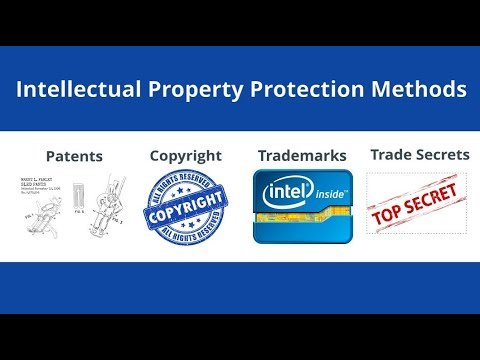
The four main types of protection—patents, copyrights, trademarks, and trade secrets—serve different purposes. Match the asset to the right mechanism rather than treating all IP the same.
Why Intangible Assets Matter
Intangible assets frequently represent the majority of a startup’s market value; investors pay for defensible advantages, not just physical property (see WIPO and market analyses for context).
The difference matters: you can replace a broken machine, but compromised intellectual property can eliminate your competitive edge. Establish clear intellectual property rights early to preserve value and make fundraising or partnerships easier.
Mark these assets for your first IP audit: list your top five pieces of technology, brand elements, and confidential information so you can prioritize protection steps.
The Value of Intellectual Property for Emerging Businesses
For many startups, the most valuable assets are *intangible*: proprietary designs, algorithms, or brand recognition that competitors cannot easily copy. Proper intellectual property turns development work into defensible market advantage and, often, higher valuation.
Creating meaningful intellectual property requires investment in talent and development. Those investments only pay off if you protect the resulting property with the right mix of patents, copyrights, trademarks, or trade-secret measures.
How IP Creates Measurable Value
- Licensing revenue — a protected patent or copyrighted product can generate fees that offset R&D costs (utility patents provide protection generally for 20 years from filing; see USPTO).
- Pricing and margins — exclusivity over key features lets you charge a premium relative to imitable competitors.
- Investor confidence and exits — clear ownership and documented rights reduce due-diligence friction and can improve acquisition multiples (companies have reported meaningful uplifts after cleaning up IP ownership).
- Strategic options — owned rights enable licensing, cross-licensing, and partnership deals that accelerate growth.
Avoid relying on vague claims like “we increased multiples by 2–3x” unless you can cite a specific transaction. Instead, document the direct value drivers for your product or invention: projected licensing rates, protected market share, or avoided rebranding costs.
Next step: evaluate whether a given asset is best protected by a patent, registered copyright, trademark, or as a trade secret — list the commercial benefit of protection for each of your top three assets.
Effective Intellectual Property Protection Strategies for Startups
Treat your IP plan as a living document that changes with product development and market entry. A flexible, prioritized approach prevents gaps that competitors could exploit and makes the best use of limited startup resources.
This dynamic stance ensures your defensive measures match your growth stage and product roadmap.
Legal Framework and Guidelines
Act now: patents, copyrights, and trademarks are governed federally in the U.S.; trade secrets are largely driven by state law and case history. For international reach, TRIPS sets minimum standards across WTO member governments (see WTO TRIPS overview).
Each protection route has different filing steps, timelines, and enforcement options — know the procedural differences before you commit budget or public disclosure.
Best Practices for Implementation
Follow these six steps on a timeline tied to your startup stage:
- Pre-seed (0–6 months): Run a 30-minute assets audit — list your top 3 technologies, brand elements, and confidential processes. Mark them “patent / trademark / copyright / trade secret” for priority. — Immediate action: run USPTO patent and TESS trademark searches.
- Seed (6–18 months): Put NDAs and employee assignment clauses in place; file provisional patents for inventions you plan to commercialize. Document invention dates and keep development logs.
- Series A (18–36 months): Convert priority applications to non‑provisional patents as appropriate; register key trademarks and copyrights for marketing and core software.
- Growth (36+ months): Expand protection to key foreign markets using PCT or Madrid Protocol for prioritized jurisdictions; implement technical controls for data and code.
- Ongoing: Maintain an IP register, run watch services for competitor filings, and perform quarterly reviews with the executive owner of IP strategy.
- Governance: Designate one executive to own property rights coordination across legal, engineering, and business teams; require assignment language in all contractor and founder agreements.
Example: a hardware startup kept a performance optimization algorithm as a trade secret while patenting the mechanical design; this reduced filing costs and preserved indefinite protection for the algorithm where disclosure would have been damaging.
Run a 30-minute assets audit now and flag your top three assets for protection — that single step creates immediate leverage for fundraising and risk management.
Exploring the Different Types of Intellectual Property
Protecting innovation isn’t one-size-fits-all. Match the right type of intellectual property to each asset so you get practical legal protection without unnecessary cost or exposure.
Patents, Copyrights, Trademarks
Below are short guidance bullets to decide which route fits an asset and the immediate next step.
- Patents — When to use: if the asset is a functional invention or process (hardware, novel method, system). Immediate next step: run a patent search and consider a provisional filing. (Utility patents generally last 20 years from filing; USPTO.) Example: a new sensor design in a hardware product.
- Copyrights — When to use: for original expression fixed in a tangible form (software code, documentation, marketing content). Immediate next step: maintain versioned source control and register high-value works. (Duration: life of the author + 70 years; U.S. Copyright Office.) Example: a SaaS codebase and user manuals.
- Trademarks — When to use: for brand identifiers that signal source (names, logos, slogans). Immediate next step: do a comprehensive trademark search and reserve the mark in your key goods/services class. Example: a product name or distinctive logo.
Trade Secrets and Beyond
Trade secrets protect confidential information that gives you an economic edge and that you keep secret through reasonable measures.
- Trade secrets — When to use: for formulas, algorithms, customer lists, or internal processes you can reasonably keep confidential. Immediate next step: adopt NDAs, access controls, and documentation of secrecy practices. Example: an internal recommendation algorithm.
- Design rights — When to use: to protect ornamental or aesthetic aspects of a product. Immediate next step: evaluate whether a design patent or registered design in target markets is appropriate. (Design protection periods vary by jurisdiction; check USPTO/EUIPO.)
| Type | Purpose | Duration | Key Features / Example | |||
| Patents | Protect inventions | 20 years (utility; USPTO) | Examined by government; example: hardware sensor |
| Copyrights | Protect creative works | Life + 70 years (U.S.) | Automatic on fixation; example: SaaS codebase |
| Trademarks | Protect brand identity | Renewable indefinitely with maintenance | Prevents consumer confusion; example: product name/logo |
| Trade Secrets | Protect confidential information | Indefinite if secrecy maintained | No registration; requires NDAs and controls; example: algorithm |
| Design Rights | Protect appearance | Varies by jurisdiction (e.g., ~15 years in some systems) | Ornamental aspects only; example: product aesthetic |
If you need a quick decider: if the asset is functional and disclosure would enable copycats, consider a patent; if it can remain secret and is core to advantage, treat it as a trade secret. Take a minute now to map each top asset to one of these types and record the immediate next step.
Essential Steps to Secure Your Innovations
Protection doesn’t start with filing forms — it starts with investigation. Due diligence prevents building on what others already own and sets the stage for clear ownership of your intellectual assets.
Conducting Comprehensive Searches
Checklist — run these searches before spending on filings:
- Run a USPTO patent search and Google Patents for related inventions (use keywords, classifications, and assignee names).
- Run a TESS trademark search and check state registries and common-law uses in your market.
- Search published literature, code repositories, and industry standards for similar implementations.
- Document the search results and save timestamps/screenshots as evidence of your freedom-to-operate review.
For provisional planning: remember the 12‑month rule — file a non‑provisional utility application within 12 months of a provisional to preserve priority (see USPTO provisional application guidance).
Trade Secret Measures and Agreements
- Put NDAs in place before sharing sensitive information with contractors, partners, or investors; require employee and contractor assignment clauses that transfer invention ownership to the company.
- Classify information by sensitivity and apply least‑privilege access controls; keep logs showing who accessed confidential files.
- Mark confidential materials clearly and maintain secure version control for source code and design docs.
Engaging Expert Legal Assistance
Specialized counsel matters. A patent attorney with technical background improves claim scope; a trademark attorney prevents costly rebranding. Establish relationships early so counsel can shape filings and agreements before public disclosures occur.
Practical next step: list your top five assets now and mark each as “patent / trademark / copyright / trade secret.” Then run the checklist searches above and schedule a short call with an IP attorney to validate priorities.
Navigating Patent Protection and the USPTO Process
Patents can feel intimidating, but the USPTO path is a series of predictable steps if you plan ahead. A clear roadmap reduces delays and preserves the exclusive rights that make your invention commercially valuable.

Filing steps — a practical checklist
- Document the invention: record dates, contributors, and technical details in secure lab or development logs.
- Run searches: check USPTO/patent databases and prior art to reduce filing risk.
- File provisional (if appropriate): establish an early filing date at lower cost and buy 12 months to refine claims (file a non‑provisional within 12 months; see USPTO provisional guidance).
- File non‑provisional: include detailed specifications, drawings, and claims that define the scope of your exclusive right.
- Respond to office actions: work with counsel to overcome rejections and narrow or amend claims as needed.
Typical prosecution takes roughly 18–24 months for examination (USPTO average pendency varies by art unit), and a granted utility patent generally provides protection for about 20 years from the filing date (USPTO).
When to choose design vs utility
If the innovation is functional — a new method, machine, or process — seek a utility patent. If the novel element is ornamental appearance, consider a design patent (design patents have shorter terms and focus on aesthetics).
Claim drafting: why it matters
The claims define what others cannot make, use, or sell — they determine enforcement power. Broad claims offer more coverage but invite closer scrutiny; narrower claims are easier to obtain but cover less. A simple illustrative claim fragment for a sensor product might read: “A sensor assembly comprising: a housing; a thermal element configured to…” (work with counsel to draft precise language).
Example: an anonymized founder filed a provisional before demo day, used the 12‑month window to iterate the prototype, and then filed the non‑provisional with stronger claims — preserving priority while fundraising.
Quick checklist before filing: (1) confirm inventors and assignments, (2) run a freedom‑to‑operate search, (3) prepare drawings, (4) draft claims with counsel, (5) decide provisional vs non‑provisional filing.
Leveraging Copyright Law for Creative Works
If your product depends on original code, content, or design assets, copyright is a foundational protection you should use. Copyright attaches when an original work is fixed in tangible form — for example, when source code is saved to a repository or a marketing asset is published.
If this is core software, register it: registration unlocks enforcement tools you won’t have otherwise and makes litigation and statutory remedies available (see U.S. Copyright Office registration guidance).
Registration Benefits and Strategies
- Immediate consequence: automatic copyright exists on creation, but you cannot sue in federal court for infringement without registration (U.S. Copyright Office).
- Statutory damages: timely registration enables damages up to $150,000 per work for willful infringement, which changes the enforcement calculus for startups.
- Practical steps: keep versioned source control, register high-value codebases or collections, and group smaller works where appropriate to save fees and time.
| Protection Type | Legal Standing | Enforcement Power| Strategic Value | |||
| Automatic Copyright | Exists on fixation | Limited (can’t sue federally) | Proof of authorship |
| Registered Copyright | Federal recognition | Statutory damages & attorney fees | Stronger enforcement, deterrence |
| Timely Registration | Enhanced remedies | Maximum statutory options | Best for core software and marketing) |
Cost/time note: online registrations with the U.S. Copyright Office typically range from under $50 to a few hundred dollars and can be completed in days to weeks depending on backlog; for important software works, the modest cost is often justified by the enforcement leverage.
Prioritize: (1) register core software repositories, (2) register distinctive marketing campaigns, (3) keep internal drafts, change logs, and timestamps as evidence of authorship. Decide which three works to register in the next 30 days.
Establishing Trademark Rights for Your Brand
Startups often undervalue trademark registration until a competitor threatens their customer recognition. Your company names, logos, and other brand identifiers are the primary signals customers use — they deserve systematic legal backing from day one.
Registration process — a short checklist
- Search: run a federal TESS trademark search, check state registries and common‑law uses in your market to avoid conflicts.
- Specimen: collect a clear specimen showing actual use (packaging, website screenshots, or marketing materials) tied to the specified goods/services class.
- File: prepare the application with accurate class descriptions and proof of use or intent to use.
- Maintain: once registered, the owner must file maintenance documents (e.g., Section 8/9 in the U.S.) to keep rights active — trademarks can be renewed indefinitely with proper filings (USPTO).
Practical tip: prefer coined or arbitrary marks over descriptive names — they face fewer obstacles and build stronger long-term equity.
Once registered, you gain nationwide exclusive rights for the listed products or services and can use the ® symbol to deter infringement.
Safeguarding Your Trade Secrets
Trade secrets protect confidential business information that provides an economic advantage and that you keep secret. To qualify, the information must not be generally known, must have economic value from being secret, and you must take reasonable measures to keep it confidential.

Implementing NDAs and Internal Policies
- Use NDAs before sharing sensitive information with employees, contractors, or partners; include assignment and return-of-materials clauses. Sample clause starter: “All IP and inventions created by the contractor during engagement are assigned to the company.”
- Classify information by sensitivity, apply least‑privilege access controls, and keep access logs to demonstrate efforts at secrecy.
- Mark confidential documents, enforce secure storage for source code, and maintain version history and timestamps as evidence.
Trade secrets can last indefinitely if maintained; the Coca‑Cola formula is a widely cited example of long-term secrecy (presented here as illustrative—see public historical accounts). Courts require evidence of reasonable secrecy measures to enforce rights; failing to document controls has cost companies trade-secret protection in litigation.
Immediate actions: create one NDA template, build a classification spreadsheet for your top five information assets, and schedule quarterly audits of access logs and policies.
Global Considerations for Intellectual Property
Intellectual property rights are territorial: a U.S. patent or trademark does not automatically protect you abroad. If your startup plans to sell, manufacture, or license internationally, build an overseas filing and enforcement plan early to avoid surprise barriers.
Prioritize markets where you manufacture, sell, or expect competitors to copy your product — filing everywhere is expensive, so strategic selection matters.
Key international frameworks
- TRIPS (WTO) sets minimum standards across member governments for trade-related IP protections — check WTO/TRIPS materials for which countries apply these baseline rules.
- PCT (Patent Cooperation Treaty) lets you delay national patent filings in many countries, buying time to decide where to prosecute.
- Madrid Protocol offers a simplified route for trademark protection across multiple countries from one application.
Fact: the Berne Convention provides automatic copyright recognition in 179+ countries (see WIPO Berne Convention details).
Adapting your strategy by asset type
- Patents: use the PCT to secure an international priority date and then enter national phases in prioritized jurisdictions. Typical outside‑counsel estimates for broad foreign prosecution can exceed tens of thousands of dollars per major market.
- Trademarks: use the Madrid route for coverage in many countries, but run local searches first — China and other markets operate on a first‑to‑file basis, increasing the risk of losing marks if you delay.
- Copyrights: rely on Berne automatic protection for initial coverage, but register locally if you expect litigation in that jurisdiction.
- Trade secrets: plan technical and contractual controls internationally (local employment laws may affect enforceability and required measures).
| Filing system | What it covers | Benefit | Notes on cost | |||
| PCT (patent) | Patents in many countries | Delays national phase, centralizes initial filing | Costs vary; international prosecution can exceed typical startup budgets for multiple big markets |
| Madrid Protocol (trademark) | Multiple-country trademark filings | Single application for many jurisdictions | Lower marginal cost vs separate national filings, but local counsel fees still apply |
| Berne Convention (copyright) | Automatic copyright recognition | No formal local filing required for basic protection | Registration costs are typically minimal where available |
Accounting for Intellectual Property on Financial Statements
Most internally developed intellectual property does not appear on your balance sheet under U.S. GAAP, while acquired IP must be capitalized at fair value. That gap means investors may value your company higher than book assets suggest — be ready to explain IP value during fundraising.
Valuation methods and amortization
Common approaches to value IP: the cost method (development costs), the market method (comparable transactions), and the income method (discounted future cash flows). For accounting, capitalized intangible assets are amortized over their useful life — for example, a patent recognized at $1M with 20 years remaining amortizes at $50k/year.
Preventing Infringement and Unauthorized Use
Protect your assets and avoid violating others’ rights by combining monitoring, technical controls, and legal readiness.

Identifying potential risks
- Set up patent and trademark watch services in your technology area and key markets.
- Use technical measures (code obfuscation, watermarking, access controls) to detect and deter unauthorized use of software or data.
- Run periodic audits comparing competitor filings, public products, and your asserted claims.
Legal consequences and remedies
Infringement remedies range from cease-and-desist letters to injunctive relief and monetary damages. Copyright statutory damages can reach up to $150,000 per work in willful cases (U.S. Copyright Office). Trade-secret violations can carry civil and criminal penalties where law supports them.
| Infringement type | Violation | Typical penalties | Common remedies | |||
| Patent | Making, using, selling patented invention | Lost profits, royalties | Injunctions, damages |
| Copyright | Unauthorized reproduction | Statutory damages (up to $150k/work U.S.) | Statutory damages, injunctions |
| Trademark | Likelihood of consumer confusion | Profit disgorgement, damages | Injunctions, recovery of profits |
| Trade secrets | Misuse or improper disclosure | Civil damages, possible criminal charges | Restrictive orders, damages, NDA enforcement |
The Role of Intellectual Property Lawyers in Startups
Engage counsel early: a lawyer translates business strategy into enforceable property rights, drafts necessary agreements, and responds to enforcement or defense needs efficiently. Look for attorneys with relevant technical expertise and clear fee arrangements.
Typical advice timing: consult before public disclosures, major funding rounds, or complex licensing deals. Early legal structuring (even modest spend) often avoids much larger litigation costs later.
Emerging Trends and Future Outlook
Digital assets, data, and AI-generated works are reshaping protection strategies. Software patentability remains contested in some regions; data and models are increasingly protected via trade-secret measures and contracts. Time-to-market pressures push many startups to prefer trade secrets and copyrights when prosecution timelines for patents are misaligned with product cycles.
Plan for policy change: monitor local rules in target markets and prioritize flexible strategies — for example, combine limited patent filings with robust contractual protections and technical security for data.
Conclusion
For startups with global ambitions, strategic international planning is essential: prioritize markets, pick appropriate filing systems, and document protections. Start with a focused list of critical jurisdictions and a budget for the most important filings.
Recommendation: start a 5-point IP audit (top assets, priority markets, filing needs, trade-secret controls, counsel contacts) and consult an IP attorney within 90 days.