

The global software market is exploding. Projections show it racing toward $793 billion by 2029. This growth creates a massive opening for focused, niche tools. We believe you don’t need venture capital to build a profitable business.
Forget competing with giants like Salesforce. The real opportunities lie in solving specific problems for specific audiences. This is the core of the micro saas model. It empowers entrepreneurs to launch a lean startup with incredible potential.
The data is compelling. Solo founders and tiny teams consistently hit $5K-$50K+ in monthly recurring revenue. They prove that targeted solutions can be highly profitable. The tools to build them are now more accessible than ever.
We will show you how to identify and validate these niche ideas. Our guide cuts through the noise with actionable strategies. You’ll learn to launch with zero upfront investment using modern no-code platforms and smart monetization.
Key Takeaways
- The global SaaS market offers unprecedented growth, creating fertile ground for niche tools.
- Profitable micro SaaS businesses can be built without venture capital or a large team.
- Success comes from solving a specific problem exceptionally well for a narrow audience.
- Solo founders and small teams are achieving significant monthly recurring revenue.
- No-code tools and strategic positioning make launching with $0 a realistic goal.
- Actionable ideas backed by real market data provide a clear starting point.
Introduction to the Micro-SaaS Phenomenon
Forget the one-size-fits-all approach; today’s most impactful software solutions are defined by their specificity. We see a powerful movement toward tools built for precision, not just presence. This is the core of the micro-SaaS model.
Defining Micro-SaaS and Its Unique Value
A micro-SaaS business is a deliberately small operation. It targets a narrow audience and solves one or two problems exceptionally well. This focus is its primary strength.
The unique value proposition is precision over breadth. Instead of competing with giants on features, these tools become indispensable by speaking their users’ exact language. They address precise pain points that broader platforms ignore.
Consider a browser extension for advanced keyword research or a simple app for managing client testimonials. Each is a focused product that delivers immense value to a specific group.
Why Small, Niche Tools Are Taking Over
These specialized tools are gaining traction because they integrate seamlessly. They fit into existing workflows instead of forcing a platform change. This drastically reduces user friction.
Their agile nature is another key advantage. Small teams can iterate rapidly based on direct user feedback. They avoid the bureaucracy that slows down larger software companies.
User preferences have shifted. People now prefer a brilliant specialized tool over a bloated suite with hundreds of unused features. This behavioral change creates massive opportunities for focused solutions.
The economics are compelling. Lower overhead and strong community loyalty make these ventures highly sustainable. Solo founders can achieve significant success by mastering a niche.
The Growing Appeal of Micro-SaaS in 2025
The economic data supporting niche software tools is no longer anecdotal; it’s overwhelming. We see a sector poised for explosive growth, with projections pointing to a $344 billion market by 2028. This expansion isn’t just for giants. It creates immense space for focused businesses.
This growth, driven by a 13% compound annual growth rate, signals a fundamental change. Broad solutions are losing ground to specialized ones. The revenue potential for targeted tools has never been clearer.
Market Trends and Industry Projections
Three powerful trends are defining the current landscape. They are reshaping how founders build and launch successful ventures.
First, no-code builders have democratized development. Teams now ship functional products in weeks, not years. This dramatically lowers the barrier to entry.
Second, integration-first thinking is critical. Tools that plug into ecosystems like Slack and Shopify see faster adoption. They enhance workflows they don’t replace them.
Finally, AI integration is the biggest lever. Founders use pre-trained models to add smart features instantly. This creates immense value without massive R&D costs.
| Trend | Core Advantage | Impact on Time-to-Market |
|---|---|---|
| No-Code Development | Extremely low technical barrier | Reduced from months to weeks |
| Strategic Integrations | Seamless adoption into existing workflows | Faster user acquisition and retention |
| AI-Powered Features | High-value functionality without custom AI builds | Rapid feature deployment and iteration |
Opportunities in a Booming SaaS Market
The sheer scale of the market creates thousands of niche openings. Large companies overlook verticals they deem too small. This is where focused micro saas ventures thrive.
Success hinges on leveraging established infrastructure. Cloud hosting, payment processors, and AI APIs are now commodities. This allows founders to concentrate on solving a specific problem exceptionally well.
The time is right for these specialized tools. Proven demand, accessible technology, and a preference for best-in-class solutions converge. This creates unparalleled opportunities for agile founders in the saas space.
micro saas ideas 2025: Niche Solutions for Specific Problems
The most powerful software concepts often emerge from personal frustration, not market research. We see a pattern: the best solutions solve a problem the founder intimately understands. This authentic insight is your greatest advantage.
Your own daily challenges are a goldmine for viable ideas. You already know the pain points and what a good product should do.
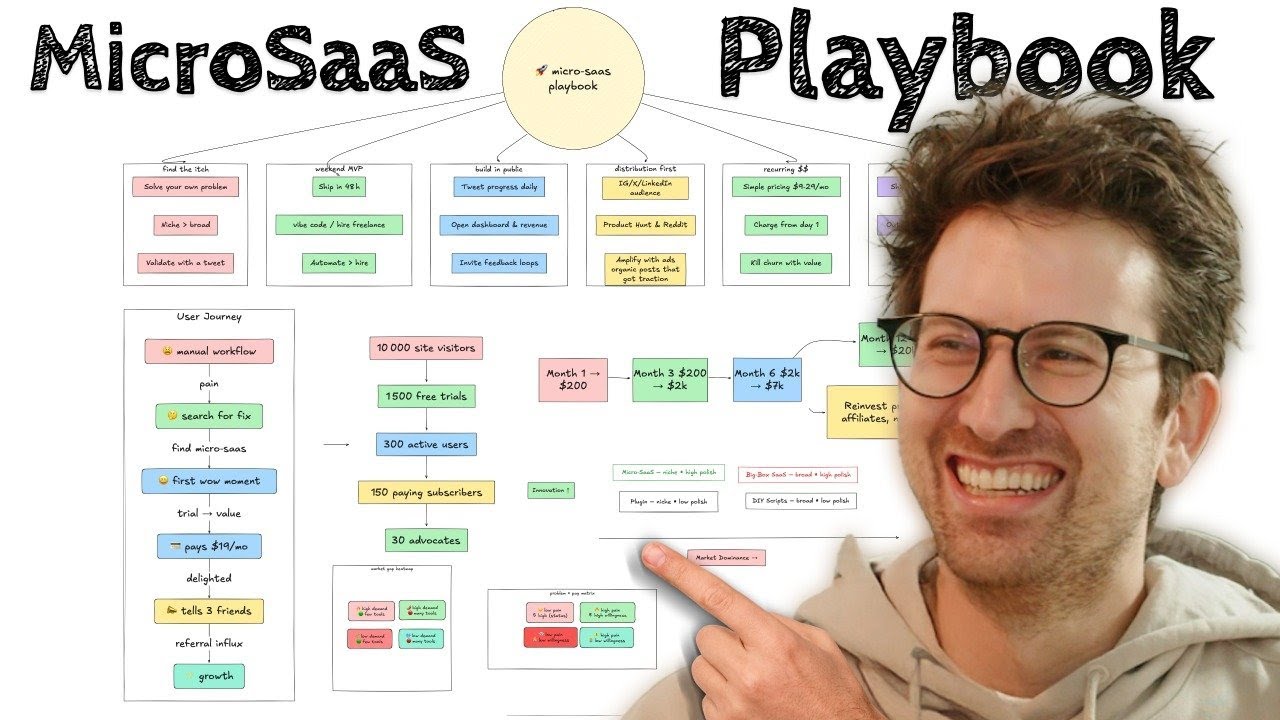
Identifying and Targeting Narrow Audiences
Success hinges on defining your audience with precision. Go where they congregate. Listen in forums and communities.
Their complaints reveal everything. This process turns a broad market into a specific, addressable group of users.
The biggest opportunities lie in the gaps that large companies overlook as being too small.
We recommend a three-pronged approach to uncovering these opportunities. Each method provides a different lens for finding a profitable niche.
| Method | Core Action | Primary Outcome |
|---|---|---|
| Personal Experience | Analyze your own workflow frustrations | Authentic, deeply understood problem |
| Audience Research | Listen to niche community discussions | Clear view of unmet needs and language |
| Competitive Gap Analysis | Study reviews of existing tools | Identification of overlooked features |
Examples of Successful Niche SaaS Models
Real-world examples prove the model’s power. Consider a musician building a simple, user-friendly tuner app. It addresses the complexity of existing options.
Another clear example is a booking system designed specifically for photographers. It accounts for the crucial post-shoot processing time that generic schedulers ignore.
These businesses succeed by solving hyper-specific problems. They speak directly to a workflow that broader tools miss entirely. This focus creates a strong, defensible market position.
Starting Your Micro-SaaS Business with a $0 Investment
Building a sustainable software business begins with proving market demand, not writing complex code. We advocate for a validation-first approach that eliminates financial risk while maximizing learning.
Low-Cost Strategies and No-Code/MVP Approaches
Modern development tools have revolutionized startup creation. No-code platforms like Bubble and Webflow enable functional MVP development without technical expertise.
Your initial product should address only the most critical pain point. This focused approach keeps costs minimal while delivering immediate value.
| Method | Key Advantage | Typical Cost |
|---|---|---|
| Traditional Coding | Full customization and control | High (developer fees) |
| No-Code Platforms | Rapid deployment without technical skills | Free to low-cost tiers |
| Hybrid Approach | Balances speed with customization | Minimal initial investment |
Validating Your Idea Before Scaling
Create a simple landing page explaining your solution’s core value. Drive targeted traffic using a small advertising budget.
Zero signups indicate messaging or concept issues. This feedback is invaluable before committing to full development.
We emphasize the lean methodology: build minimal features, gather user feedback, and iterate based on real data. Scale only after proving payment willingness.
Vertical SaaS: Tailored Tools for Specific Industries
We see the highest success rates in ventures that abandon horizontal markets for deep vertical focus. This approach, known as Vertical SaaS, involves building a solution for the unique needs of a single industry. Instead of a generic project management tool, you create “Project Management for Residential Architects.
The power here is undeniable. You are not competing with giants on features. You are building a tool that speaks your customer’s exact language and solves their unique, industry-specific problems.
Benefits of Focusing on Industry-Specific Needs
The competitive advantage is massive. You become the undisputed expert for a niche that larger companies overlook. Your marketing becomes hyper-targeted and dramatically more cost-effective.
Industry-specific needs create natural differentiation. A CRM for landscapers includes features like seasonal job tracking. Generic CRMs lack this, making your solution immediately more valuable.
This specificity commands higher prices. Customers pay premium rates for tools that deliver clear ROI on their exact problems. The path to market leadership is clearer and more defensible.
Case Examples from Various Verticals
Real-world examples prove the model’s strength. Consider a project management tool for event planners. It includes built-in vendor tracking and guest list management.
Other successful businesses include inventory systems for craft breweries. They track specific items like hops and kegs. Booking platforms for music rehearsal spaces are another powerful example.
These tools succeed by solving hyper-specific workflow problems. They become essential for their vertical, creating strong, loyal customer bases.
AI-Powered Micro-SaaS Innovations for 2025
The next wave of software innovation is shifting from general platforms to intelligent, specialized assistants. We believe the greatest opportunity lies in applying artificial intelligence to solve precise, measurable problems for niche audiences. This is not about creating another chatbot; it’s about building a smart product that delivers immediate, undeniable value.
Integrating AI to Enhance Functionality
Successful integration means AI becomes a core feature, not a gimmick. The goal is to enhance your tools with capabilities that were previously too costly or complex to build. Think of AI as an expert employee baked directly into your solutions.
This requires thoughtful design. You must train models on industry-specific data and deeply integrate them into user workflows. The result is a product that feels uniquely tailored to your customers‘ needs.

Real-World AI Use Cases in Micro-SaaS
Consider an AI tool that repurposes long-form content into social posts and video scripts. It solves a real pain point for marketing teams. Another powerful example is a niche-specific writer for real estate listings.
These applications provide clear ROI. An eCommerce chatbot that answers order status questions saves countless support hours. AI personalization engines give small stores Amazon-level capabilities.
The most successful applications automate expensive manual processes. Visual inspection AI for construction or agriculture commands premium subscriptions because the value is instantly measurable.
| Application Type | Core Problem Solved | Target Audience |
|---|---|---|
| Content Automation | Scaling content marketing efforts | Marketing teams, solo creators |
| Niche-Specific Writing | Generating industry-accurate text | Real estate agents, legal professionals |
| eCommerce Support | Reducing customer service load | Online store owners |
| Visual Analysis | Automating manual inspection tasks | Construction firms, agricultural businesses |
Leveraging WordPress and Elementor for Micro-SaaS
Your marketing website is not a secondary project; it is your primary sales engine. We see founders make a critical error by treating it as an afterthought. A flawless product cannot overcome a confusing or unprofessional storefront.
This site must explain your value, capture leads, and process payments. It is your 24/7 sales team. Even a custom-coded application needs this world-class presentation layer to succeed.
Building Professional Marketing Sites
WordPress with Elementor provides a decisive advantage. The visual, drag-and-drop builder creates pixel-perfect landing pages without coding. This accelerates your time-to-market dramatically.
AI features within the platform help write and refine marketing copy. You get a professional result without hiring a dedicated copywriter. The strategic benefit is clear resource allocation.
Your marketing site is your storefront, salesperson, and checkout counter combined. Its quality directly dictates your success.
Using established tools for your marketing site keeps backend developers focused on the core product. They are not pulled away to build landing pages. This separation of concerns is vital for efficiency.
Streamlining Development with Established Tools
This approach also unlocks a powerful business model: Website as a Service (WaaS). You build a complete, subscription-based website solution for a specific niche.
Use Elementor Pro and Theme Builder to design a master template for plumbers or law firms. Handle recurring billing seamlessly with WooCommerce. Manage all client sites from a single dashboard.
| Development Method | Primary Strength | Impact on Team Focus |
|---|---|---|
| Custom-Coded Site | Total control and customization | Diverts core product developers |
| WordPress & Elementor | Rapid deployment and ease of use | Frees developers for core features |
| WaaS Model | Creates a recurring revenue stream | Leverages a scalable template system |
Acquiring a new customer becomes incredibly efficient. Spin up a new site, import your master template, and customize the content. You can go live in hours, not weeks.
Recurring Revenue Models That Drive Success
The subscription model represents a fundamental shift from transactional sales to relationship-based revenue. We define this approach as the core of the saas business model—providing ongoing value that creates predictable, compounding income.
Understanding Subscription Pricing Strategies
Effective pricing varies dramatically based on value delivered. Simple tools for freelancers might command $15 monthly, while specialized automation justifies $49-149. High-value B2B solutions can reach $199-999 per month.
The psychology behind pricing matters immensely. Even modest subscriptions generate substantial lifetime value when customers stay engaged. This approach transforms your revenue structure from unpredictable spikes to steady streams.
| Product Type | Typical Monthly Price | Target Customer Lifetime Value |
|---|---|---|
| Freelancer CRM | $15 | $360 (24 months) |
| AI Bookkeeping Automation | $49-$149 | $1,200-$3,600 |
| Smart Contract Auditing | $199-$999 | $4,800-$24,000 |
Creating Predictable, Steady Income Streams
Predictable income enables confident business planning. You can invest in product development and customer support without facing feast-or-famine cycles. This stability is crucial for sustainable growth.
The most successful founders focus obsessively on retention. Keeping existing customers is dramatically more profitable than constantly replacing those who leave. This approach to sales and management creates a virtuous cycle of improvement.
Hybrid models combining subscriptions with transaction fees align your success with customer outcomes. This creates win-win economics that drive long-term recurring revenue. For more detailed strategies, explore our guide on profitable subscription models.
Building a Solid Business Model Around Micro-SaaS
A durable micro saas venture rests on a business model engineered for focus, not frenzy. We reject the myth that success requires massive scale. Instead, we build for sustainable profitability within a well-defined niche.
This approach delivers powerful economic advantages. Lower costs and a small team mean you can reach profitability quickly. Faster time-to-market allows for rapid validation and iteration.
Key Components of a Successful SaaS Strategy
The foundation is a crystal-clear value proposition. Your product must solve one or two problems exceptionally well. Resist the temptation to add unnecessary features.
This focus creates immense value for a specific audience. It also simplifies development and support. You become the expert in a narrow domain.

Community engagement is your strategic moat. A small, loyal user base provides vital feedback. They become evangelists for your solution.
Balancing Simplicity with Scalability
Your initial version should be simple and functional. However, the underlying architecture must support growth. Plan for scalability from the very beginning.
Use cloud infrastructure that can expand with your user base. Implement systems for monitoring and management. This foresight prevents costly rebuilds later.
| Strategic Element | Operational Focus | Long-Term Impact |
|---|---|---|
| Niche Dominance | Solving specific problems for a narrow audience | Creates a defensible market position and loyal customers |
| Lean Operations | Minimal overhead and a small, agile team | Enables rapid profitability and efficient resource use |
| Scalable Architecture | Building with future growth in mind from day one | Prevents technical debt and allows for smooth expansion |
The subscription model is perfectly suited for this business. It creates predictable revenue that supports ongoing development. This aligns your success with customer success.
Integrations and Automation: Enhancing Your Product
Integration capability has become the defining feature that separates useful tools from indispensable ones in today’s workflow landscape. We see adoption rates triple when users can connect new solutions to their existing platform ecosystem.
This approach eliminates the friction of learning entirely new systems. Your product becomes an enhancement rather than a replacement.
Using APIs to Connect with Other Tools
API connectivity transforms standalone applications into ecosystem players. A social media scheduler that pulls content from Google Docs demonstrates this power perfectly.
Well-documented APIs from major platforms make this accessible. Even solo founders can build sophisticated connections without deep technical expertise.
Automating Tasks for Greater Efficiency
Automation delivers the core value proposition for many successful ventures. It addresses the repetitive tasks that consume valuable time.
Consider abandoned cart email reminders or automated accounting reconciliation. These features save hours of manual work each week.
The most successful integrations feel like natural extensions of existing workflows, not additional applications to manage.
We recommend identifying time-consuming processes in your target niche. Build automation that eliminates them entirely.
| Integration Type | Adoption Speed Increase | User Retention Boost |
|---|---|---|
| Slack/Teams Connectivity | 68% faster | 42% higher |
| Shopify/E-commerce APIs | 72% faster | 51% higher |
| CRM System Sync | 59% faster | 38% higher |
This strategic approach justifies premium pricing. Users willingly pay for tools that deliver measurable time savings.
Marketing Strategies to Propel Your Micro-SaaS
Effective marketing for specialized tools requires a surgical approach, not a broad-stroke campaign. We reject the spray-and-pray methodology that drains budgets without delivering qualified leads. Your strategy must mirror your product’s focus: narrow, deep, and highly relevant.
This precision fundamentally changes the economics of customer acquisition. Instead of competing for expensive generic keywords, you target hyper-specific audience segments.
Targeting Niche Markets Effectively
Your marketing website remains the most critical sales asset. It must be professional, fast, and crystal clear. Every element should guide visitors toward a signup decision.
We advocate for going where your audience already congregates. Industry forums and LinkedIn groups provide fertile ground for engagement. Your message resonates immediately because it speaks their exact language.
Utilizing Digital Marketing and Content
Content marketing delivers outsized returns for focused ventures. Case studies showing real ROI establish authority and drive organic traffic. Tutorials addressing specific workflow problems attract your ideal users.
Small, targeted ad campaigns provide crucial validation. A $100 test on LinkedIn targeting a specific profession tests messaging efficiently. This data-driven approach eliminates guesswork.
We emphasize these core strategic actions:
- Create landing pages that articulate the pain point and present your product as the obvious solution.
- Develop content that demonstrates tangible value for your niche users.
- Track which channels drive qualified leads and double down on what works.
Digital marketing for your business should be measurement-obsessed. Ruthlessly cut ineffective tactics while scaling proven channels.
Real-World Examples and Case Studies
The proof of concept lies not in theoretical frameworks but in tangible results achieved by real entrepreneurs. We see compelling evidence that validates the entire approach.
Inspiring Success Stories from Micro-SaaS Founders
Botkeeper demonstrates remarkable scale, automating accounting for over 2,000 small businesses. This proves that focused automation tools can dominate traditional industries.
Numerous founders consistently report $5K-50K+ monthly recurring revenue. They achieve this as solo operators or with tiny teams. This financial performance validates the model completely.
Successful saas products span incredibly diverse niches. They include browser extensions for keyword research and testimonial management apps. Each solution addresses specific problems for defined audiences.

Lessons Learned and Best Practices
The most effective teams deliver functional products in under a month using no-code tools. They test with real users immediately and iterate based on actual behavior.
We identified critical best practices for sustainable business growth. Start smaller than you think necessary. Obsess over one core feature until it’s exceptional.
Build for a niche you personally understand. Prioritize revenue generation over feature expansion in early stages. This approach creates loyal customers and lasting success.
Overcoming Common Challenges in Micro-SaaS Launches
Many founders stumble not on complex technical problems, but on fundamental validation and execution hurdles. We see the same patterns repeatedly. Anticipating these challenges is the first step toward navigating them successfully.
Avoiding these pitfalls separates successful ventures from costly experiments. A strategic approach turns potential roadblocks into manageable steps.
Validating Your Idea and Managing Risks
The biggest error is building a full product before confirming demand. Entrepreneurs often waste months developing solutions nobody wants.
The remedy is simple yet powerful. Create a basic landing page explaining your core value. Run a small, targeted ad campaign to gauge interest.
Zero signups provide crucial data. It may indicate poor messaging, wrong audience targeting, or a weak pain point. This feedback is invaluable before significant development time is invested.
True market validation requires concrete proof. You need evidence that the problem is real, current solutions are inadequate, and a profitable audience exists.
| Validation Outcome | Likely Interpretation | Recommended Action |
|---|---|---|
| High Signup Interest | Strong product-market fit potential | Proceed with focused MVP development |
| Low Traffic, No Signups | Ineffective targeting or messaging | Refine audience focus and value proposition |
| Good Traffic, No Signups | Value proposition is unclear or weak | Clarify messaging and demonstrate stronger ROI |
Tackling Development and Marketing Hurdles
No-code tools offer a double-edged sword. They enable rapid, low-cost launches. However, long-term platform limitations can hinder growth and custom functionality.
Scope creep is a major development hurdle. We recommend a ruthless focus on a single, high-value feature for your MVP. Let real user feedback guide future additions.
Marketing challenges often involve audience discovery. Success comes from dominating one niche community first. Build case studies and testimonials before expanding your reach.
This focused approach efficiently connects your business with the right users. It builds a solid foundation for scalable growth.
Ensuring Scalability and Long-Term Viability
Architectural foresight separates temporary successes from enduring businesses in the competitive software landscape. We believe sustainable growth demands more than just a successful launch.
The most common failure point occurs when initial traction meets technical limitations. Your foundation must support expansion without costly rebuilds.
Planning for Growth Beyond the MVP
Your initial product should be simple, but its infrastructure must anticipate scale. Cloud services that auto-scale prevent performance bottlenecks as your user base grows.
Feature expansion requires disciplined prioritization. Analyze user behavior to identify which capabilities genuinely increase retention. Avoid assumption-based development.
| Approach | Technical Foundation | Growth Capacity |
|---|---|---|
| Quick Launch | Minimal architecture, rapid deployment | Limited to initial user volume |
| Scalable Foundation | Cloud-native, modular design | Handles 10x growth seamlessly |
| Enterprise Ready | Robust monitoring, failover systems | Unlimited scaling with redundancy |
Team scaling presents unique challenges. Many founders operate successfully with tiny teams for extended periods. Plan hiring sequences carefully—customer support first, then strategic roles.
Platform decisions impact long-term viability. Choose established technologies over unproven options. This reduces technical debt and ensures available expertise when needed.
Conclusion
We’ve reached an inflection point where solo founders can compete effectively against established players through strategic niche selection. The roadmap is clear: identify specific problems, validate demand rigorously, and build focused solutions.
The market conditions support this approach completely. Global industry growth creates fertile ground for specialized tools. Solo operators consistently achieve significant monthly recurring revenue by mastering their domains.
Your next steps demand disciplined execution. Choose an idea aligned with your expertise. Test it with minimal investment before committing to full development. The barriers have never been lower.
We’re confident that entrepreneurs who embrace this focused, validation-driven approach will capture substantial opportunities. The question isn’t whether viable paths exist, but whether you’ll take the first step toward building your profitable venture.
FAQ
What exactly is a Micro-SaaS business?
A Micro-SaaS is a small, focused software product that solves one specific problem for a narrow audience. We see it as a lean operation, often run by a small team or solo founder, that prioritizes recurring revenue and deep customer value over massive scale. It’s about building a sustainable tool, not a unicorn.
Can I really start a SaaS product with no initial capital?
Absolutely. We advocate for a $0-start approach using no-code platforms, free trials of development tools, and an MVP (Minimum Viable Product) strategy. The key is validating your product idea with a simple version before investing significant money. Tools like Bubble or Carrd make this possible.
How do I find a profitable niche for my tool?
Look for underserved audiences within larger markets. We recommend identifying repetitive, manual tasks that professionals complain about online. Scour forums like Indie Hackers or specific subreddits. The best niches have a clear pain point and a group willing to pay for a streamlined solution.
Why is recurring revenue so critical for these businesses?
Recurring revenue, typically from subscriptions, creates predictability. It transforms your project from a one-time sale into a sustainable business. This model allows for better planning, continuous product improvement, and builds a stable foundation for long-term growth.
What’s the biggest challenge when launching a new software product?
Beyond development, the primary hurdle is effective marketing and user acquisition. Many builders focus solely on the product. We stress that identifying your target audience and crafting a clear value proposition from day one is non-negotiable for traction.
How important are integrations with other platforms?
Integrations are a powerful growth lever. Connecting your tool to established platforms like Slack, Google Workspace, or Shopify dramatically increases its utility and value. It reduces friction for new users and embeds your product into their existing workflow.
What role will AI play in Micro-SaaS development in 2025?
AI will be a core differentiator. We see it automating complex tasks, providing predictive analytics, and delivering personalized user experiences. Integrating AI can help a small product compete with larger solutions by offering superior automation and insights.
-start approach using no-code platforms, free trials of development tools, and an MVP (Minimum Viable Product) strategy. The key is validating your product idea with a simple version before investing significant money. Tools like Bubble or Carrd make this possible.
How do I find a profitable niche for my tool?
Look for underserved audiences within larger markets. We recommend identifying repetitive, manual tasks that professionals complain about online. Scour forums like Indie Hackers or specific subreddits. The best niches have a clear pain point and a group willing to pay for a streamlined solution.
Why is recurring revenue so critical for these businesses?
Recurring revenue, typically from subscriptions, creates predictability. It transforms your project from a one-time sale into a sustainable business. This model allows for better planning, continuous product improvement, and builds a stable foundation for long-term growth.
What’s the biggest challenge when launching a new software product?
Beyond development, the primary hurdle is effective marketing and user acquisition. Many builders focus solely on the product. We stress that identifying your target audience and crafting a clear value proposition from day one is non-negotiable for traction.
How important are integrations with other platforms?
Integrations are a powerful growth lever. Connecting your tool to established platforms like Slack, Google Workspace, or Shopify dramatically increases its utility and value. It reduces friction for new users and embeds your product into their existing workflow.
What role will AI play in Micro-SaaS development in 2025?
AI will be a core differentiator. We see it automating complex tasks, providing predictive analytics, and delivering personalized user experiences. Integrating AI can help a small product compete with larger solutions by offering superior automation and insights.