
We’ve analyzed dozens of viral marketing examples that transformed unknown startups into household names. This guide breaks down exactly what made them work.
This isn’t theoretical fluff. We’re diving into real campaigns with measurable results, concrete data, and strategies you can apply to your business today.
From bootstrapped startups to established brands that reinvented their approach, these examples prove that virality isn’t purely luck. It’s engineered through smart strategy, audience understanding, and precise execution.
We’ll show you how brands leveraged social media, video content, humor, and emotional triggers to achieve exponential growth. They often did this without requiring massive budgets.
Whether you’re launching a new product or trying to break through market noise, these case studies provide the blueprint. They show how to create campaigns that capture attention and drive measurable success.
Key Takeaways
- Virality is a result of deliberate strategy, not just chance.
- Understanding your target audience is the foundation of any successful campaign.
- Emotional triggers and shareable content are powerful drivers of growth.
- Effective marketing can achieve significant results even with limited budgets.
- Data-driven insights from real-world examples provide actionable tactics.
- A clear, focused message is critical for cutting through market noise.
Understanding the Viral Marketing Phenomenon
At its core, a viral campaign represents a fundamental shift in how content gains traction. It’s not just about views; it’s about exponential sharing. This organic spread creates awareness that paid advertising simply cannot match.
We must be pragmatic. True virality is rarely a guaranteed outcome. But over the years, clear patterns have emerged from successful campaigns. Certain psychological triggers and content formats consistently outperform others.
Overview of Viral Trends
Current trends show a powerful move toward authenticity. People now share what feels real and relatable, not what looks expensive. Platform-specific, native content formats drive this new wave of sharing.
Understanding these mechanics is crucial. Shareability must be designed into the content from the very beginning. Successful brands build campaigns with distribution mechanisms embedded, making the act of sharing almost effortless.
Why Virality Matters for Startups
For new brands, a well-executed campaign is the ultimate growth hack. It can generate millions in equivalent media value without a corresponding ad spend. This levels the playing field against established competitors.
What was once seen as a random fluke has evolved. Today, we can approach these initiatives systematically. They are informed by data, audience insights, and proven psychological principles that dramatically improve the odds of success.
The Secrets Behind Campaigns That Go Viral
What separates fleeting attention from sustained momentum comes down to three foundational elements working in concert. We’ve identified the core drivers that transform ordinary content into cultural phenomena capable of going viral.
Slogans, Humor, and Timeliness
Memorable slogans create mental anchors that persist long after the campaign ends. They transform complex messages into simple, repeatable phrases your audience can easily share.
Humor serves as powerful social currency. People instinctively share content that made them laugh, wanting to spread positive emotions within their networks.
Timing determines whether a campaign catches fire or fizzles out. Aligning with cultural moments or trending topics provides built-in momentum rather than fighting for attention from scratch.
Emotional and Psychological Triggers
The most shareable content taps into universal emotional responses. Joy, surprise, and inspiration consistently drive higher engagement rates across platforms.
Effective strategy understands that people share to enhance their social identity. Your campaign must serve this psychological need by making sharers appear informed, compassionate, or entertaining.
Catchy elements—from jingles to visual hooks—create the mental stickiness that transforms passive viewers into active promoters. This voluntary distribution system is the engine behind organic reach.
In-Depth Look at Viral Marketing Examples
Moving beyond theory, we now dissect actual initiatives that generated exponential growth for diverse organizations. These aren’t hypothetical scenarios; they’re documented cases with measurable business outcomes.
Real-World Success Stories
We examined campaigns across multiple industries—from consumer goods to B2B services. Each demonstrates how strategic content can achieve remarkable reach. The common thread? They delivered tangible results beyond vanity metrics.
One consumer brand saw a 300% sales increase after their humorous video took off. A B2B company generated thousands of qualified leads through a clever social media initiative. These outcomes prove the power of well-executed content.
Key Strategies Behind Each Example
The winning approach always starts with deep audience understanding. Successful campaigns don’t guess what people want—they know it. They build distribution mechanisms directly into the content design.
Clear value propositions make sharing feel natural rather than forced. The best initiatives create content that serves the sharer’s social identity. This psychological insight separates fleeting attention from sustained momentum.
We found that iteration often separates good campaigns from great ones. Many successful brands tested multiple approaches before finding the formula that resonated. This data-driven refinement process is crucial for replicating their achievement.
Case Study: Nike and the “Just Do It” Legacy
Few corporate slogans have achieved the cultural penetration and longevity of Nike’s three-word powerhouse that launched in 1987. This campaign represents a masterclass in building brand identity through consistent, emotionally resonant messaging.
Brand Messaging That Resonates
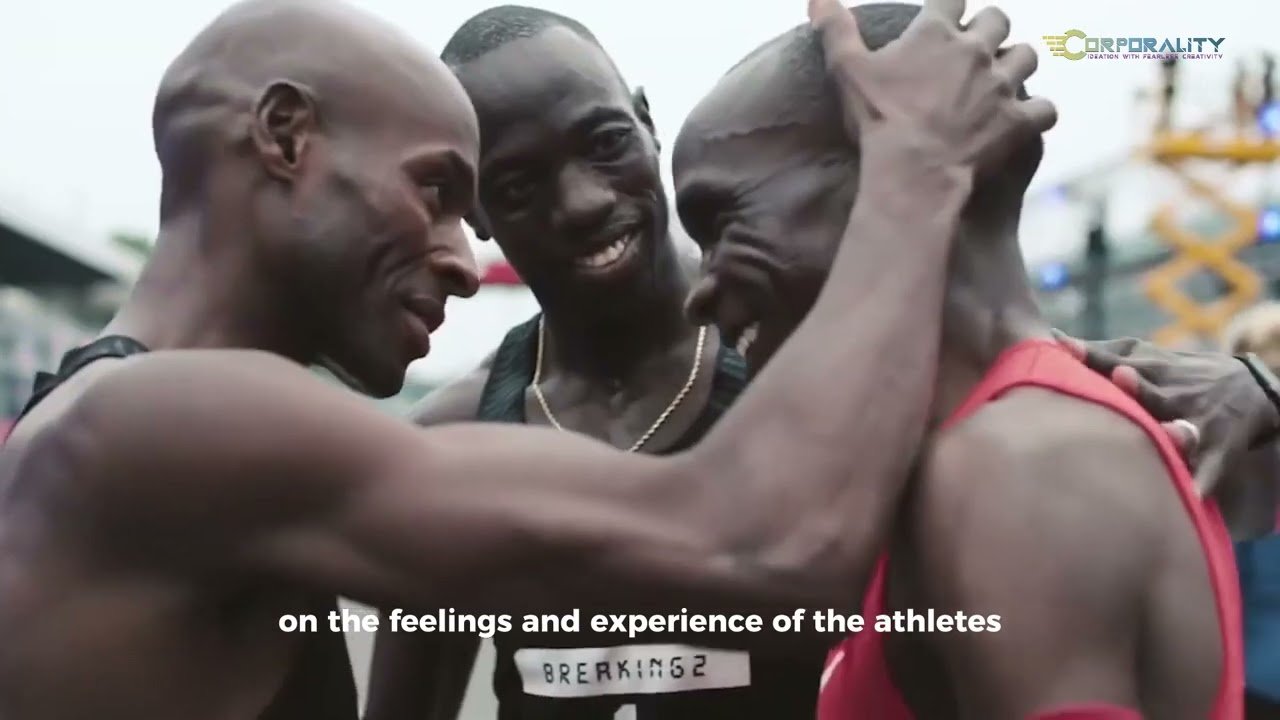
The genius of Nike’s approach lies in the slogan’s universal applicability. “Just Do It” allows individuals to project their personal challenges onto the message. This transforms the brand from athletic apparel to motivational philosophy.
Over the years, Nike has systematically built upon this foundation. Their video content celebrates achievement and perseverance across diverse audiences. The “Dream Crazier” campaign generated millions of views by highlighting women athletes who broke barriers.
Data confirms Nike’s audience alignment works. Consumers who buy their products are 16% more likely to say women’s sports are exciting to watch. This validates their strategic focus on women’s athletics.
| Campaign | Year | Focus | Impact |
|---|---|---|---|
| Just Do It Launch | 1987 | Universal Motivation | Global Brand Recognition |
| Dream Crazier | 2019 | Women Athletes | Millions of Views |
| What The Football | 2023 | Women’s World Cup | Cultural Moment |
Nike demonstrates how sustained messaging creates lasting brand value worldwide. Their approach proves that emotional resonance drives deeper consumer connections than temporary trends.
Case Study: Snickers, Manscaped, and Brand Humor
When brands master the art of humor, they unlock organic distribution channels that paid media cannot replicate. We see this demonstrated powerfully in two distinct product categories that faced unique communication challenges.
Using Comedy to Enhance Shareability
Manscaped tackled a traditionally awkward subject with brilliant comedic execution. Their approach transformed potential embarrassment into entertainment value that people actually wanted to share.
The brand’s Lawn Mower 4.0 campaign succeeded because it prioritized laughter over product specifications. This strategy made their content inherently shareable across social media platforms.
Snickers built an entire ecosystem around their “You’re Not You When You’re Hungry” slogan. Their consistent humorous approach created memorable moments that resonated across demographics.
Food brands like Snickers face intense competition for consumer attention. Comedy creates the mental availability that drives purchase decisions when people encounter the product in stores.
| Brand | Humor Approach | Target Challenge | Shareability Driver |
|---|---|---|---|
| Manscaped | Taboo subject normalization | Awkward product category | Relief through laughter |
| Snickers | Slogan-based character transformation | Food category saturation | Relatable hunger scenarios |
Both campaigns prove that strategic humor generates exponential reach. When people find an advert genuinely funny, they become voluntary brand ambassadors across their networks.
The Power of Social Media and Hashtag Campaigns
Hashtag initiatives demonstrate how simple participation mechanics can generate massive organic reach. We’ve seen platforms transform from broadcast channels to interactive communities where user-generated content drives unprecedented scale.
Leveraging UGC and Hashtags on TikTok & Twitter
Coca-Cola’s “Share a Coke” campaign pioneered personalization at scale. It encouraged people to share images of personalized bottles, creating organic reach that dwarfed traditional media investments.
Platform-specific strategies matter enormously. Chipotle’s “Lid Flip Challenge” generated over 100,000 TikTok videos in one week because it was designed for that app’s unique format and audience behavior.
Apple’s #ShotOniPhone campaign turned customers into creative teams. Millions of users became content creators, with the best images featured on billboards worldwide. This approach builds authentic community engagement.
Beauty brands targeting women particularly thrive on social platforms. e.l.f. Cosmetics achieved 9 billion views in six days by understanding platform mechanics and audience psychology.
These campaigns prove that when brands empower their community, they create marketing at scales previously unimaginable. The key lies in designing participation, not just promotion.
Leveraging Super Bowl and Event-Driven Virality
Major sporting events create unique opportunities for brands to capture massive attention. The Super Bowl represents the pinnacle of event-driven marketing campaigns where timing becomes everything.
Capitalizing on Timely, High-Impact Moments
We’ve observed that real-time responsiveness often outperforms meticulously planned campaigns. Oreo’s legendary “Dunk in the Dark” tweet during the 2013 Super Bowl power outage demonstrates this perfectly.
The campaign went viral instantly with minimal cost. It capitalized on an unexpected moment with perfect timing and relevant messaging. This proves agility trumps budget in event-driven scenarios.
Volkswagen’s “The Force” advert achieved nearly 100 million views. It became the most shared Super Bowl commercial ever by combining nostalgia and emotional storytelling.
Food and beverage brands naturally dominate these marketing campaigns. Game-watching involves snacking, making these products contextually relevant. This drives immediate purchase consideration alongside viral sharing.
| Brand | Campaign | Key Moment | Views/Impact |
|---|---|---|---|
| Oreo | Dunk in the Dark | 2013 Power Outage | Thousands of shares |
| Volkswagen | The Force | Super Bowl commercial | ~100 million views |
| Budweiser | Responsible Drinking | Emotional ad placement | Widespread recognition |
| Friskies | Dear Kitten | Cat food brand boost | Over 4 million views |
The brilliance of event-driven virality lies in hijacking existing attention. When millions focus on an event, clever creative means you’re riding an attention wave.
Brands must have systems ready to respond in real-time. Viral moments during major events have extremely short windows of opportunity. Preparation meets opportunity in these high-stakes media environments.
Creative Video Campaigns That Captivate Audiences
We’ve identified a clear pattern among high-performing video initiatives: storytelling quality consistently outperforms production budget in driving organic distribution. The most successful campaigns achieve millions of views through strategic narrative design rather than expensive production values.

Storytelling Through Engaging Visuals
Campaigns like “Dumb Ways to Die” proved that compelling narratives drive results. This rail safety video achieved over 270 million views and contributed to a 21% decrease in accidents.
Emotional storytelling creates lasting impact. Dove’s “Real Beauty Sketches” became one of the most-watched ads ever by focusing on authentic human experiences rather than product features.
Multi-Platform Video Successes
Distribution across multiple channels is non-negotiable. Successful campaigns appear in over 30 languages and adapt to different platform formats.
The ALS Ice Bucket Challenge demonstrated cross-platform power. It raised $220 million across 150 countries by making participation simple and meaningful everywhere.
| Campaign | Views | Platforms | Key Result |
|---|---|---|---|
| Dumb Ways to Die | 270+ million | YouTube, Social Media | 21% accident reduction |
| Dove Real Beauty Sketches | 100+ million | 30+ languages | Most-watched ad |
| ALS Ice Bucket Challenge | Global reach | All major platforms | $220 million raised |
| Old Spice “The Man” | 60+ million | YouTube, TV | 100% sales increase |
These examples prove that audience connection matters more than production scale. When content resonates emotionally, people become voluntary distributors across their networks.
Data-Driven Insights and Audience-Centric Strategies
The most effective strategies emerge from deep consumer understanding, not creative guesswork. We’ve moved beyond hoping campaigns will resonate to knowing they will through quantifiable audience data.
Understanding Consumer Behavior Through Metrics
Consumer insights provide the foundation for remarkable campaigns. When data shows 44% of sports fans want more women’s sports coverage, brands can confidently invest in women’s athletics marketing.
Research reveals surprising connections that inform strategy. Discovering that 3 in 10 HR and finance professionals like rock music enabled targeted Super Bowl ads featuring rock stars.
Female audience insights drive entire marketing approaches. With 40% of women researching healthcare products online, companies design campaigns knowing their audience engages through these channels.
| Consumer Segment | Key Insight | Percentage | Strategic Implication |
|---|---|---|---|
| Sports Fans | Want more women’s sports coverage | 44% | Invest in women’s athletics marketing |
| Women Health Consumers | Research healthcare products online | 40% | Create digital-first health campaigns |
| Netflix Users | Expect customized products | 31% | Implement personalization strategies |
| HR/Finance Professionals | Prefer rock music | 30% | Use music targeting in B2B campaigns |
The most successful companies build audience-centric strategies by involving cross-functional teams. Marketers, data analysts, and creative people ensure insights inform every part of campaign development.
Smart brands recognize that women often drive purchasing decisions across categories. Understanding that people research extensively before purchases allows marketers to create content that supports decision-making.
Harnessing Consumer Insights for Unforgettable Campaigns
True campaign intelligence emerges when consumer data guides creative execution. We’ve observed that integrating research into strategy produces initiatives that feel intuitive to audiences.

Integrating Research and Innovation
Orange France’s deepfake campaign succeeded by aligning with two powerful trends. It tapped into sports fans wanting more women’s coverage and consumer excitement about AI development.
Health-focused companies like Flo Health revolutionized their approach. They recognized that 40% of women research health issues online, making app-based stories the perfect delivery method.
Entertainment marketing now uses micro-targeting based on psychographic data. Barbie’s strategy identified that highlighter wearers were 118% more likely to watch the film.
Creative Approaches Based on Data
Platform selection should be data-driven, not assumption-based. Hilton created a 10-minute TikTok because research showed 44% of their potential customers use the platform monthly.
Consumer insights can challenge and correct brand positioning. Tinder’s data revealed that 31% of Gen Z users seek long-term relationships, enabling a repositioning campaign.
Cross-category opportunities emerge from consumer research. Arsenal discovered that 36% of their fans are interested in fashion, opening new revenue streams.
The most effective way to use consumer insights is embedding them throughout development. This ensures every decision aligns with documented audience behavior.
Startups Turning Viral into Explosive Growth
Emerging companies achieve explosive growth through viral campaigns that capture public imagination. We’ve documented how they bypass massive budgets required for traditional market penetration.
Tony’s Chocolonely’s success demonstrates this powerfully. The company became one of Britain’s fastest-growing brands relying exclusively on word-of-mouth before recently using paid media.
Case Studies of Emerging Brands
Their audience discovery patterns reveal why organic strategies work. 36% of Tony’s fans find new brands through word-of-mouth—12% higher than average consumers.
Startups going viral often identify underserved audiences. When your product naturally encourages sharing, customers become voluntary marketers. This generates millions in equivalent media value.
Netflix’s Streamberry campaign shows how established companies can create startup-like moments. Allowing users to upload photos for billboard placement tapped into a key insight: 42% of their audience wants to feel valued by brands.
| Startup Advantage | Established Brand Challenge | Impact Metric | Time Factor |
|---|---|---|---|
| Agile decision-making | Multiple approval layers | Response time: hours vs weeks | Cultural moment capture |
| Authentic storytelling | Polished advertising | Trust levels: +31% higher | Year-round relevance |
| Community-driven growth | Paid media dependence | Organic reach: 3.2x higher | Sustained momentum |
The most successful emerging brands treat their first viral campaign as a launchpad. They use initial success to build community and fund subsequent marketing campaigns that compound growth year over year.
“Our customers became our best sales team—they shared our mission more authentically than any advertisement could.”
Converting viral moments into sustained business growth requires preparation. Companies must handle sudden demand spikes and maintain momentum after initial virality fades. This strategic approach separates fleeting attention from world-changing success.
Innovative Approaches for Low-Budget Campaigns
Financial limitations frequently spark the innovation that leads to breakthrough campaign performance. We’ve documented how constraints force teams to focus on what truly moves audiences rather than what looks expensive.
Clever Tactics Without a Massive Spend
Oreo’s legendary “Dunk in the Dark” tweet proves timing trumps budget. During the 2013 Super Bowl blackout, their team created instant cultural relevance with zero production costs.
User-generated content eliminates creative expenses entirely. Red Bull’s #PutACanOnIt campaign was 100% organic, turning customers into the creative team. This approach demonstrates powerful low-budget marketing potential.
The ALS Ice Bucket Challenge built sharing directly into its design. The nomination system created exponential growth through participation requirements. Every participant became a marketer for the cause.
Manscaped achieved viral success through clever humor around taboo subjects. Their company focused on shareability over production quality. This proves that writing beats budget in many scenarios.
Data-driven personalization doesn’t require massive investment. Monzo used first-party customer data for localized billboards that felt personally relevant. Their team generated significant social sharing without expensive agency retainers.
These examples show that when you can’t outspend competitors, you must outthink them. The most cost-effective way to achieve impact focuses on distribution strategy as much as creative execution.
Emerging Trends in Viral Marketing and Future Tactics
Tomorrow’s most successful campaigns will leverage technologies that barely exist today. We’re witnessing a fundamental shift in how brands connect with audiences through emerging platforms and artificial intelligence.
Technological Advancements and New Media
AI-powered initiatives like Orange France’s deepfake campaign demonstrate the power of emerging technology. They superimposed men’s faces onto female soccer players, tapping into consumer excitement about AI development.
Short-form video platforms dominate the current landscape. TikTok has become essential for brand visibility. e.l.f. Cosmetics achieved 9 billion views in just six days through platform-specific content strategies.
App-based approaches are evolving beyond simple mobile optimization. Flo Health revolutionized health information delivery through Instagram-style stories rather than traditional articles.
Predictions for the Next Wave of Campaigns
Community empowerment will define the next era. Apple’s #ShotOniPhone campaign featured user-generated images on billboards worldwide. This trend toward co-creation will intensify.
Expect increased personalization through AI and more sophisticated data usage. Long-form content is resurging too—Hilton’s 10-minute TikTok video challenged assumptions about optimal video length.
The future lies in interactive experiences. Augmented reality filters and gamified interactions will dominate as these technologies become more accessible to brands of all sizes.
Conclusion
The journey through these case studies reveals a consistent blueprint for explosive growth. Virality isn’t random luck—it’s engineered through strategic planning and audience insights.
Successful brands share common characteristics. They understand their audiences deeply and create content worth sharing from day one.
Budget size matters less than strategic thinking. Creativity, timing, and emotional resonance drive results across industries.
Let’s get practical: start your next campaign with consumer data. Identify psychological triggers and make sharing effortless for customers.
Not every initiative will achieve viral status. But applying these principles—audience insight and shareability design—improves performance regardless.
Treat virality as a potential outcome of exceptional strategy. Focus on creating remarkable campaigns that serve your customers, and organic growth becomes possible.
FAQ
What makes a social media campaign go viral?
A campaign goes viral when it taps into powerful emotional or psychological triggers, like humor or surprise, and is highly shareable. Timeliness and a clear, resonant message are critical. We see success when content feels authentic and provides value, encouraging the target audience to spread it organically.
Can a startup achieve virality on a small budget?
Absolutely. Many emerging brands use clever, low-cost tactics. They focus on user-generated content, leverage current trends on platforms like TikTok, and create highly relatable stories. The key is understanding your community and crafting a message that sparks genuine conversation without a massive media spend.
How important is video content for a viral strategy?
Video is paramount. Engaging visuals and storytelling capture attention quickly and are easily consumed and shared across multiple platforms. Short-form videos, in particular, drive immense reach and can generate millions of views, making them a cornerstone of modern brand campaigns.
What role do Super Bowl ads play in viral marketing?
While expensive, a Super Bowl advert offers a unique, high-impact moment with a massive built-in audience. The goal is to create a spot so memorable it dominates post-game conversation online and in the media, extending its life far beyond the game and achieving significant shareability.
How can a brand use humor effectively in its campaigns?
Comedy enhances shareability when it’s aligned with the brand’s identity and resonates with the consumer. Brands like Snickers and Manscaped succeed by using wit that feels natural, not forced. The humor must support the core message, making the content enjoyable and memorable for people.
What metrics should we track to measure a campaign’s success?
Focus on data-driven insights beyond just views. Key metrics include engagement rate, shares, sentiment analysis, and conversion rates. Tracking how content travels through a community and influences consumer behavior provides a true picture of ROI and campaign impact.