

Most professionals burn cash on corporate trips without realizing they’re leaving thousands in value untouched. We’re cutting through the noise: strategic loyalty programs deliver measurable ROI on your company’s expenditures.
The data reveals a powerful truth. Savvy travelers convert $1 spent into $10+ in actual travel value. This isn’t about extreme couponing—it’s a legitimate strategy grounded in unit economics.
A $6,000 premium cabin seat might cost just 62,500 miles plus minimal fees. That represents nearly 99% savings for those who understand the mechanics. The system rewards informed players, not those paying retail prices.
This approach makes perfect sense when you examine the numbers. Airlines and hotels built complex loyalty programs banking on the fact that most participants never fully redeem their rewards. We show you how to systematically exploit this opportunity.
Key Takeaways
- Strategic loyalty programs convert spending into significant travel value
- Premium cabin flights can be secured for a fraction of the retail cost
- The system favors those who understand the rules, not just those with big budgets
- This is a repeatable process that doesn’t require excessive time investment
- Corporate travel budgets can be optimized through intelligent point redemption
- The fundamental arbitrage opportunity in loyalty programs remains strong
- Success comes from systematic execution, not complex strategies
Setting the Stage for Luxury and Savings
A single experience with premium cabin travel often ignites the pursuit of smarter redemption strategies. Consider Sanam Ghaneeian’s transformation: after her first lie-flat upgrade through family members’ elite status, she became obsessed with replicating the experience systematically.

The Rise of Travel Hacking in Modern Business
We’ve witnessed this practice evolve from niche forums to mainstream strategy. Credit card issuers now compete aggressively, turning sign-up bonuses into loss leaders that informed professionals exploit.
The fundamental insight separates casual participants from strategic operators. Elite status travelers receive consistent upgrades while others pay full price—this disparity created the entire opportunity.
| Redemption Method | Point Cost | Cash Equivalent | Value Multiplier |
|---|---|---|---|
| Credit Card Portal | 500,000 points | $5,000 | 1:1 ratio |
| Airline Direct | 50,000 points | $5,000 | 10:1 value |
| Transfer Partners | 55,000 points | $5,500 | 10:1+ value |
Understanding the Value of Upgrades
Status compounds over time. One strategic credit card decision can create years of preferential treatment. This multiplies your effective budget significantly.
“My previous redemptions essentially traded $1 for $1. Now I consistently achieve $1 for $10 or more in actual value.”
The way the system works rewards those who understand transfer partners. This single insight separates amateurs from professionals in the modern corporate landscape.
Travel hacking for business: Insider Strategies and Tips
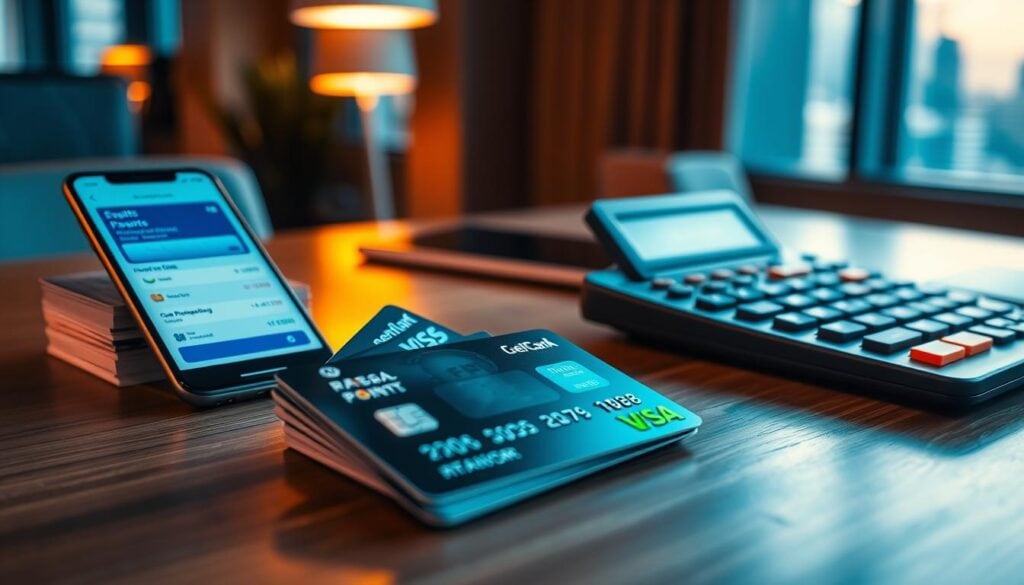
Credit card points represent the most accessible arbitrage opportunity in modern finance. We approach this systematically rather than relying on chance.
Leveraging Credit Cards and Points Efficiently
Sanam Ghaneeian’s method starts with data analysis. She categorizes spending into food, travel, and other categories to match cards to actual behavior.
The transfer partner strategy separates professionals from amateurs. Booking through credit card portals often costs 10x more points than transferring directly to airline partners.
Real-Life Examples and Success Stories
Austin Church’s experience proves the system works. He opened 12 cards in 2015, accumulated 1.3 million points, and saw his credit score exceed 800.
His redemptions included Delta One business class seats for 62,500 miles versus $6,279.80 retail. This demonstrates the extraordinary value available through strategic planning.
We advocate the “earn and burn” philosophy. Points lose value sitting in accounts but create lasting memories when converted to experiences.
Smart Planning: Booking, Itineraries, and Tools
Strategic organization separates successful redemptions from missed opportunities in the loyalty landscape. We prioritize destination selection over points balances—choose your ideal place first, then reverse-engineer the strategy.
The calendar acts as your commitment device. Block dates 6-8 months out and request time off immediately. This creates forcing functions that prevent work conflicts from derailing premium cabin aspirations.
Organizing Your Travel with Effective Apps and Spreadsheets
Our organizational stack prevents costly mistakes. Google Sheets manages itineraries and redemption tracking. LastPass secures 20+ loyalty program credentials efficiently.
Award availability often dictates dates for strategic operators. When you find premium seats at 10% of retail cost, flexibility becomes your greatest asset. Plan backward from departure day to ensure seamless execution.
| Tool Category | Primary Function | Key Benefit | Best For |
|---|---|---|---|
| Itinerary Management | Centralized planning | Single source of truth | Complex multi-city trips |
| Password Security | Credential storage | One-click login access | Managing multiple loyalty accounts |
| Award Search | Availability scanning | Finds premium cabin deals | Flexible date travelers |
| Real-Time Intelligence | Flight status updates | Proactive delay management | Time-sensitive professionals |
| Seat Selection | Cabin layout analysis | Avoids poor seating choices | Comfort-focused flyers |
Family excursions demand additional lead time. Secure 3-4 premium seats by planning 8-12 months ahead. Real-time apps like Dark Sky provide hour-by-hour weather intelligence before airlines issue delay notices.
One professional’s system includes weekly balance payments. This maintains cash flow visibility and prevents interest charges that undermine points economics. The spreadsheet becomes your command center for confirmation numbers, terminal maps, and backup options.
On-the-Go Hacks: Packing, Apps, and In-Flight Strategies
Systematic execution extends beyond booking strategies to encompass every minute from packing to landing. We optimize the entire journey, not just the redemption.
Carry-On Packing Tips and Luggage Hacks
Shelley Zalis champions the carry-on-only philosophy for control. Her “Mary Poppins suitcase” approach maximizes space efficiently.
Shoes go flat in pouches at the bottom. Underwear and socks fill gaps as space savers. A plastic dry cleaning bag between layers prevents wrinkles better than expensive cubes.
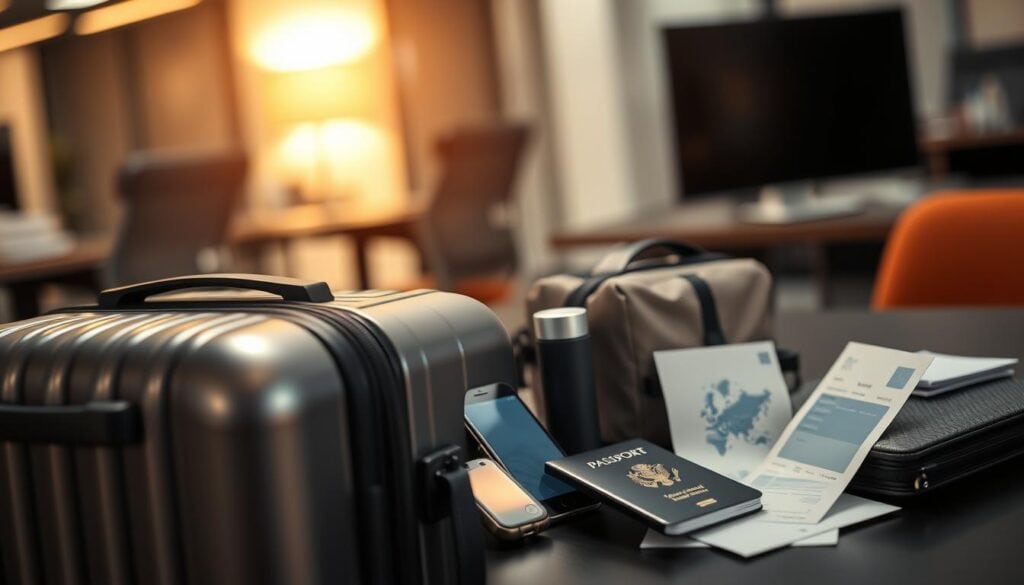
Wear bulky items like tennis shoes and sweaters on the plane. Maintain a pre-packed toiletry bag ready for any trip. This eliminates last-minute decisions.
Using Travel Apps for Real-Time Updates
Mobile tools provide critical advantages during irregular operations. Smart travelers access information before airline agents suggest alternatives.
| App Category | Primary Function | Key Benefit |
|---|---|---|
| Flight Tracking | Real-time status updates | Proactive delay management |
| Award Search | Premium seat availability | Finds last-minute deals |
| Local Discovery | City experiences | Transforms routine trips |
| Weather Intelligence | Hour-by-hour forecasts | Anticipates disruptions |
Download entertainment before boarding since wifi proves unreliable. Pack snacks because timing becomes unpredictable. These simple hacks prevent common frustrations.
Maximizing In-Flight Downtime
Professionals treat airtime as strategic recovery or productivity windows. The approach depends on individual work styles and needs.
“I never do work on planes—it’s my sacred unplug time for entertainment and mental reset.”
Others clear reading backlogs or make strategic decisions uninterrupted. The key is intentional use of this found time rather than passive endurance.
For jet lag, switch to destination time immediately. Sleep when it’s night there, never nap after landing. This discipline cuts adjustment from days to hours.
Conclusion
The real barrier to luxury travel isn’t financial—it’s the knowledge gap that prevents most professionals from accessing superior value. We’ve demonstrated how systematic execution delivers measurable ROI without consuming excessive time.
This approach makes perfect sense when you examine the unit economics. Retail premium flights cost thousands, while strategic redemptions require minimal acquisition expense. The system rewards informed players who understand transfer partners and award availability.
These practical hacks aren’t reserved for experts. Busy professionals can implement them while maintaining demanding work schedules. Your next trip represents the perfect opportunity to apply these principles firsthand.
The airline industry consistently rewards those who play by the rules. Once you master the fundamentals, paying retail for business class becomes unnecessary. Work smarter by recognizing that strategic point accumulation compounds over time.
FAQ
Is it really possible to consistently get business class flights for less?
Absolutely. We’ve done it repeatedly by focusing on airline loyalty programs and strategic credit card use. The key isn’t finding a magical discount; it’s accumulating and redeeming points efficiently. This approach turns premium cabins from a luxury into a smart, calculable business expense.
What’s the biggest mistake people make with credit card points?
They treat points like cash, aiming for statement credits instead of high-value travel redemptions. A 0 credit is a poor return compared to a ,000 flight booked with the same points. We prioritize transfers to airline partners like Delta SkyMiles or American Airlines AAdvantage for maximum ROI on every mile earned.
How much time does effective travel hacking require?
The initial setup—researching cards, understanding programs—demands a few hours. After that, it’s integrated into routine spending. We use tools like AwardWallet to track points automatically, making management a minimal weekly task. The time investment is dwarfed by the savings and comfort gained.
Can I use these strategies for last-minute trips?
While advance planning yields the best deals, last-minute opportunities exist. We monitor airline award space and leverage elite status benefits or same-day change policies. Apps like ExpertFlyer provide real-time alerts for seat availability, turning urgent travel into an upgrade opportunity rather than a financial burden.
Are business class upgrades worth it for short flights?
It depends on the cost in points or cash. For a two-hour flight, we often prioritize lounge access over the seat itself. However, on transcontinental or longer domestic routes, the productivity boost and arrival readiness from a lie-flat seat can directly impact your first day of work, making it a solid investment.
What’s one simple hack I can implement for my next trip?
A> Start with your carry-on. We never check a bag for trips under a week. This saves time at the airport and eliminates baggage fees. Pair this with TSA PreCheck or Global Entry—often reimbursed by premium credit cards—to streamline your entire airport experience from curb to gate.