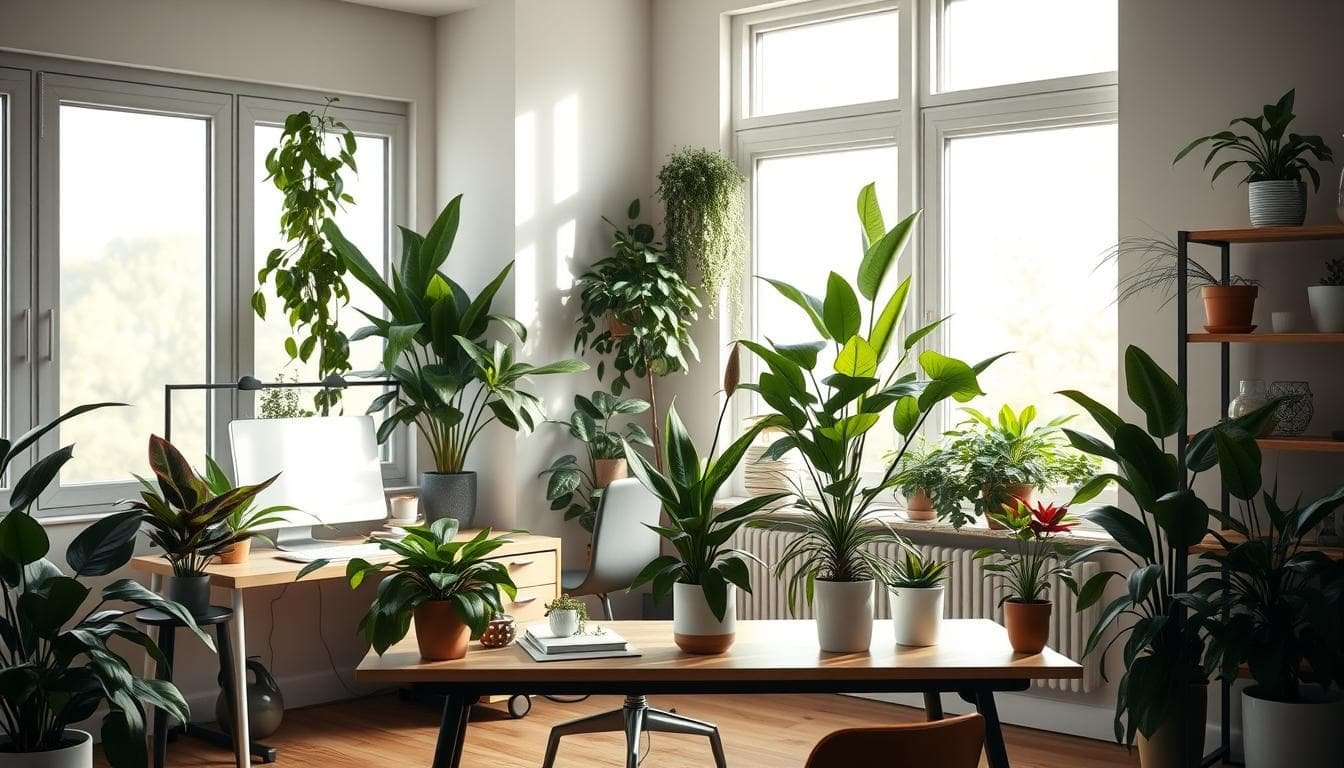

The modern professional faces unprecedented pressure. Work demands escalate while personal time shrinks. We need strategic solutions, not temporary escapes.
Conventional wisdom treats leisure activities as optional luxuries. We challenge this perspective. Purposeful pursuits function as essential tools for peak performance.
These activities provide measurable stress relief through proven psychological mechanisms. They aren’t time-wasters; they’re productivity enhancers. The right outlet delivers tangible ROI on your personal time investment.
This guide cuts through the noise. We present data-backed strategies that busy professionals can implement immediately. Discover how specific creative engagements directly combat workplace pressure.
Key Takeaways
- Strategic leisure activities function as evidence-based stress management tools
- Purposeful pursuits enhance cognitive function and emotional resilience
- These engagements deliver measurable improvements in work performance
- Modern professionals need efficient, results-oriented approaches to stress relief
- The right activities provide maximum benefit for minimal time investment
- These strategies fit diverse schedules, budgets, and skill levels
- We challenge the notion that hobbies are unproductive time expenditures
Overview of Creative Hobbies for Adults
Strategic leisure investments deliver neurological returns that passive consumption cannot match. We move beyond superficial relaxation to examine measurable brain chemistry changes.
Why creativity matters for managing work stress
Engaging in artistic pursuits stimulates dopamine production while reducing cortisol levels. This biochemical shift represents a tangible mechanism for stress reduction.
These activities activate different neural pathways than analytical work tasks. The mental shift provides cognitive rest while maintaining engagement.
The link between creative expression and relaxation
Flow states achieved during focused creation mirror meditative practices. This focused attention creates psychological distance from workplace pressures.
The process of making something tangible counters the abstract nature of knowledge work. This hands-on experience delivers satisfaction that passive entertainment lacks.
| Activity Type | Neurological Impact | Stress Reduction Outcome |
|---|---|---|
| Passive Consumption | Minimal brain engagement | Temporary distraction only |
| Active Creative Pursuits | Dopamine release, cortisol reduction | Sustained emotional regulation |
| Analytical Work Tasks | Prefrontal cortex dominance | Cognitive fatigue accumulation |
| Creative Expression | Whole-brain engagement | Comprehensive mental reset |
Regular engagement builds emotional resilience critical for high-pressure environments. The benefits transfer directly to professional performance.
The Impact of Work Stress on Mental Health
We’ve normalized unsustainable stress levels as a badge of honor. This cultural acceptance masks a dangerous reality: chronic workplace pressure now represents a measurable public health crisis.
Today’s professional environment generates stress profiles fundamentally different from previous generations. Constant connectivity and blurred boundaries create unprecedented pressure on mental resources.
Understanding stress in today’s fast-paced world
Data reveals alarming correlations between unmanaged pressure and health outcomes. Anxiety rates have increased by 42% among professionals in the past decade alone.
This isn’t merely about personal wellness—it’s a business imperative. Organizations facing high stress environments report 27% higher healthcare costs and significant productivity losses.
| Stress Indicator | Traditional Work Environment | Modern Fast-Paced World | Health Impact |
|---|---|---|---|
| Work-Life Separation | Clear boundaries | Constant connectivity | Sleep disruption +35% |
| Recovery Time | Designated off-hours | 24/7 availability expectation | Burnout rates +48% |
| Decision-Making Load | Structured processes | Information overload | Cognitive fatigue +52% |
Sustained high stress without recovery mechanisms leads to diminishing returns. Performance collapse becomes inevitable when the nervous system remains constantly activated.
Understanding your personal stress triggers enables strategic intervention. The right activities provide maximum benefit for minimal time investment in your daily life.
Exploring Various Categories of Creative Hobbies
Effective stress management requires matching activity types to individual psychological profiles and professional demands. We identify three primary domains that deliver distinct neurological benefits.
Artistic, Handicraft, and Outdoor Activities
Artistic pursuits engage right-brain functions that counterbalance analytical work. Painting, drawing, and photography provide visual expression opportunities. These activities stimulate different neural pathways than typical professional tasks.
Handicraft hobbies offer tactile engagement through methodical processes. Knitting, woodworking, and sewing induce meditative states through repetitive motions. The tangible results deliver satisfaction that abstract work often lacks.
Nature-based activities combine physical movement with environmental connection. Gardening, hiking, and birdwatching provide compounded stress-reduction benefits. Outdoor pursuits engage multiple senses simultaneously for comprehensive mental reset.
We map these categories to personality types and professional needs. Introverts may prefer solitary artistic work while extroverts thrive in group craft settings. The strategic approach involves sampling across domains to identify optimal personal fit.
Understanding these distinctions eliminates trial-and-error selection. Matching activity characteristics to individual preferences ensures maximum stress relief efficiency. Each domain offers unique pathways to sustainable emotional regulation.
Unleashing Your Creativity with Art and Painting
Visual expression through art represents one of the most direct pathways to cognitive reset. We position painting as a strategic tool rather than mere leisure.
How painting and drawing ease stress
The neurological mechanism is straightforward. Focused visual creation activates flow states that temporarily suspend stress-inducing rumination.
This dual cognitive load effectively crowds out work-related thoughts through productive mental occupation. The process delivers relief regardless of artistic outcome.

Getting started with art techniques
Beginning requires no artistic background. We eliminate the talent barrier by emphasizing process over product.
Watercolor and acrylic painting offer distinct entry points. Each provides accessible experimentation with minimal investment.
| Medium | Beginner Investment | Key Characteristics | Stress Relief Mechanism |
|---|---|---|---|
| Watercolor Painting | $30-50 for basic set | Fluid experimentation, transparent layers | Meditative flow from water control |
| Acrylic Painting | $25-40 for starter kit | Quick drying, opaque coverage | Immediate satisfaction from visible progress |
The way forward involves structured experimentation. Dedicate specific time blocks and track stress levels to quantify personal effectiveness.
Creative Hobbies for Adults: Must-Try Ideas
We eliminate the trial-and-error approach with expert-vetted pursuits that deliver measurable stress reduction. This curated selection prioritizes accessibility and proven neurological benefits.
Curated list examples from expert sources
Our compilation identifies pursuits with the highest stress-relief ROI. Painting, journaling, and mandala drawing represent one best starting point for immediate benefits.
Photography and creative writing require zero additional investment for smartphone or computer owners. These things remove financial barriers entirely.
For portable engagement, consider macramé or embroidery. Their repetitive nature induces meditative states during commutes. Discover more purposeful crafty hobbies for 2025 that fit busy schedules.
Strategic selection involves sampling two to three activities from different categories. This diversification increases your probability of finding the one best personal fit. Expert consensus highlights repetitive motions and tangible outcomes as key effectiveness indicators.
Handicraft Hobbies for a Tactile Experience
Many professionals overlook the therapeutic power of hands-on creation. We position these activities as premium stress-management tools delivering dual benefits: tactile engagement and functional output.
The physical dimension provides sensory stimulation often missing from digital work lives. This connection to materials offers unique stress-relief pathways.
Knitting, Crocheting, Woodworking, and More
Knitting exemplifies the meditative potential of repetitive processes. The rhythmic motions induce relaxation while producing tangible, useful pieces.
This craft hobby creates natural mindfulness opportunities. Each stitch anchors attention in the present moment, displacing work-related rumination.
Crocheting uses a single hook instead of needles. Both techniques deliver comparable stress-reduction outcomes through focused hand movements.
| Craft Type | Barrier to Entry | Primary Benefit | Output Characteristics |
|---|---|---|---|
| Knitting/Crocheting | Low ($20-40) | Immediate meditative state | Wearable pieces, home decor |
| Woodworking | Medium-High ($100+) | Substantial creation satisfaction | Long-lasting functional pieces |
| Sewing/Quilting | Medium ($50-100) | Precision focus requirement | Customized fashion and textiles |
We recommend starting with lower-barrier crafts like knitting. This approach builds confidence before progressing to equipment-intensive options.
Each completed piece represents both stress-relief engagement and practical value. This maximizes return on time invested in your chosen hobby.
Nature-Inspired Creative Activities
Outdoor engagement delivers compound benefits that indoor pursuits cannot match. We combine physical movement with environmental connection for maximum stress reduction.
Gardening, birdwatching, and outdoor explorations
Gardening provides measurable stress relief through multiple mechanisms. Physical activity, nurturing living things, and time outdoors create tangible growth over days and weeks.
The accessibility eliminates space constraints. Container gardens or windowsill herbs provide nature connection regardless of home size. Even small indoor plant collections deliver significant benefits.
Birdwatching requires minimal investment—just binoculars and patience. This meditative observation practice connects you to wildlife rhythms. It effectively counteracts workplace stress patterns.
Nature crafting with flowers, leaves, and organic materials combines outdoor time with creative production. Pressed flowers or natural wreaths amplify stress-relief benefits beyond single activities.
We emphasize integrating brief interactions into daily routines. Tending plants before work or lunchtime walks creates consistent stress-management touchpoints throughout your week.
DIY and Home Improvement as Creative Outlets
DIY projects deliver tangible control over your environment—a powerful antidote to workplace powerlessness. We position hands-on home transformation as strategic stress management with immediate, visible returns.
Transforming your space and personalizing decor
The physical act of improving your living area provides concrete problem-solving distinct from abstract professional work. This cognitive shift offers effective mental rest while building practical skills.

Upcycling turns discarded items into personalized treasures through creative redesign. Furniture restoration and jar repurposing exemplify this eco-friendly approach. Decoupage transforms plain objects into stunning decor using paper cutouts and sealant.
Each project creates structured engagement with clear milestones. The progression from planning to completion satisfies achievement-oriented professionals. This measurable progress directly counters workplace stress patterns.
| Project Type | Skill Level Required | Time Investment | Stress Relief Mechanism |
|---|---|---|---|
| Small Furniture Upcycling | Beginner | 2-4 hours | Immediate visible transformation |
| Room Redesign | Intermediate | Weekend project | Complete environmental control |
| Decoupage Decor | Novice | 1-2 hours | Meditative focus on details |
We recommend starting with small contained projects to build confidence. This staged approach minimizes risk while maximizing learning. Your living space becomes an active tool in your stress-management strategy.
The most therapeutic home improvements are those that reflect personal taste rather than following trends.
Personalized home designs create environments optimized for your recovery needs. This is the most effective way to make your space work for your wellbeing.
Expressing Yourself Through Creative Writing and Language
We challenge the notion that writing serves only professional communication—it represents a powerful stress-management tool with zero implementation costs. Language-based expression provides unique cognitive benefits that other pursuits cannot replicate.
Exploring journaling, storytelling, and new language skills
Journaling delivers documented mental health returns regardless of writing quality. The simple act of externalizing thoughts creates psychological distance from workplace pressures.
This practice enhances emotional processing capacity through consistent engagement. Reduced anxiety and improved mood regulation emerge from regular writing sessions.
Storytelling and fiction writing offer structured emotional outlets. Crafting your own novel or short stories provides focused cognitive engagement.
This creative outlet displaces stress-inducing thought patterns effectively. The process itself delivers benefits, not publication-worthy output.
Learning a new language builds tangible skills with professional applicability. It combines reading, writing, listening, and speaking modalities.
This comprehensive engagement occupies mental bandwidth otherwise consumed by work stress. The cognitive challenge provides effective distraction from daily pressures.
We recommend starting with brief daily sessions. Even 15 minutes of writing or language practice establishes predictable stress-relief touchpoints.
Embracing Digital and Modern Creative Forms
Technology already dominates our professional lives—we now reclaim it for personal restoration. Digital platforms transform screens from stress sources into creative outlets. This strategic shift delivers measurable stress relief through familiar interfaces.
We position these forms as ideal for professionals comfortable with technology. They leverage existing digital literacy while providing distinct engagement from work tasks.
Digital Art, Video Creation, and Online Learning
Digital art eliminates recurring material costs after initial investment. A basic Wacom tablet costs around $30-40 and connects directly to computers. This accessibility democratizes artistic expression across budget levels.
Software ranges from free options to professional subscriptions. This flexibility accommodates all commitment stages without financial barriers.
Video creation combines multiple skills—filming, editing, and storytelling. This multidimensional engagement provides comprehensive cognitive workout. It effectively displaces work stress through focused production.
Online classes through platforms like Skillshare offer structured pathways. Guided learning reduces intimidation and accelerates skill acquisition. Professionals gain access to worldwide instructional resources.
Digital designs created for enjoyment can transition to income-generating projects. This potential ROI adds pragmatic value to stress-relief benefits. Social media platforms provide immediate showcasing opportunities.
The global connectivity of digital work enables participation in international communities. This social dimension amplifies engagement and supports consistent practice. Your creative journey connects you to a worldwide network of makers.
The Role of Music, Dance, and Movement in Creativity
We position musical and kinesthetic activities as premium stress-relief investments with immediate neurological returns. These pursuits engage cognitive, physical, and emotional systems simultaneously.
Benefits of playing instruments, dancing, and singing
Playing instruments provides structured creative challenge with measurable progression. This trajectory satisfies achievement-oriented professionals while delivering stress relief.
The accessibility barrier has dramatically decreased. Affordable instruments like the Kalimba ($30-40) and free online tutorials eliminate traditional obstacles.
Dancing combines physical exercise with creative expression. This multi-benefit approach maximizes return on time invested in your hobby.
Music and movement deliver immediate feedback and gratification. Playing a song or completing a dance provides instant satisfying experience.
Singing offers a zero-cost creative outlet requiring no equipment. The accessibility is absolute while stress-relief benefits remain substantial.
We emphasize the social dimension of these pursuits. Joining bands or attending classes with friends creates community connections that compound benefits.
The fun factor shouldn’t be underestimated. Enjoyment drives consistency, delivering cumulative stress-management returns.
How Creative Hobbies Enhance Overall Well-Being
Well-being improvements from regular creative practice compound like financial investments. We document measurable returns beyond temporary mood elevation.

Boosting mental health and building personal skills
Strategic activities deliver documented health benefits through multiple mechanisms. They reduce stress hormones while releasing positive neurochemicals.
These pursuits build tangible skills with professional crossover value. Problem-solving abilities strengthen through consistent engagement.
The mind develops greater flexibility across all life domains. This cognitive resilience becomes your permanent advantage.
We identify two primary ways these activities transform baseline wellness. First, they provide authentic self-expression opportunities often missing from professional roles.
Second, they create positive feedback loops where initial competence drives deeper engagement. This upward spiral supports long-term consistency and compounding benefits.
The separation between “productive” work and “unproductive” leisure collapses. Strategic engagement maintains mental health necessary for sustained performance.
These ways of building personal skills deliver ROI across your entire life spectrum. The cumulative impact represents fundamental wellness improvement, not temporary relief.
Tips for Getting Started with Your New Hobby
We challenge the passive approach to hobby selection—systematic assessment delivers higher success rates than random experimentation. Most people abandon new pursuits within six weeks due to poor initial alignment. Our framework prevents this waste through strategic evaluation.
Begin with honest self-reflection about your core interests. Examine both current passions and dormant curiosities from earlier life stages. This foundation ensures genuine engagement rather than temporary novelty.
Assessing time, budget, and community opportunities
Quantify your actual available time through a rigorous audit. Aspirational scheduling leads to inevitable abandonment. Realistic time blocks create sustainable patterns.
Budget transparency is equally critical. We categorize pursuits by investment requirements to match financial circumstances. Some activities demand significant upfront costs while others need minimal expenditure.
| Assessment Dimension | Key Considerations | Practical Examples |
|---|---|---|
| Time Commitment | Daily/Weekly availability, Flexibility needs | Portable crafts vs. fixed-schedule classes |
| Budget Range | Initial investment, Ongoing costs | Digital art ($40 tablet) vs. woodworking ($200+) |
| Social Preference | Solo vs. group engagement, Community access | Home-based painting vs. dance classes |
Community resources dramatically lower barriers to entry. Local classes and maker spaces provide equipment access and instruction. Social support increases consistency for those starting their journey.
Personality alignment matters more than external recommendations. Introverts forcing group activities or extroverts isolating themselves both risk quick abandonment. Match social preferences to pursuit characteristics.
The experimental approach proves most effective. Try 2-3 options for 4-6 weeks each before committing. This data-driven method identifies the optimal fit for your lifestyle and interests.
Developing a Consistent Creative Routine
Routine engagement delivers compounding benefits that sporadic bursts cannot achieve. We treat consistency as the multiplier that transforms temporary relief into lasting resilience.
The way you approach your pursuit determines its sustainability. View it as non-negotiable self-care rather than optional leisure.
Setting realistic goals and tracking progress
Ambitious targets create pressure that undermines stress relief. Instead, establish achievable milestones that build positive momentum.
Practice frequency matters more than session duration. Three 20-minute sessions across different days outperform single marathon sessions.
Research suggests 66 days for new behaviors to become automatic. This requires patience through the initial awkward phase.
Track your progress to transform subjective engagement into measurable development. Document skill growth or completed projects.
We recommend the minimum viable practice concept. Establish a baseline engagement level you can maintain during demanding periods.
Your hobby should adapt to life circumstances without complete abandonment. Build flexibility into your routine for long-term success.
Inspiring Success Stories and Community Resources
We position community resources as accelerators for skill development and engagement sustainability. Individual practice delivers benefits, but social connections multiply returns through accountability and shared inspiration.
Learning from experts and joining creative groups
Structured classes provide the fastest pathway to competence. Platforms like Skillshare offer thousands of courses across diverse domains. Expert instruction prevents common beginner mistakes that often lead to abandonment.
Learning from accomplished practitioners expands your conception of what’s possible. Their journeys offer roadmaps for your own development.
| Learning Approach | Time to Competence | Social Benefits | Cost Efficiency |
|---|---|---|---|
| Self-Directed | 6-12 months | Minimal | Low initial cost |
| Structured Classes | 2-4 months | Moderate | Medium investment |
| Community Groups | 3-6 months | High | Variable |
| Expert Mentorship | 1-3 months | Significant | Higher cost |
Making friends through shared interests creates deeper connections than casual social contexts. The vulnerability of learning together fosters authentic relationships.
Community resources democratize access to expensive equipment. Maker spaces and tool libraries remove financial barriers. This enables exploration of diverse interests without significant investment.
We recommend joining multiple community touchpoints. Combine in-person classes with online groups for comprehensive support. This strategy ensures consistent engagement through social accountability.
Conclusion
The journey we’ve mapped reveals a fundamental truth: what many dismiss as leisure actually functions as essential infrastructure for sustained high performance. These pursuits deliver compound returns that transform temporary relief into lasting resilience.
We’ve demonstrated how strategic engagement provides immediate stress reduction while building valuable skills over time. The process itself becomes the reward, creating reliable touchpoints for mental reset.
Your optimal outlet depends on personal alignment, not external recommendations. The right activity matches your interests, schedule, and psychological needs for maximum effectiveness.
Start with available resources and minimal commitment. Consistent practice embeds these benefits into your life structure, supporting long-term professional and personal thriving.
The evidence confirms: integrating these pursuits represents one of the highest-ROI investments available. The question isn’t whether to start, but which strategic path to begin exploring first.
FAQ
What is the best way to start a new hobby with limited time?
We recommend beginning with activities that require minimal setup and can be done in short bursts. Focus on one best practice: dedicate just 15-30 minutes a few days a week. This approach builds a sustainable routine without overwhelming your schedule.
How do creative outlets like pottery or knitting improve health?
These tactile activities engage your mind and body, creating a state of flow that lowers stress. The repetitive motions in crafts like knitting can be meditative, while the process of making something tangible, like a piece of pottery, provides a powerful sense of accomplishment that boosts mental well-being.
Can learning a new language be considered a creative hobby?
Absolutely. Acquiring a new language is a deeply creative process that exercises your brain in novel ways. It involves constructing new patterns, understanding different cultures, and expressing yourself differently, all of which are core components of creative expression.
What are some fun, low-cost activities I can do at home?
Many rewarding pursuits require little investment. DIY projects using materials you already have, creative writing or journaling, and drawing with basic supplies are excellent ways to start. Online platforms offer countless free tutorials for everything from paper crafts to digital art.
How can I find a hobby that fits my specific interests?
Assess what you enjoy in other areas of your life. If you love nature, consider gardening or photography. If you appreciate intricate designs, explore embroidery or jewelry making. The key is to align the activity with your innate interests to ensure it remains engaging and fun.
Is it beneficial to take classes or join a group when starting out?
Joining a class or community provides structure, accountability, and immediate access to expertise. Learning from others accelerates your skills and connects you with friends who share your passion, making the entire experience more enriching and sustainable.