
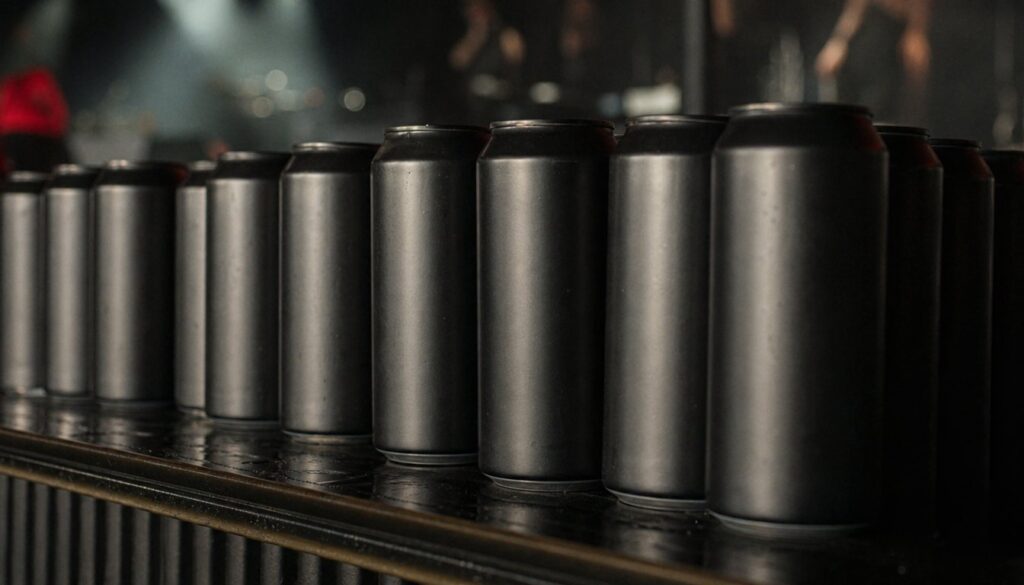
Short answer: Liquid Death turned the most commodity product possible, water, into a brand valued at $1.4 billion in its March 2024 funding round. It did it by borrowing the codes of beer and heavy metal (tallboy cans, skulls, “Murder Your Thirst”), treating marketing as entertainment, and wrapping a real sustainability message about plastic in humor. The lesson for other brands: in a crowded category, a strong point of view can matter more than the product difference.
The numbers
| Item | Figure |
|---|---|
| Founded | 2017 by Mike Cessario, a former ad creative; first cans sold in 2019 |
| Valuation | $1.4 billion after a $67 million round in March 2024 |
| Retail sales | $263 million in 2023 and about $333 million in 2024 (retail sales reported by the company, not net revenue) |
| Product range | Still and sparkling water, flavored sparkling, iced tea, electrolyte powder and, from 2026, sparkling energy drinks |
1. Positioning: water for people who don’t want to look like they’re drinking water
Cessario has said the idea came from seeing musicians at festivals drink energy drinks from cans or water poured into empty beer cans. A healthy drink that looked like beer gave people a socially “cool” option at bars, concerts and parties. That is a precise customer problem, not a vague lifestyle claim.

2. Packaging as the main ad
The 16.9 oz tallboy can with a melting skull logo is impossible to miss on a shelf full of clear plastic bottles. The can also supports the environmental message: aluminum is widely recycled, and the brand’s “Death to Plastic” line gives the jokes a purpose.
3. Marketing as entertainment
- Turning hate into content: the brand released albums whose lyrics were negative comments people had posted about it.
- Absurd merchandise and stunts such as a skateboard deck that famously included Tony Hawk’s blood in the paint.
- Collaborations with musicians, comedians and other brands that extend the “metal” persona.
The common thread: each piece is entertaining enough that people share it without being paid, which lowers the cost of reach.
4. Distribution built the scale
The brand’s fame came from content, but its growth came from shelves: Whole Foods, Target, Walmart, 7-Eleven and many bars and venues. Strategic partners such as Live Nation put cans into concerts. A distinctive brand without broad distribution would have stayed a niche internet joke.
What other brands can learn
- Find the social job your product does, not just the functional one.
- Break the category’s visual codes so the product is recognizable in one glance.
- Give humor a reason. Liquid Death’s jokes point back to a real message about plastic.
- Pair attention with availability. Awareness only becomes sales where people can buy.
The risks
Analysts note that the product is easy to copy and that growth depends on continued marketing spend. In 2025 the company exited the UK market to focus on the US, and its move into energy drinks puts it against much larger competitors. Whether the brand can keep its edge as it scales is the open question.
Bottom line: Liquid Death shows that a commodity can carry a strong point of view. Copy the clarity of Liquid Death, not the skulls. The rest of the Liquid Death story is consistency: the same tone in every channel for years.
Frequently asked questions
Is Liquid Death just water?
The original product is still and sparkling water in aluminum cans. The range now includes flavored sparkling water, iced tea and energy drinks.
Who founded Liquid Death?
Mike Cessario, who previously worked as a creative director in advertising.
Sources
- Liquid Death: company history and funding (Wikipedia, with primary references)
- CNBC interview with CEO Mike Cessario, February 2025 (retail sales figures)
Related: what is brand positioning · viral marketing case studies