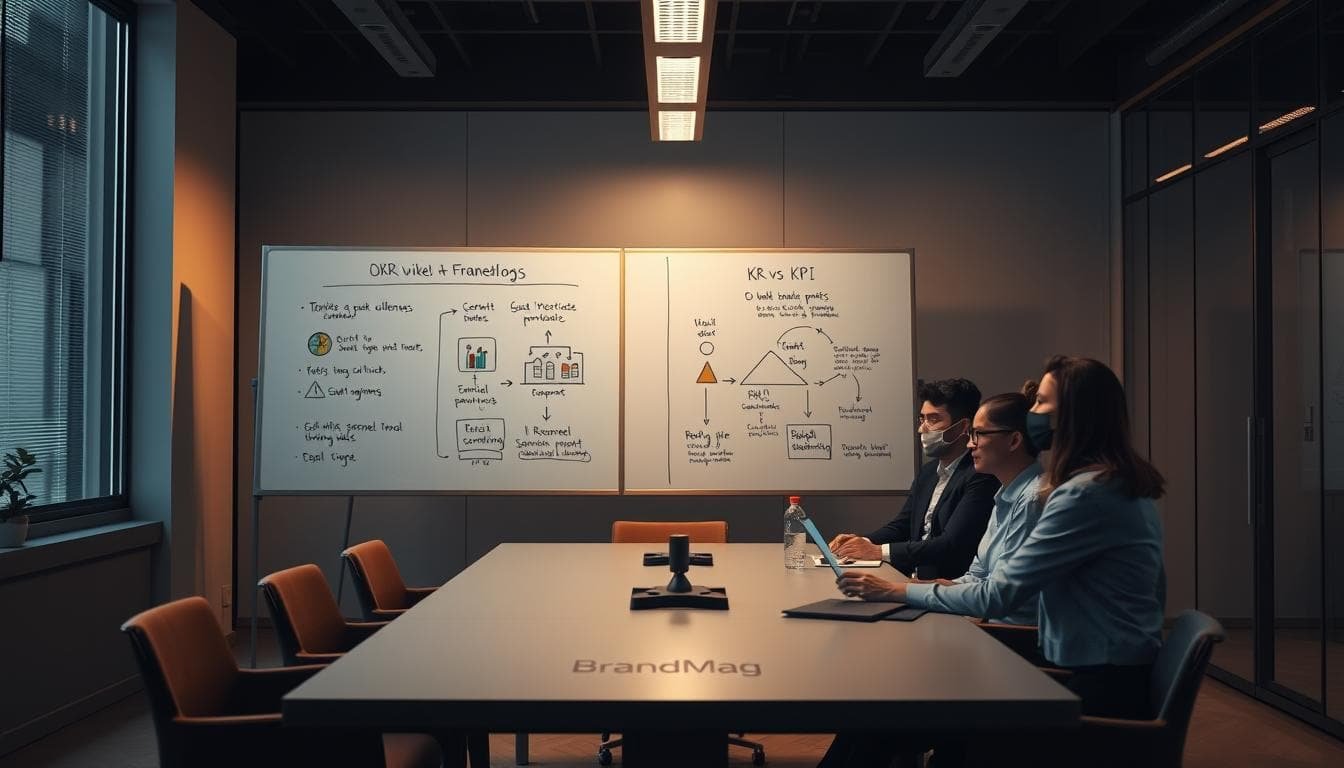

Let’s be direct. In 2025, your ability to deliver a powerful presentation isn’t just a soft skill—it’s a core business competency. This single skill often determines whether you secure critical funding, land that enterprise client, or watch valuable opportunities vanish.
Generic advice no longer works. We cut through the noise with evidence-based strategies. Professionals who master these skills advance faster, earn more, and wield greater influence. This isn’t about flashy slides; it’s about driving measurable impact on your bottom line.
We’ve synthesized proven techniques that work across industries. Whether you’re pitching investors or leading a team meeting, the way you communicate directly shapes your results. Your performance in these moments correlates with the outcomes you achieve—period.
This guide delivers actionable intelligence, not theory. We provide a strategic framework covering audience psychology and technology leverage. Every strategy has one purpose: helping you deliver communications that drive action and generate tangible outcomes.
Key Takeaways
- Presentation mastery is a critical driver of career advancement and professional influence.
- Effective communication skills directly impact your ability to secure funding and win clients.
- Success hinges on evidence-based techniques, not generic or theoretical advice.
- Your delivery method is as important as the content itself for achieving desired results.
- This guide focuses on practical strategies for immediate improvement and measurable impact.
Understanding the Essentials of a Business Presentation
Forget what you’ve been told about presentations being just slide decks. We define this activity as a strategic communication tool. Its goal is to move your audience from their current state to a desired action or belief.
Defining Key Components
Every successful effort starts with clarity on three components. You need a core message, a deep understanding of your audience’s needs, and a crystal-clear desired outcome. Miss any of these, and your foundation is weak.
Key elements include a clear purpose, structured content, thorough audience analysis, and measurable objectives. These components work together to create a cohesive and persuasive narrative.
Identifying Audience Needs
The most critical shift is moving from a performer-centric to an audience-centric mindset. This transformation begins with a single, powerful question: “What does my audience need to hear from me?”
Make this question your mantra. It forces you to focus on their challenges, speak their language, and provide information that solves their specific problems. Generic content destroys trust instantly.
Before creating a single slide, define what you want people to remember and what action you want them to take. These two elements must drive every content decision you make.
Business Presentation Tips: Engaging Your Audience
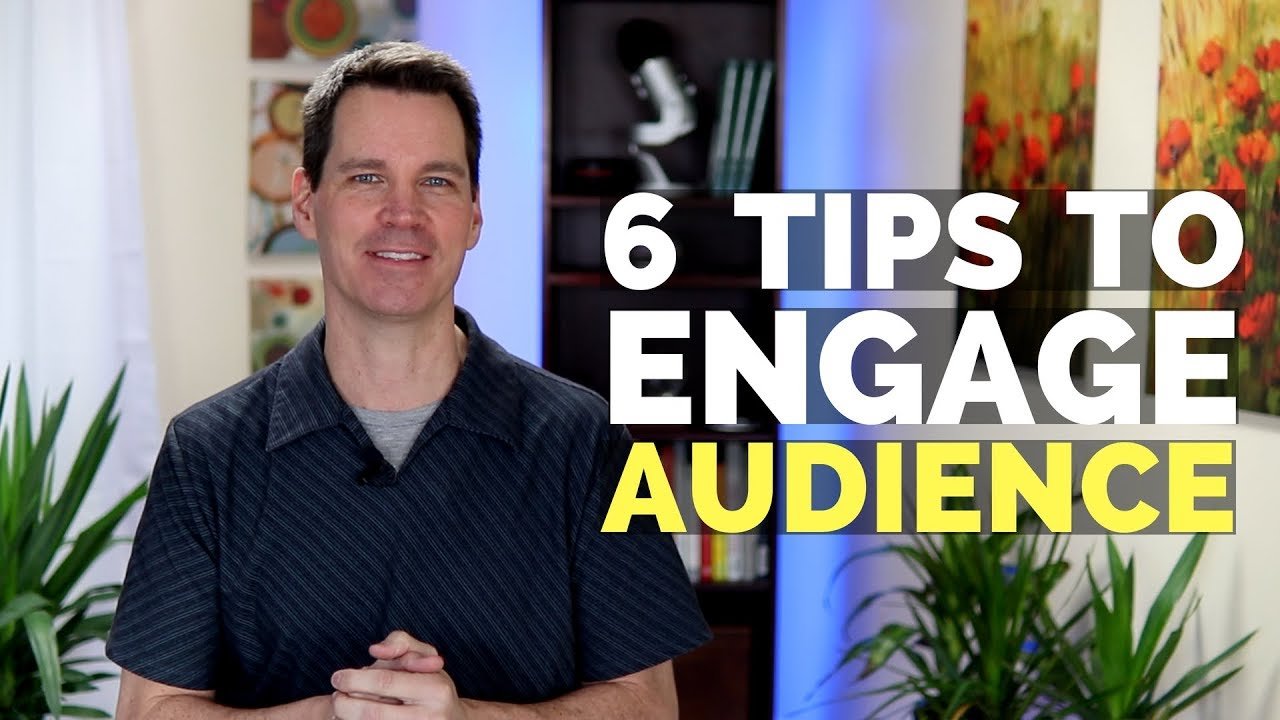
Most professionals overlook the single most critical element of successful communication: genuine audience engagement. We’ve observed that technical expertise means little without the ability to connect with listeners on a human level.
Maintaining Eye Contact and Using Gestures
Eye contact isn’t optional—it’s your primary tool for building trust. When you look people in the eye, you signal competence and create individual connections. This approach works even in large groups.
Here’s our proven technique: identify one genuinely interested person. Make eye contact with them initially to calm your nerves. Then systematically shift your gaze to different sections of the room.
Strategic gesture use amplifies your message. Avoid defensive postures like crossed arms or hands in pockets. Instead, use open, purposeful hand movements to emphasize key points.
| Effective Technique | Ineffective Approach | Impact on Engagement |
|---|---|---|
| Sustained eye contact | Reading from notes | Builds trust and connection |
| Open palm gestures | Crossed arms | Signals confidence and openness |
| Purposeful movement | Static standing | Maintains audience attention |
Storytelling and Personal Connection
Stories create immediate audience attention because they activate imagination. Start with a compelling anecdote that relates to your topic. Make people feel something within the first 60 seconds.
The data is clear: audiences remember emotionally charged messages far better than fact-based ones. Emotion has a fast track to long-term memory. Weave personal stories throughout your communication.
“The human brain is wired for narrative—we remember stories six times better than facts alone.”
Facial expressions matter as much as words. Maintain a friendly, open expression. This signals confidence and creates psychological safety for your audience to engage with your ideas.
Developing an Effective Presentation Structure
Structure isn’t optional decoration—it’s the framework that determines whether your message lands. Research proves people retain organized information 40% more reliably than freeform content. This means your structural choices directly impact audience memory and action.
Crafting a Compelling Introduction
Your opening must accomplish three critical tasks within two minutes. Capture attention immediately with a surprising statistic or compelling story. Establish your credibility quickly. Then preview your structural roadmap so listeners know where you’re taking them.
We recommend starting with a provocative question that addresses audience pain points. This approach creates immediate engagement and sets the stage for your solution-oriented content.
Organizing Main Points Clearly
Apply the rule of three for optimal retention. Audiences remember three key ideas far better than five or seven. Structure your main points around this principle, with each supported by clear sub-points.
Choose from proven frameworks like Problem-Solution-Benefit for persuasive scenarios. Identify a specific challenge, present your evidence-based solution, then articulate clear benefits. This logical flow creates inevitable momentum toward your call to action.
A strong framework serves as your safety net during delivery. If you lose your place, the structure helps you recover seamlessly. For comprehensive guidance, explore these strategies for effective communication.
Creating Impactful Visuals and Slide Designs
Your slides should amplify your voice, not compete with it—this principle changes everything. We see professionals overload their visuals with clutter that distracts from core messages. Effective design serves as your silent partner, not your replacement.
Choosing the Right Visual Aids
Visual variety maintains audience attention throughout your delivery. Combine different media types strategically. Use brief video clips for demonstrations, whiteboards for real-time diagramming, and physical props for tangible concepts.
Limit text to three sentences or bullet points maximum per slide. Use 32-point font minimum for readability. Every slide deserves a striking image that illustrates your ideas instantly.
Video integration works when it’s under 90 seconds and directly relevant. Avoid using media as filler—each visual element must earn its place by adding clear value to your narrative.
Audiences engage more when witnessing creation rather than consuming pre-made content. Consider building diagrams live during your delivery. This approach captures attention and demonstrates expertise dynamically.
Incorporate brand elements consistently but subtly. Your logo and color palette should appear professional without overwhelming content. Clean infographics and simple charts communicate complex ideas at a glance.
Remember: visuals support your message rather than replacing it. The moment your slides become the primary information source, you’ve lost credibility as the expert. Design for impact, not decoration.
Mastering the Art of Delivery and Body Language
Nonverbal communication accounts for over half of your message’s impact, yet few master this critical dimension. We see professionals invest heavily in content while neglecting the physical delivery that determines whether their message lands.
Utilizing Gestures and Facial Expressions
Your gestures should amplify your words, not compete with them. Use open hand movements to illustrate concepts—avoid defensive postures like crossed arms or hands in pockets.
Facial expressions reveal your confidence level instantly. Maintain an open, engaged expression that matches your content’s emotional tone.
Maintaining Confident Posture and Movement
Confidence begins before you speak. Strike a power pose backstage to boost psychological readiness. Then maintain upright posture with shoulders back throughout your delivery.
Strategic movement demonstrates comfort with your material. Advanced speakers leave the podium to create intimacy with their audience.
| Effective Stance | Ineffective Position | Audience Perception |
|---|---|---|
| Angled body (one foot forward) | Direct frontal facing | Welcoming vs. confrontational |
| Open hand gestures | Crossed arms | Confident vs. defensive |
| Purposeful room movement | Static behind podium | Engaged vs. distant |
“The body says what words cannot.” — Martha Graham
Eye contact remains your most powerful tool. Systematically connect with individuals throughout the room to project confidence universally.
Effective Use of Pauses and Verbal Cues
We’ve observed that the most powerful communication tool is often the one speakers fear most: deliberate silence. Most professionals fill every moment with words, unaware that strategic pauses create more impact than any scripted content.

The rhythm of your delivery determines whether your message lands or gets lost. When you master this dimension, your speaking transforms from information transfer to genuine influence.
Avoiding Filler Words for a Smooth Flow
Filler words like “um” and “like” instantly undermine your credibility. They signal unpreparedness and nervousness to your audience. Replace them with purposeful silence—it projects confidence instead of uncertainty.
Strategic pauses serve multiple functions in your speech. Use them before important statements to build anticipation. Insert them after key points to allow processing time. They also create natural transitions between sections.
| Effective Technique | Ineffective Habit | Audience Impact |
|---|---|---|
| 2-3 second strategic pause | Filler words (“um,” “like”) | Projects confidence and control |
| Varied pacing with emphasis | Monotone delivery | Maintains engagement and interest |
| Transition pauses between sections | Rushing through content | Helps mental processing and retention |
“The right word may be effective, but no word was ever as effective as a rightly timed pause.” — Mark Twain
Your way of communicating affects how people receive your message. Slow down your speaking pace—your audience needs time to absorb information you’ve already internalized. This approach creates a natural flow that feels conversational rather than rehearsed.
When you forget your next point, pause briefly instead of panicking. A 2-3 second silence appears intentional to listeners. This technique beats filler words every time and maintains your authority as the speaker.
Rehearsal Techniques for a Flawless Presentation
Passive slide review is the enemy of a powerful delivery; active, physical rehearsal is the only path to fluency. Mental run-throughs fail to simulate real conditions. You must stand, speak aloud, and use gestures to engage the neural networks that strengthen recall under pressure.
This approach transforms abstract knowledge into embodied skill. The physical act of delivering your content builds muscle memory and confidence.
Practicing with a Live Audience
Follow this progression for maximum impact. Start solo to master your material. Then, video record yourself to spot verbal and nonverbal issues invisible during delivery.
The final step involves a trusted test audience. Choose colleagues who offer candid feedback, not empty praise. Ask specific questions about clarity and impact to get actionable insights.
Always time your runs. Knowing your exact pacing prevents rushing and builds assurance. This disciplined practice ensures your final delivery feels controlled, not chaotic.
Recording and Self-Evaluation
Video reveals uncomfortable truths. Watching yourself critically accelerates skill improvement faster than any other method. You’ll identify filler words, distracting gestures, and pacing issues.
Use the focused practice technique. Isolate specific segments—like your opening or a complex slide—and drill them repeatedly. This builds automaticity in individual components before integrating the whole.
Rehearse in the actual venue when possible. Context-dependent memory means familiarity with your surroundings reduces anxiety and boosts recall during the real event. Your environment matters as much as your content.
Engaging Your Audience with Interactive Elements
Information delivered to a passive audience evaporates within hours; active participation is the only proven method for retention. We move listeners from spectators to collaborators. This shift transforms your communication from a monologue into a dialogue with lasting impact.

Incorporating Questions and Polls
Strategic questions are your most powerful tool for engagement. They force your audience to think, not just listen. We categorize them for maximum effect.
Use rhetorical questions to build intrigue. Polling questions make people part of your point. “What if” scenarios focus audience attention on specific timeframes.
Always start with easy-to-answer questions. This builds confidence and encourages further participation. Avoid anything that might embarrass participants.
Using Anecdotes and Real-Life Examples
Abstract concepts need concrete anchors. A relevant story or specific example makes your message memorable.
Instead of stating “customer retention improves profitability,” share a detailed example. Describe how a 5% churn reduction at a specific firm increased annual revenue by $2.3 million.
In virtual settings, apply the 10-minute rule. Introduce an interactive element like a chat prompt every ten minutes to maintain focus. Acknowledge responses by name to validate contributions and keep your audience invested in the outcome.
Handling Stage Fright and Building Confidence
Nervous energy is universal among speakers; the distinction comes from how you channel it. We see professionals waste this powerful resource by fighting anxiety instead of transforming it into performance fuel.
The most effective mindset shift changes everything. Stop viewing your delivery as a performance where you’re being judged. Instead, position yourself as serving your audience’s needs.
Techniques to Overcome Nerves
Deep breathing delivers immediate results. Take diaphragmatic breaths to oxygenate your brain and activate your parasympathetic nervous system. This simple practice reduces anxiety symptoms within 60 seconds.
Preparation builds legitimate confidence. When you know your material thoroughly and understand audience requirements, you have concrete reasons to feel assured. Natural nervousness becomes manageable background noise.
Sleep quality directly impacts your recall ability and stress resilience. Pulling all-nighters before speaking destroys memory consolidation. Quality rest in the preceding 48 hours prepares your brain for optimal performance.
Physical fitness builds presentation resilience. Regular exercise improves lung capacity for breath control and provides an outlet for releasing pent-up anxiety. Fit speakers respond better to both mental and physical stress.
Reframe your internal dialogue. Instead of “I’m so nervous,” say “I’m excited.” Replace “What if I fail?” with “What value am I bringing?” This cognitive shift moves your brain from threat detection to opportunity recognition.
Tailoring Your Content to Your Audience’s Needs
The single greatest disconnect between speaker and listener occurs when content fails to resonate with the audience’s reality. We see professionals deliver brilliant ideas that vanish because they weren’t framed for the people in the room. Your message must land in their world, not just yours.
This process starts with genuine empathy. Diagnose your listeners’ knowledge, expectations, and attitudes before you write a single word. Relevance is not an afterthought—it’s the foundation of comprehension and memory.
Adapting Language and Tone
Speak your audience’s language literally. Avoid jargon they don’t understand. Use terminology from their industry and structure explanations at their knowledge level.
Novices need foundational information. Experts crave nuance and depth. Your word choice signals respect for their intelligence.
Use strong, concrete terms in short sentences. Empty phrases and clichés create comprehension barriers. The goal is understanding, not vocabulary complexity.
Providing Relevant Examples and Data
Data without context is meaningless. Statistics become powerful when translated into terms your specific audience understands and cares about.
For instance, “saving one billion kilowatt hours” gains impact when you add, “that’s equivalent to the entire United States not using power for 15 minutes.” This translation makes the number memorable.
Analogies are powerful tools. They connect new information to concepts your listeners already grasp. This accelerates comprehension dramatically.
Tailor your examples to audience demographics. Use B2B case studies for corporate groups. Share consumer stories for retail contexts. Generic scenarios fail to connect emotionally.
| Effective Language | Ineffective Language | Impact on Audience |
|---|---|---|
| Industry-specific terms | Unnecessary jargon | Builds credibility and rapport |
| Translated data with context | Raw numbers alone | Enables understanding and recall |
| Tailored, specific examples | Generic, one-size-fits-all stories | Creates emotional connection |
Leveraging Technology for Dynamic Presentations
Technology failures during a talk create an immediate credibility gap that content alone cannot bridge. We see professionals invest heavily in messaging while neglecting the technical foundation that delivers it. Your tools should serve as invisible partners, not distracting competitors for audience attention.
Utilizing Multimedia Tools
Strategic multimedia integration prevents monotony in various presentation types. Combine short video clips under 90 seconds with live whiteboard demonstrations. This approach maintains engagement through sensory variety.
Platform diversity matters beyond traditional slides. Tools like Visme and Canva offer fresh visual capabilities. Virtual platforms like Webex enable remote communication with built-in engagement features.
Video works best when demonstrating concepts that benefit from motion. Use it for product demonstrations or customer testimonials. Longer clips disrupt momentum and shift focus away from your leadership.
Ensuring Smooth Technical Execution
Technical failures destroy audience trust instantly. Test everything before starting: camera framing, microphone levels, and internet stability. Arrive early for in-person events or start virtual sessions 15 minutes ahead.
Different presentation formats require specific technology approaches. Wireless microphones enable movement during live talks. Quality webcams and stable connections are non-negotiable for virtual communications.
Recruit support when possible. An assistant can manage slides and monitor chat functions. This division of labor lets you focus entirely on content delivery and audience connection for better results.
Technology should drive action through built-in engagement tools. Use polls and Q&A functions to create interactive moments. These features transform passive viewing into active participation.
Preparation and Practice for Real-Time Success
Arriving early isn’t just about punctuality—it’s a strategic advantage that transforms anxiety into assurance. We see professionals sabotage their own efforts by rushing into venues at the last minute. This approach guarantees elevated stress regardless of preparation quality.
Real-time success hinges on environmental mastery. Your familiarity with the space directly impacts recall and confidence during delivery.
Aligning Your Environment and Equipment
Equipment familiarity separates polished professionals from amateurs. Know how to operate every tool you’ll use—laser pointers, remote clickers, microphones. More importantly, put down tools when not actively using them.
This habit keeps your hands free for gestures and prevents fidgeting. Room dynamics significantly affect your delivery approach.
Understand your space’s acoustics, sightlines, and layout. Identify where you’ll stand and how you’ll move. In some cases, site visits before the actual day provide invaluable intelligence.
Photograph the room and test equipment to reduce unknowns. For virtual settings, ensure proper lighting and clean backgrounds. The light should come from in front of you, not behind.
Post-delivery action plans require preparation too. Have clear next steps defined and follow-up materials ready. The point of communicating is driving results, which requires planning beyond the speaking moment itself.
Conclusion
What separates exceptional communicators from the rest isn’t natural talent but systematic skill development. We’ve shown that evidence-based techniques deliver measurable outcomes when applied consistently.
Your immediate action point is selecting three specific methods from this guide. Focus on incremental improvement rather than wholesale transformation. This approach builds sustainable competence over time.
Remember the core mindset shift: effective communication serves audience needs rather than showcasing personal ability. This perspective reduces anxiety while increasing impact. Your message becomes more valuable when centered on others.
The virtuous cycle begins with deliberate practice. Better skills lead to better results, which create more opportunities for refinement. This progression separates advancing professionals from those who plateau.
Mastery requires structured learning, honest evaluation, and persistent application. Treat communication as a core competency rather than an occasional event. The results will speak for themselves.
FAQ
How long should my presentation be to maintain audience attention?
We recommend keeping most talks under 20 minutes. Attention spans are limited, so focus on your core message. If you need more time, break content into clear segments with interactive elements to re-engage listeners.
What is the biggest mistake people make with slide design?
Overloading slides with text is the most common error. Each visual should support one key idea. Use high-quality images, minimal bullet points, and ample white space. Your slides are a backdrop, not a script.
How can I quickly improve my delivery and body language?
Practice standing with a confident posture and using purposeful gestures. Record yourself to spot filler words or nervous habits. Even small adjustments, like smiling and making eye contact, significantly boost perceived confidence.
What’s the best way to handle difficult questions during the Q&A?
Pause and listen fully before responding. If you don’t know an answer, it’s okay to say you’ll follow up. Always bridge back to your main points. This approach maintains control and reinforces your message.
Can storytelling really make a difference in a corporate setting?
Absolutely. Data tells, but stories sell. A relevant anecdote makes information memorable and builds an emotional connection. Weave a concise, relatable narrative into your introduction to capture interest immediately.
How much rehearsal is necessary for a successful outcome?
Rehearse until you can deliver the main flow without notes, but avoid sounding memorized. Practice aloud multiple times, ideally in the actual room. This builds muscle memory and helps you adapt to real-time audience feedback.