
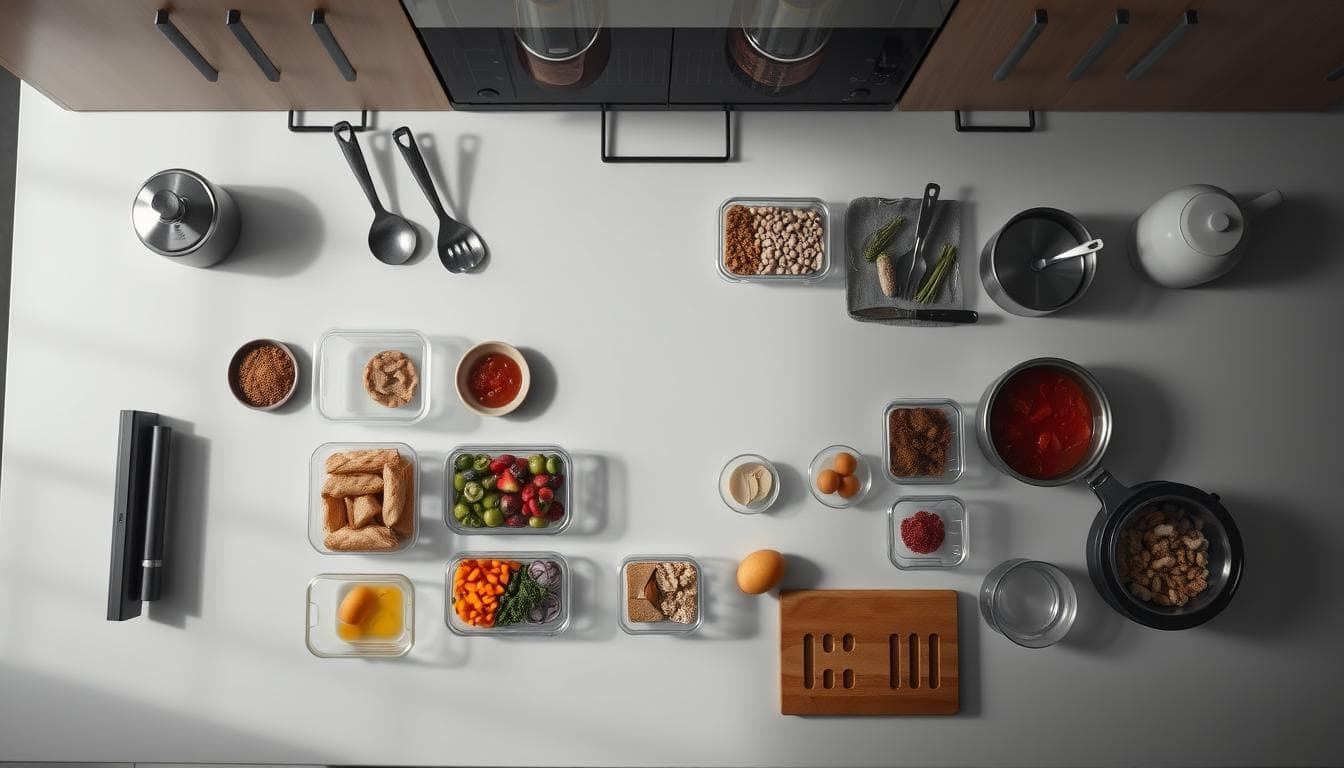
Balancing a busy career with healthy eating is hard — meetings, deadlines, and family time leave little room for thoughtful meals. The result is often costly takeout, rushed choices, and energy dips that hurt your focus.
There’s a practical alternative: simple, repeatable meal prep that trims decision time and keeps nutrition consistent. This is a flexible system — not rigid rules — built to fit real schedules through a mix of batch cooking and component prep.
Small, sustained changes add up. The U.S. Bureau of Labor Statistics reports Americans spend roughly 37 minutes per day on food preparation and cleanup (American Time Use Survey), so trimming that time with a plan can free hours each week (source: BLS ATUS).
Built from chef-tested recipes and nutrition-friendly habits, this guide focuses on actionable meal prep strategies you can try this weekend. Recommendation: pick two recipes and block 2 hours to prep components — you’ll see the time and cost benefits immediately.
Introduction: Streamlining Your Work Week with Meal Prep
Busy professionals often hit a mismatch between performance goals and the everyday fuel that supports them. Meetings, commute time, and family obligations compete for attention—so your meal plan should reduce daily decisions, not add to them.
This guide favors a schedule-first approach over marathon Sunday cooks or strict meal repetition. Start by auditing your calendar: note evenings with plans and block the nights you’ll cook, then choose recipes that fit those slots.
| Scenario | Daily Time Investment | Weekly Total | Mental Energy Drain | |||
| Without System | 37 minutes | 3+ hours | High |
| With Strategic Prep (example) | 8 minutes | ~45 minutes | Low |
| Illustrative Improvement | ~29 minutes saved daily | ~2.25 hours saved | Decision fatigue reduced |
The 37-minute figure refers to average daily time spent on food preparation and cleanup, per the U.S. Bureau of Labor Statistics American Time Use Survey (ATUS); use that as a baseline to measure your own savings (source: BLS ATUS).
Practical example: if you have two dinners out, plan three home-cooked dinners that yield lunch-worthy leftovers—this keeps grocery waste low and maximizes the return on your prep time. For quick method ideas and recipes, see this resource to power up your schedule.
Benefits of a Well-Planned Meal Prep Strategy
Investing a little time in systematic meal prep returns benefits across productivity, cost, and health. Instead of vague promises, this section focuses on measurable outcomes you can expect when you make prep part of your weekly routine.
Time Savings and Reduced Stress
Meal prep can cut daily food decisions and active cooking time, creating mental space for higher-value work. Using the 37-minute ATUS baseline for food prep and cleanup, modest changes—like prepping grains and proteins—can realistically reclaim several hours across the work week (source: U.S. Bureau of Labor Statistics, American Time Use Survey).
Example: two big-batch dinners plus 1 hour of component prep can turn multiple weeknight 45-minute cooks into 15-minute assemblies, an illustrative savings of roughly 3–5 hours weekly depending on your starting point.
| Benefit Category | Typical Impact (illustrative) | Professional Value | Implementation Time |
| Time Recovery | 3–7 hours/week | More focused work time | 1–3 hours/week |
| Financial Savings | Noted grocery vs. takeout gap | Lower monthly food spend | Smart shopping |
| Stress Reduction | Fewer daily decisions | Better mental bandwidth | Consistent routine |
| Health Outcomes | More balanced meals | Sustained energy | Portion control |
Cost Efficiency and Healthy Eating
Data from the USDA Economic Research Service show households spend more on food away from home than groceries; that gap is the basis for realistic savings when you cook more at home (source: USDA ERS). Rather than promise a fixed percentage, expect savings to vary by city and habits—many people see meaningful monthly reductions when replacing several takeout meals with prepped lunches and dinners.
Beyond money, planned meals let you control portions and ingredients, which supports weight management and steady energy. Combine three grains and three proteins across the week to create variety without extra cooking time—this is a high-return structure for both nutrition and convenience.
Kickstarting Your Morning with Quick and Healthy Breakfasts
How you start the day affects focus and energy for hours. Prioritize a simple, protein-forward breakfast that you can grab or reheat in minutes so mornings don’t derail your workweek.
These breakfast meal prep ideas aim for high nutritional return with minimal daily time cost—think quick evening prep or batch-making on the weekend.
Overnight Oats and Egg Muffins
Overnight oats are about as low-effort as it gets: combine 1/2 cup rolled oats with 1/2 cup milk (dairy or plant) plus a spoon of yogurt or chia if desired, seal in a jar, and refrigerate. They keep about 3 days refrigerated (source: food-safety guidance).
Egg muffins deliver portable protein: whisk 8–10 eggs with chopped vegetables, a pinch of salt and pepper, and pour into a 12-cup muffin tin. Bake, cool, and refrigerate — one batch yields several breakfasts that reheat in 30–60 seconds.
Grab-and-Go Breakfast Options
Hard-boiled eggs are a reliable prep win. Cook a batch on Sunday (about 15 minutes active time) and refrigerate—USDA guidance indicates hard-cooked eggs stored properly can remain safe for about 5–7 days (source: USDA).
These options reduce morning decision fatigue and give you steady protein to sustain energy through mid-morning.
| Breakfast Option | Prep Time | Shelf Life | Key Benefit |
| Overnight Oats | 5 minutes | ~3 days | Zero morning effort; customizable |
| Hard-Boiled Eggs | 15 minutes | 5–7 days | High-protein convenience |
| Egg Muffins | 25–30 minutes | 3 days | Portable complete meal |
Protein-focused breakfasts outperform carb-only choices for sustained focus; they’re also an easy way to include vegetables early in the day. One favorite quick tweak: add a tablespoon of nut butter or a handful of berries to overnight oats for extra flavor and satiety.
Energizing Lunches to Power Through the Day
Smart lunch planning turns the midday break into an energy booster instead of a slump. The right combination of grain, protein, and veggies keeps focus up through long afternoons without adding prep time.
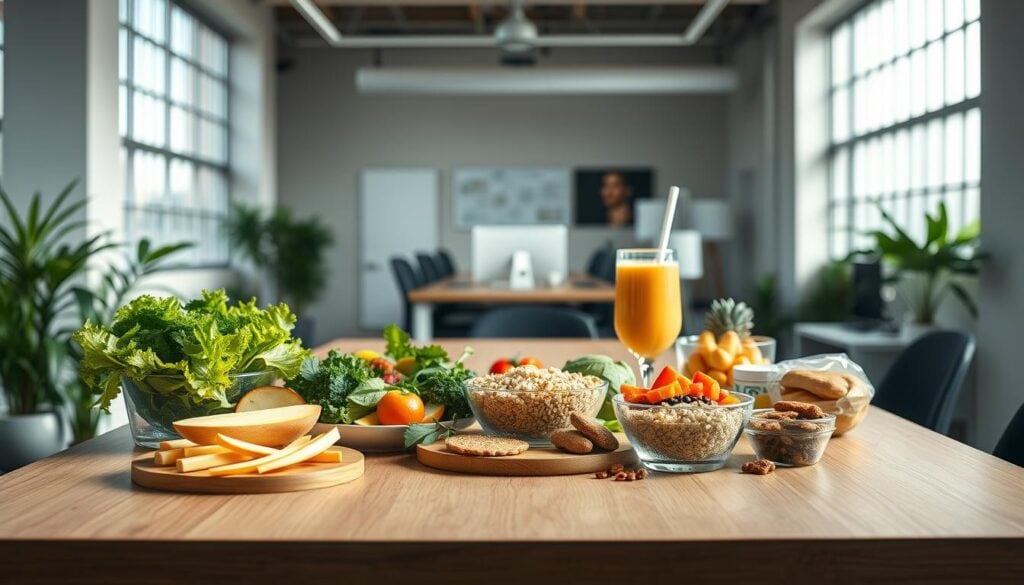
Choose formats that match your schedule: component-based grain bowls for variety, mason-jar salads for fridge-stable freshness, or tightly wrapped rolls for portability. Each format can be prepped to balance convenience with sustained energy.
Build-Ahead Salads and Grain Bowls
Prevent sogginess by separating wet ingredients and adding delicate greens at serving. Cook grains like quinoa or farro in bulk, roast vegetables, and portion proteins so you can assemble bowls in under two minutes.
Quick Mediterranean quinoa bowl (example): cooked quinoa, roasted tomatoes & olives, chopped cucumber, feta or chickpeas, lemon-olive oil dressing. Cooked quinoa contains about 8 grams of protein per cooked cup (USDA FoodData Central).
Versatile Sandwiches, Wraps, and Rolls
Most sandwiches taste best when assembled the same day, but you can speed mornings by prepping fillings in bulk. Try shredded chicken mixed with Greek yogurt, lemon, and herbs for a low-fuss filling that lasts several days.
Wraps usually travel better than regular bread—tight rolling and parchment keep them intact. For portability and same-day freshness, wraps are the clear winner; for longevity in the fridge, mason-jar salads win.
| Lunch Format | Prep Strategy | Shelf Life | Energy Sustainability |
| Grain Bowl | Component separation | 3–4 days | High (complex carbs + protein) |
| Mason Jar Salad | Layered assembly | 2–4 days | Medium-high |
| Sandwich/Wrap | Daily assembly / bulk fillings | Best same day | Medium (portable protein) |
Pro tips: pack dressing separately or keep it at the bottom of a jar, reheat grains before adding cold toppings for better texture, and rotate proteins (chicken, beans, tofu) to keep flavor fresh across the week.
Creative Dinner Recipes for Busy Evenings
By the time evening rolls around, decision fatigue and low energy make cooking feel like a mountain to climb. The goal is dinners that require minimal active time but still taste great and store well for lunches or future meals.
Use one-pot methods and intentional batch cooking to turn dinner from a daily chore into a weekly win.
One-Pot Meals and Freezer-Friendly Casseroles
One-pot dinners cut cleanup and concentrate flavor. Curries, stews, and simple skillet dishes often taste better after a day in the fridge because flavors meld—USDA/foodsafety guidance supports freezing cooked dishes for quality up to about three months (source: foodsafety.gov).
Quick coconut curry outline (easy recipe): sauté onion and garlic, add protein (chicken or chickpeas), stir in 1 can coconut milk, 1–2 cups chopped veggies, curry powder and salt, simmer 15–20 minutes; serve with brown rice. Reheat gently and add fresh herbs at serving for brightness.
Freezer casseroles are ideal for big-batch prep: invest 1.5–2 hours on the weekend and freeze single-portion trays. Keep in mind casseroles can be high in sodium and take freezer space—reduce salt and portion into meal-sized containers to mitigate those weaknesses.
Comfort Food with a Healthy Twist
You don’t need to sacrifice comfort for nutrition. Swap white rice for brown rice, bulk up with vegetables, and use lean proteins to create satisfying meals that reheat well.
Chicken curry is a dependable option: easy to scale, high in protein, and good for leftovers (yields 6–8 servings). The crockpot also shines: 10–15 minutes active prep, then your appliance does the work while you finish the day.
| Dinner Strategy | Servings Yield | Active Time | Notes |
| One-Pot Curry | 15–25 minutes | 4–8 | Efficient, flavor improves after sitting |
| Freezer Casserole | 45–90 minutes | 6–12 | Great longevity; mind freezer space & sodium |
| Crockpot Meal | 10–15 minutes prep | 6–8 | Low active time; set-and-forget |
Winner for weeknight efficiency: One-pot meals. Winner for long-term freezer storage: Freezer casseroles. When planning dinners, pick one of these strategies to match your available time and fridge/freezer capacity.
Smart Strategies for meal prep for work week
The most common failure in meal prep is planning that ignores your calendar. Aligning prep with your actual week—who’s out for dinner, which evenings are hectic—prevents wasted food and time.
Start by auditing your schedule: mark nights out and busy workdays, then choose how many home-cooked dinners and leftover-powered lunches you actually need.
Planning and Scheduling Your Meals
Use a calendar-first approach. Identify which evenings require cooking and which will be social or takeout nights, then slot recipes that fit those constraints. Dinners that intentionally produce lunch-worthy leftovers give you a higher cooking ROI.
Practical example: if you have two nights out, plan three cooked dinners and two lunches drawn from those dinners—this avoids overcooking and reduces waste.
Managing Ingredients and Portioning Meals
When multiple recipes share components like chicken or rice, shopping and prep become faster. Prep proteins, grains, and chopped vegetables in bulk so you can assemble varied meals quickly during the week.
Portion into individual containers to create grab-and-go lunches and to control servings—this small step cuts decision time and reduces spoilage.
| Planning Approach | Time Investment | Typical Outcome | Waste Impact |
| Calendar‑First | 1–2 hours/week | Meals match schedule | Reduced |
| Recipe‑First | 30–60 minutes | More variety but higher risk of waste | Moderate |
| No Planning | 0 minutes | Ad hoc meals; more takeout | Higher |
Batch Cooking and Ingredient Prep Tips
Decide between full batch cooking (complete meals) and modular ingredient prep (components). Both work; modular prep usually offers greater flexibility with less monotony.
One-hour Sunday ingredient prep—cooking grains, roasting vegetables, and shredding chicken—can reduce weeknight assembly from 45 minutes to about 15 minutes. For higher variety, combine big-batch proteins with rotated sauces.
Big-batch examples: cook 4–6 cups of rice, roast 2–3 pounds of chicken, and chop 2–3 pounds of mixed vegetables. Use those components across bowls, salads, and wraps for several meals.
Recommendation: use a hybrid approach—batch-cook 1–2 complete meals and prep components for 2–3 quick assemblies. That balances convenience and variety.
Grocery Shopping Strategies for Efficient Meal Prep
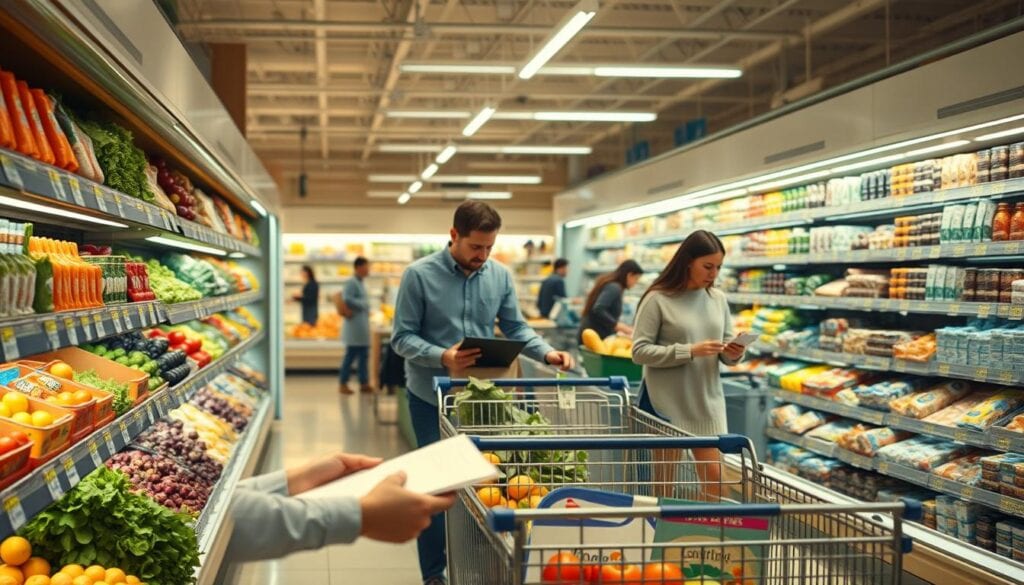
Start shopping with an inventory check of your pantry, fridge, and freezer to avoid duplicates. Build your list from your planned recipes so the list drives the trip—not impulse buys.
Creating an Effective Meal Plan
Select your recipes first, then extract ingredients to build a list organized by store section—produce, proteins, pantry. That order minimizes backtracking and cuts shopping time.
For beginners, block 30–40 minutes to plan and shop once a week. This single session pays off in daily time saved.
Shopping on a Budget
Prioritize ingredient overlap to buy in bulk—chicken, brown rice, beans—so you save per serving. Check unit prices at the store; larger packs often cost noticeably less per pound.
Choose versatile, low-cost staples like beans and eggs to stretch meals. Small changes in purchasing add up over a month.
| Shopping Approach | Average Time | Budget Effect | Waste |
| List‑Based | 30–40 minutes | Lower costs | Low |
| Browsing | 50–60 minutes | Higher costs | Higher |
Weekend action: block 2 hours—do an inventory, pick 2–3 recipes, and prep key components. That small investment aligns the week, reduces waste, and saves time.
Utilizing Leftovers and Repurposing Meals
Leftovers don’t have to be boring—or wasteful. Thoughtful repurposing turns last night’s dinner into a fresh, quick lunch with minimal effort, which increases the return on your weekend or evening prep.
Small switches (new sauce, fresh herbs, or a different grain) refresh flavors and prevent monotony: roasted chicken becomes chicken salad, roasted veg folds into a grain bowl, and stews can be slotted into wraps.
Transforming Dinner into Next-Day Lunch
Portion during dinner prep so lunch-ready containers are set aside before family meals—this simple habit prevents eaten-then-forgotten leftovers. Evaluate each dinner for its lunch potential; if a recipe yields reliably good reheated portions, plan to save at least one serving.
Proper storage matters: refrigerated cooked proteins and grains generally keep 3–5 days when cooled promptly and stored below 40°F (USDA food-safety guidance). Use airtight containers and label with dates to avoid guesswork.
- Quick repurpose ideas: roast chicken → chopped salad; grilled veggies → pita + hummus; curry → grain bowl with fresh greens.
- Fixes for texture loss: reheat gently with a splash of broth or sauce, then top with fresh herbs or acid (lemon, vinegar) to revive flavors.
The Power of Whole Grains and Lean Proteins
Base meals on durable whole grains and reliable proteins to simplify planning. These elements store well, assemble quickly, and mix-and-match across breakfasts, lunches, and dinners.
Versatile Grains for Every Meal
Whole grains provide steady energy and fiber. Cooked quinoa offers about 8 grams of protein per cooked cup (USDA FoodData Central), making it a particularly useful grain for higher-protein bowls.
Brown rice is cost-effective to batch-cook and reheats well; treat per-serving cost examples as approximations that vary by region and retailer.
High-Protein Additions for Sustained Energy
Aim for meals that include 20–30 grams of protein to maintain fullness and focus. Chicken is a versatile, budget-friendly option; plant proteins like beans and lentils are inexpensive ways to add protein and fiber.
Approximate examples: cooked black beans deliver notable protein and fiber per serving—costs will vary, but beans are often among the most budget-efficient protein choices.
| Grain | Protein (per cup cooked) | Best Uses |
| Quinoa | ~8 g | Bowls, salads, breakfast porridge |
| Brown rice | ~5 g | Curries, stir-fries, casseroles |
| Farro / Barley | ~4–6 g | Hearty bowls, salads |
Mix three grains with three proteins (for example: quinoa, brown rice, farro × chicken, beans, tofu) to create nine different bowls from the same prep work—this is a simple framework for variety without extra cooking.
Easy Vegetarian and Vegan Meal Prep Recipes
Plant-based prep often lasts longer in the fridge or freezer, so you can swap weekly sessions for monthly batch cooking when it fits your schedule. That extends variety, cuts cost, and supports nutritional diversity without daily effort.
Tofu and bean recipes are especially freezer-friendly and budget-wise; a simple tofu scramble delivers 10–12 grams of protein per serving and freezes well for future breakfasts or burritos.
Try the Mediterranean quinoa salad approach: cook the quinoa, roast tomatoes, and drain chickpeas ahead of time; combine with fresh herbs and a dressing at serving for a bright, ready lunch.
Quick vegan burrito tip
Assemble burritos with tofu scramble, black beans, rice, and a little salsa; wrap tightly and freeze. For best quality, label with date and use within a couple of months — freezer-storage guidance suggests this preserves texture and safety when done properly (source: foodsafety.gov).
Flavorful Sauces and Dressings to Elevate Dishes
A few homemade sauces multiply flavor across the week. Sauces change the experience of the same base ingredients, so batch three dressings and rotate them to keep bowls and salads interesting—shake before using if separation occurs.
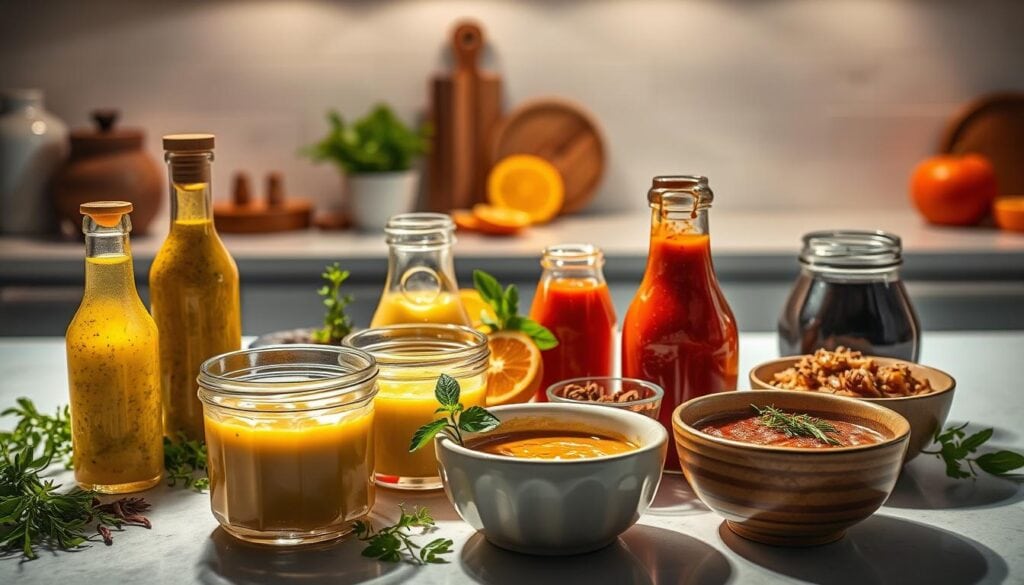
Three quick sauces (copyable)
- Tahini sauce: 3 tbsp tahini, 2 tbsp lemon juice, 2–4 tbsp water to thin, pinch salt — stores ~2 weeks refrigerated.
- Sesame-ginger: 2 tbsp soy sauce, 1 tbsp rice vinegar, 1 tsp sesame oil, grated ginger — stores ~1–2 weeks.
- Chipotle lime: 2 tbsp mayo or yogurt (plant-based), 1 tbsp chipotle in adobo, lime juice — stores ~1 week refrigerated.
Most simple oil-and-acid vinaigrettes keep about two weeks refrigerated; dairy or fresh-herb-rich sauces are shorter-lived, so label and use accordingly (source: foodsafety.gov).
Creating Balanced Grab-and-Go Lunches
For no-fridge days, pre-portioned snack plates or tightly wrapped rolls are the safest picks. For variety in the fridge, mason-jar salads win for freshness because layering prevents sogginess.
Pre-Portioned Snack Plates
Assemble five plates on Sunday with veggies, cheese or hummus, nuts, and a protein like marinated beans—these are an “adult Lunchables” that require zero morning cooking.
Innovative Salad Jar Combinations
Layer jars: dressing bottom, sturdy veggies, grains or beans, protein, greens on top. Properly built jars keep well for about 4–5 days.
Greek-yogurt bowls are another fast option—batch toppings like granola and fruit so assembly takes 30 seconds.
Essential Meal Prep Tools and Containers
Not all containers are equal. The right tools speed assembly, protect food quality in the fridge, and reduce cleanup time so your meal prep actually fits into a busy week.
Glass containers offer long-term durability and don’t absorb odors or stains like some plastics; treat their longevity as generally greater than typical single-use plastics rather than a fixed lifespan. Use stackable, same-size containers to maximize fridge real estate and make organized storage simple.
Mason jars pull double duty for salads and overnight oats, saving space and reducing the total number of containers you need.
“Five versatile container types typically handle 90%+ of weekly prep needs without clutter.”
| Container Type | Primary Use | Space Efficiency | Practical Note |
| Glass bowls with lids | Microwave reheating, meals | High (stackable) | Durable; avoid thermal shock |
| Mason jars | Salads & overnight oats | Vertical storage | Great for layerable meals |
| Bento boxes | Compartmentalized lunches | Compact | Good for variety without mixing |
| Freezer-safe trays | Single-portion freezing | Space-efficient | Label with date/contents |
Toolkit checklist (practical): 6–8 glass meal bowls, 4–6 mason jars, 4 bento boxes, 6 freezer trays, and a small spice/topping kit. This inventory supports a week of prep with fewer midweek washes.
Managing Leftover Waste and Sustainability in Meal Prep
Reducing food waste protects both your budget and the environment. Understanding storage timelines and proper techniques prevents spoilage and keeps food safe.
Storage and safety basics
Refrigerate perishable foods promptly and maintain your fridge at or below 40°F. The USDA recommends using most cooked leftovers within 3–4 days for safety; many cooked grains and sturdier prepared items can last up to 5–7 days depending on handling (source: foodsafety.gov).
Freezer use converts weekly prep into monthly strategy—properly packed portions maintain quality for about three months for many cooked dishes (source: foodsafety.gov). Label items with date and contents.
| Food Category | Refrigerator Life | Freezer Life | Tip |
| Cooked proteins | 3–4 days (USDA) | ~3 months | Cool fully before sealing |
| Cooked grains | 4–7 days | ~3 months | Store airtight |
| Leafy greens | 3–7 days | Not recommended | Keep dry; use paper towels |
| Soups & stews | 3–4 days | ~3 months | Freeze in portions |
Sustainability tip: favor reusable containers over single-use plastics to cut packaging waste; small changes in container choice and portioning reduce overall meal-prep friction and make the system easier to maintain.
Practical routine: schedule a 20–30 minute nightly or midweek wash/rotation so 8–10 lunch containers and 6–8 dinner vessels are available each week without frantic cleaning.
Managing Leftover Waste and Sustainability in Meal Prep
Food waste undermines both the economic and environmental benefits of meal prep. The right storage habits and portioning prevent spoilage, save money, and keep your system working week after week.
Understand basic timelines and store items correctly: many cooked proteins and mixed dishes are best used within 3–4 days in the fridge, while some cooked grains and sturdier meals can last 4–7 days depending on handling and temperature (source: foodsafety.gov).
Tips for Storing and Freezing Prepared Meals
Freezing converts weekly prep into a monthly strategy. Properly cooled and packed portions of soups, stews, and casseroles maintain quality for about three months when stored appropriately (source: foodsafety.gov).
Adopt a simple rule: keep 3–4 days of fresh-prepped meals in the fridge and 1–2 frozen backups for busier stretches. Cool food fully before sealing containers, label with dates, and keep your fridge at or below 40°F to maximize safety.
Small techniques make a big difference: use airtight containers, squeeze an acid (lemon or vinegar) over cooked vegetables before storing to preserve color, and add a splash of broth when reheating proteins to restore moisture.
| Food Category | Refrigerator Life | Freezer Life | Critical Storage Tip |
| Cooked Proteins | 3–4 days | ~3 months | Cool fully, store airtight |
| Cooked Grains | 4–7 days | ~3 months | Store dry and airtight |
| Leafy Greens | 3–7 days | Not recommended | Keep dry; use paper towels |
| Soups & Stews | 3–4 days | ~3 months | Freeze in portions |
Weekend batch-cooking should target Tuesday–Friday consumption; plan Monday as either a fresh-cook or a leftovers day. This cadence reduces midweek spoilage and keeps variety high.
Sustainability also means ditching single-use packaging: switching to reusable containers cuts ongoing waste and supports the long-term savings of your meal prep system.
Conclusion
Start small and practical: choose two make-ahead recipes and block two hours this weekend to prep components. That single action is the easiest way to begin saving time and money while improving daily nutrition.