

We’ve cut through the marketing noise to find companies delivering real environmental impact. Many labels claim eco-friendly credentials, but few back them with measurable results.
Our analysis reveals what separates genuine leaders from greenwashing imitators. Authentic companies distinguish themselves through transparent supply chains and verifiable labor practices.
The market has evolved dramatically. Over 62 companies now earn “Good” or “Great” ratings from independent systems evaluating hundreds of sustainability metrics.
We focus on wardrobe essentials that transition seamlessly from office to after-hours. These pieces maintain rigorous environmental standards while delivering professional polish.
This guide provides actionable intelligence for building a conscious wardrobe. We prioritize durability, versatility, and true environmental impact over empty marketing claims.
Key Takeaways
- Authentic companies use transparent supply chains and certified materials
- Independent rating systems evaluate over 100 key sustainability issues
- Focus on wardrobe essentials that work from office to after-hours
- Prioritize durability and versatility for better wardrobe ROI
- Look for verified labor practices and manufacturing transparency
- The clothing industry accounts for significant global carbon emissions
- Supporting verified companies creates measurable environmental change
Introduction to Sustainable Fashion and Ethical Apparel
Three measurable pillars separate authentic eco-conscious companies from imitators. The traditional extract-make-dispose model no longer meets modern expectations for responsible production. We see a fundamental shift toward circular systems that prioritize longevity and ethical labor.
The data reveals clear advantages for conscious apparel. Certified organic materials and recycled fabrics significantly reduce water consumption and carbon emissions. These choices create tangible environmental benefits compared to conventional clothing production methods.
Our evaluation framework assesses three critical areas: people, planet, and animal welfare. This approach ensures comprehensive impact analysis beyond superficial marketing claims. Verifiable metrics include fair labor conditions, resource management, and ethical treatment standards.
Professional demand drives industry transformation as buyers recognize their purchasing power. Transparent companies disclose manufacturing locations and material sourcing details. This allows informed decisions based on factual impact data rather than empty promises.
What Makes a Fashion Brand Truly Sustainable?
The distinction between authentic ecological stewardship and superficial greenwashing lies in verifiable data points spanning labor, resources, and transparency. We evaluate companies against rigorous frameworks that measure concrete outcomes rather than aspirational claims.
Environmental Impact and Resource Management
Leaders in this space demonstrate measurable reductions in their environmental footprint. They implement systems for water recycling, renewable energy adoption, and waste minimization throughout production cycles.
Our assessment examines specific metrics that separate committed companies from those making empty promises. The table below shows key areas where genuine commitment becomes visible:
| Assessment Area | Leader Practices | Laggard Indicators |
|---|---|---|
| Water Management | Closed-loop systems, recycling | High consumption, pollution |
| Carbon Emissions | Renewable energy, offset programs | Fossil fuel dependency |
| Chemical Use | Non-toxic, certified substances | Hazardous chemical disposal |
| Waste Generation | Circular production models | Landfill contributions |
Ethical Labor and Fair Trade Practices
True commitment extends beyond environmental metrics to include social responsibility. We prioritize companies with independently audited labor conditions and fair compensation structures.
Verification requires evidence of living wage payments, safe working environments, and prohibition of forced labor. These practices create tangible social impact while supporting long-term business sustainability.
Spotlight on Sustainable Fashion Brands
We’ve applied rigorous evaluation frameworks to identify 62+ US-based apparel companies that meet stringent environmental and social standards. These manufacturers earn “Good” or “Great” ratings through comprehensive assessment systems examining over 100 sustainability criteria.
Curated Lists with Rigorous Ratings
Our approach saves time by filtering out greenwashing. Every featured company undergoes independent assessment of environmental impact, labor practices, and material sourcing.
The methodology examines measurable criteria: percentage of sustainable materials used, third-party certifications obtained, documented labor practices, and supply chain transparency levels. We focus on verifiable commitments requiring independent auditing.
Local and American-Made Innovations
Domestic production offers distinct advantages. Shorter supply chains reduce carbon footprint while local manufacturing enables better labor oversight.
Companies like Proclaim (LA-based, using recycled materials) and Harvest & Mill (exclusively US-grown organic cotton) demonstrate how domestic production delivers both quality and accountability. Female-founded labels represent significant innovation in this space.
American-made apparel proves sustainability and creativity aren’t mutually exclusive. From upcycled materials to plant-dyed fabrics, these manufacturers show genuine ecological commitment.
Exploring Certified Organic and Recycled Materials
Forward-thinking manufacturers are redefining quality through certified organic and recycled textiles. These materials deliver measurable environmental advantages while maintaining professional standards.
Benefits of Certified Organic Fabrics
Certified organic fabrics demonstrate superior ecological performance. GOTS-certified organic cotton consumes 91% less water than conventional alternatives.
Harvest & Mill exemplifies this approach with undyed, unbleached cotton. Their commitment to American organic farmers supports biodiversity through diverse cotton cultivation.
| Material Attribute | Conventional Materials | Certified Organic |
|---|---|---|
| Water Consumption | High usage, pollution risk | 91% reduction, recycling systems |
| Chemical Applications | Synthetic pesticides, fertilizers | Natural methods, soil health focus |
| Production Impact | Energy intensive processes | Renewable energy integration |
| Long-term Sustainability | Soil degradation concerns | Regenerative farming practices |

Innovative Uses of Recycled and Deadstock Materials
Recycled materials transform waste into premium textiles. Proclaim converts plastic bottles into performance fabrics, reducing landfill contributions.
Deadstock materials represent another creative solution. WE-AR4 rescues luxury leathers from other manufacturers, giving them new purpose.
These approaches demonstrate tangible resource efficiency. Recycled fabrics require significantly less energy than virgin materials while maintaining durability.
The Role of Supply Chain Transparency in Sustainable Clothing
True accountability in clothing production begins where most companies stop: deep within their supply chains. We prioritize manufacturers that disclose their entire production journey from raw materials to finished garments.
Leading companies demonstrate commitment through regular supplier visits and published factory lists. Proclaim ensures living wages at its California facilities through consistent oversight.
Ethical Sourcing and Manufacturing Processes
Ethical sourcing extends beyond environmental concerns to create meaningful social impact. Parker Clay partners with Ethiopia’s Ellilta Women at Risk program, providing stable income for women escaping exploitation.
Transparent manufacturing practices reveal the true human cost of production. We evaluate whether companies conduct factory audits, pay living wages, and ensure safe working conditions.
Technology now enables unprecedented traceability. Chloé’s digital IDs allow customers to track garments from origin to resale through Vestiaire Collective.
Refugee employment initiatives like Neococo’s hand embroidery program show how transparent operations create economic independence. These practices build community support for vulnerable populations while delivering quality clothing.
Reducing Carbon Footprints in the Fashion Industry
The path to meaningful climate impact in clothing production requires more than vague promises; it demands concrete, time-bound targets. The apparel sector generates approximately 10% of global carbon emissions, but leading companies demonstrate significant reductions are achievable.
Innovative Approaches to Lower Emissions
We prioritize manufacturers with science-based targets and verification mechanisms. Reformation aims for climate positive status by 2025, while Ganni committed to 50% greenhouse gas cuts by 2027.
Material selection profoundly impacts carbon footprint. Recycled materials deliver immediate benefits by eliminating energy-intensive extraction. Switching to recycled polyester reduces emissions by approximately 32% per kilogram.
Local manufacturing significantly cuts transportation-related carbon. Companies like MATE the Label produce in California to minimize their environmental impact. This approach enables better oversight of production practices.
| Reduction Strategy | Carbon Impact | Leading Examples |
|---|---|---|
| Renewable Energy Adoption | Eliminates fossil fuel dependency | LA Relaxed uses renewable energy throughout supply chain |
| Recycled Materials | 32% reduction vs virgin materials | Patagonia uses organic and recycled materials extensively |
| Local Manufacturing | Reduces transportation emissions | California-based production minimizes carbon footprint |
| Science-Based Targets | Measurable, verified reductions | Stella McCartney’s net-zero goal includes Scope 3 emissions |
The most effective companies combine emissions reduction with offset programs. Patagonia’s 1% for the Planet commitment directs funds to grassroots environmental nonprofits. This creates impact beyond direct operations.
Innovative strategies include plant-based dyes and closed-loop systems. These approaches recapture and reuse energy while eliminating synthetic dye production. The result is tangible carbon reduction across the entire production cycle.
Embracing Slow Fashion for Timeless Wardrobe Essentials
Limited production runs represent a fundamental shift from mass-market waste to intentional manufacturing. We see companies like Katla implementing anti-waste principles across their entire collection.
This approach ensures every garment serves a purpose. Sézane’s limited-quantity strategy means nothing goes unsold or unworn.
Long-Term Benefits of Reduced Production Cycles
Reduced cycles create better unit economics for both manufacturers and consumers. Brands avoid markdown waste while maintaining pricing integrity.
The data reveals clear advantages for intentional production. ABLE’s lifetime guarantee demonstrates confidence in their clothing quality.
Timeless design transcends seasonal trends, creating wardrobe pieces that remain relevant for years.
This philosophy aligns perfectly with professional needs. Versatile basics transition seamlessly across occasions without constant replacement.
Quality Over Quantity in Clothing Collection
Superior construction justifies higher initial investment through extended useful life. Reinforced seams and premium hardware withstand regular wear.
Our analysis shows clear cost-per-wear advantages. Consider this comparison of wardrobe investment strategies:
| Investment Approach | Initial Cost | Wears per Item | Cost per Wear |
|---|---|---|---|
| Slow Fashion Quality | $200 sweater | 200 wears | $1.00 |
| Fast Fashion Quantity | $50 sweater | 20 wears | $2.50 |
Brøgger exemplifies this mindset. They design for longevity using organic and recycled materials.
The result is a cohesive wardrobe where pieces work together season after season. This approach delivers both style and substance.
Supporting Local and Locally Made Brands
Geographic proximity transforms supply chain accountability from abstract concept to tangible reality. We prioritize manufacturers with verifiable local commitments because proximity enables oversight that distant networks cannot match.
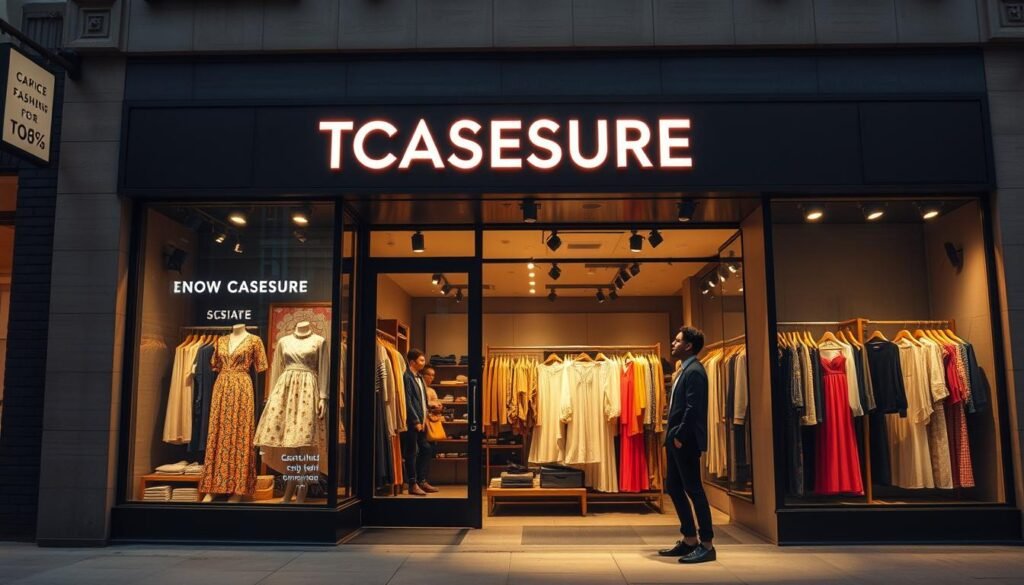
Proclaim’s California factory pays living wages with regular oversight. Harvest & Mill operates a completely domestic supply chain—grown, milled, and sewn exclusively in the US. This approach supports American organic cotton farmers while eliminating international shipping emissions.
Local production delivers measurable advantages across multiple dimensions:
| Manufacturing Approach | Carbon Footprint | Labor Oversight | Community Impact |
|---|---|---|---|
| Local Production | Reduced transportation | Direct factory access | Local job creation |
| Global Supply Chain | High shipping emissions | Limited visibility | Distant economic benefits |
Brands like MATE the Label and The Classic T-Shirt Company demonstrate that local manufacturing doesn’t sacrifice style. Their California-based operations produce premium pieces with superior ecological credentials.
Even companies with international partnerships, like Parker Clay working with Ethiopian communities, maintain transparency through regular visits and documented development initiatives. Supporting local creates employment while reducing environmental costs.
Fashion Industry Innovations and Material Sourcing Strategies
Material innovation now accelerates beyond simple recycled content into bio-fabrication and ancient craft. We see two powerful paths converging: technological breakthroughs and time-tested artisan methods. Both deliver superior ecological and social returns.
This dual approach creates a more resilient apparel sector. It combines cutting-edge science with proven human skill.
Emerging Technologies in Fabric Development
Breakthrough materials solve longstanding environmental challenges. VEERAH creates shoes from apple peel leather with algae-bloom insoles. Ganni’s initiative explores bacteria-grown alternatives.
Stella McCartney pioneers plastic-free Mirum and seaweed-based Kelsun fibers. These innovations demonstrate performance without compromise.
Threads 4 Thought uses TENCEL Modal from beech trees where 95% of production materials are recovered. This closed-loop system represents the future of responsible fabric creation.
The economic case strengthens as production scales. Early adopters prove commercial viability for entire industry followers.
| Innovation Type | Key Advantage | Leading Example |
|---|---|---|
| Bio-Fabrication | Eliminates petroleum dependency | Ganni’s bacteria-grown leather |
| Closed-Loop Systems | 95% material recovery rate | TENCEL Modal production |
| Plant-Based Alternatives | Renewable feedstock | VEERAH’s apple peel leather |
Traditional Artisan Techniques Reinvented
Centuries-old methods offer inherently low-impact production. Studio 189 partners with artisans in Ghana, Mali and Burkina Faso. They preserve hand-batik, hand-painting and handweaving techniques.
These approaches create distinctive products with cultural authenticity. The hand-crafted process delivers social impact through stable artisan income.
Parker Clay preserves Ethiopian techniques while applying modern business practices. Chopova Lowena incorporates folkloric designs with Bulgarian artisan sourcing.
This fusion of heritage and contemporary design drives meaningful global apparel transformation. Artisan partnerships prove ethics and aesthetics aren’t mutually exclusive.
The Influence of Deadstock and Upcycled Materials in Design
We’re witnessing a design revolution powered by materials that already exist. This approach bypasses virgin resource extraction, creating distinctive pieces with immediate environmental ROI.
Deadstock represents a massive untapped resource. These high-quality fabrics and leathers are leftovers from overproduction.
Designers like WE-AR4 “thrift” these premium materials, transforming them into new collections.
Creative Upcycling Methods
Conner Ives demonstrates the creative potential of upcycled designs. His signature T-shirt dresses, worn by celebrities, prove style requires no compromise.
Marine Serre’s “regenerate” philosophy incorporates about 50% upcycled content. The result is patchwork pieces that command attention.
The economics favor this model. Acquiring premium deadstock at reduced cost enables better margins.
This method delivers tangible impact from day one. It diverts materials from landfills and eliminates the energy cost of new production.
Brands like Ahluwalia turn material constraints into aesthetic advantages. They create trademark printed designs from recycled and organic sources.
Gabriela Hearst brought deadstock to the runway, granting it high-end legitimacy. This proved upcycled pieces can compete at luxury levels.
Style Meets Sustainability for the Eco-Conscious Professional
Professional style no longer requires choosing between aesthetics and ecological responsibility. The best clothing collections now deliver both visual appeal and verifiable impact. We prioritize manufacturers that understand this dual mandate.
Versatile Wardrobe Staples for Every Occasion
Versatile pieces form the foundation of efficient professional dressing. A single dress should transition from client meetings to dinner engagements. This approach maximizes wardrobe utility and minimizes consumption.
Everlane’s eco-conscious staples demonstrate this principle perfectly. Worn by style influencers like Taylor Swift, their basics work across multiple settings. MATE the Label creates clean essentials with similar versatility.
| Wardrobe Approach | Number of Occasions | Cost Per Wear |
|---|---|---|
| Versatile Staples | 5+ uses | Under $2.00 |
| Occasion-Specific | 1-2 uses | $10.00+ |
Inclusive Sizing and Contemporary Designs
True commitment shows in sizing accessibility. Brands like Altar Houseline (S-6XL) and Subset (2XS-4XL) serve diverse professionals. This reflects genuine inclusivity rather than token efforts.
Proclaim builds color inclusivity directly into their designs. Their three nude shades accommodate various skin tones. Katla’s modern aesthetic offers Nordic-inspired essentials in sizes 2XS-XL.
Contemporary designs prove ethical production enhances rather than limits creativity. Reformation’s California style has achieved cult status. SS Daley attracts high-profile fans like Harry Styles with distinctive pieces.
Ethical and Fair Trade Practices in Apparel Production
Fair trade certification represents more than a label—it’s a commitment to measurable social impact across the supply chain. We prioritize companies like Mightly and Terra Thread that achieve Fair Trade USA certification through rigorous third-party audits.
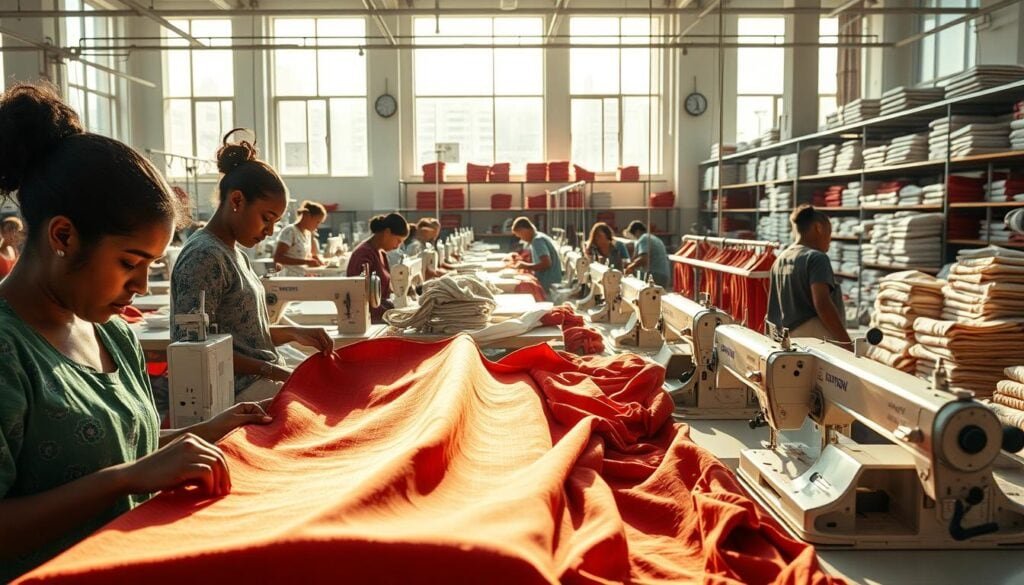
These practices ensure living wages, safe facilities, and community development funds. Leading brands demonstrate comprehensive commitment through multiple certifications.
Threads 4 Thought combines Fair Trade USA with Worldwide Responsible Accredited Production standards. Outerknown pairs Bluesign certification with Fair Labour Association partnership.
Ethical production extends to vulnerable populations. Neococo’s hand embroidery program creates jobs for women refugees. Parker Clay partners with Ethiopia’s Ellilta Women at Risk program.
ABLE pays living wages to women facing extraordinary circumstances. This separates ethical leaders from minimum compliance companies.
| Certification Standard | Key Requirements | Verified Brands |
|---|---|---|
| Fair Trade USA | Living wages, safe conditions, community funds | Mightly, Terra Thread, Subset |
| Worldwide Responsible Accredited Production | Labor standards, ethical treatment | Threads 4 Thought |
| Fair Labour Association | Comprehensive workplace standards | Outerknown |
ARTICLE22 preserves traditional hand-crafted techniques in Laos using recycled materials. These practices combine cultural preservation with ethical production.
We evaluate outcomes, not just policies. Documented wage levels and community impact metrics reveal genuine commitment versus superficial compliance.
Enhancing Your Wardrobe with Timeless Sustainable Pieces
Building a professional wardrobe that lasts requires a fundamental shift from trend-chasing to investment thinking. We focus on pieces designed for longevity rather than temporary style appeal.
Quality manifests in details that extend garment life. Reinforced stress points and premium hardware distinguish enduring clothing from disposable alternatives.
ABLE demonstrates this commitment with lifetime guarantees. Their thoughtful design and construction confidence separates authentic quality from marketing claims.
Strategic selection maximizes wardrobe utility. Asket’s pursuit of “the perfect essential wardrobe” focuses on interchangeable pieces that work across professional contexts.
Material selection profoundly impacts longevity. Brøgger proves durability and ecological responsibility complement each other through organic and recycled materials.
Limited-quantity production ensures focus on quality. Sézane’s Gaspard cardigan becomes a wardrobe workhorse through classic design that remains relevant season after season.
Fair Indigo’s organic Peruvian Pima cotton essentials are crafted to endure beautifully. Their approach prioritizes longevity from material selection through construction.
Bite Studios adds subtle twists to classic silhouettes. This creates garments that feel current without being trend-dependent.
The result: superior long-term value through extended wear cycles. This approach eliminates constant replacement expenses while delivering consistent professional presentation.
Balancing Cost and Quality in Sustainable Clothing
The myth that ethical apparel requires luxury budgets collapses when examining today’s expanded market. We find quality options across all price points, from Organic Basics’ £17 tees to Gabriela Hearst’s £2,290 luxury pieces.
True value emerges through cost-per-wear analysis. A £95 Sézane cardigan worn 100 times delivers £0.95 per wear—far superior to fast fashion’s £2 per wear economics.
| Price Tier | Investment Range | Leading Examples |
|---|---|---|
| Affordable | £17-£99 | Organic Basics, Ninety Percent, Patagonia |
| Contemporary | £350-£800 | Another Tomorrow, Bite Studios, ELV Denim |
| Luxury | £1,000+ | Stella McCartney, Chloé, Gabriela Hearst |
We recommend a portfolio approach to wardrobe building. Invest in luxury for timeless classics, choose contemporary for statement pieces, and rely on affordable options for basics.
Quality indicators justify price differences. Examine fabric weight, seam construction, and hardware quality. These tangible factors predict garment longevity and validate investment decisions.
The market’s expanded range makes ethical choices accessible to all professionals. Strategic selection across tiers builds a versatile wardrobe without compromising principles.
Practical Tips for Building a Sustainable Fashion Collection
Building an ethical clothing collection requires more than good intentions—it demands a systematic approach. We focus on actionable strategies that deliver measurable results.
Curating a Conscious Wardrobe
Start with a thorough audit of your existing clothes. Identify gaps and prioritize versatile pieces that integrate seamlessly. This prevents wasteful purchases.
Invest in quality foundations from companies like The Classic T-Shirt Company. Their basics anchor diverse outfits while minimizing environmental impact.
Evaluate each new addition against strict criteria. Will it work with five existing items? Can you commit to thirty wears? This ensures maximum utility.
Smart Shopping Strategies and Budgeting
Use independent rating systems like Good On You’s directory. They evaluate over 100 sustainability issues, cutting through greenwashing with evidence-based assessments.
Budget allocation should prioritize cost-per-wear over upfront price. Frequently worn items deserve greater investment than occasional pieces.
| Investment Category | Budget Priority | Expected Wears |
|---|---|---|
| Work Essentials | High | 100+ wears |
| Seasonal Items | Medium | 30-50 wears |
| Special Occasion | Low | 5-10 wears |
Support companies with circular practices. Chloé’s digital IDs facilitate resale, while Subset recycles old garments into insulation. Patagonia’s 1% for the Planet donations extend your purchase impact.
Transition gradually as you replace worn items. The most sustainable garment remains the one you already own.
Conclusion
Your purchasing power now drives meaningful industry transformation. We’ve equipped you with evidence-based tools to identify companies delivering genuine ecological and social returns.
Strategic selection separates wardrobe upgrades from empty gestures. Focus on verifiable credentials—third-party certifications, transparent supply chains, and ethical labor practices.
The landscape offers quality options across all price points. This makes the shift from disposable clothing not a sacrifice, but a clear upgrade in value and impact.
Your professional presentation now aligns with planetary responsibility. Continue evaluating new materials and improved practices as this sector evolves rapidly.
The bottom line: conscious apparel delivers superior ROI through durability, versatility, and measurable positive change. Your choices create market pressure for better industry standards.
FAQ
What does it mean for clothing to be made using certified organic materials?
Certified organic materials, like cotton, are grown without synthetic pesticides or fertilizers. This approach protects soil health and water systems. We prioritize these fabrics because they offer a cleaner alternative for both the planet and the people wearing the garments.
How do recycled fabrics and deadstock materials reduce the apparel industry’s impact?
Using recycled and deadstock materials directly cuts down on waste and carbon emissions. Instead of creating new resources, we give existing materials a new life. This strategy is a core part of our effort to lower the overall carbon footprint of our collection.
Why is supply chain transparency so important for a clothing label?
Transparency allows us to verify ethical labor practices and responsibly sourced materials from start to finish. We control every step, ensuring fair treatment for workers and minimizing environmental harm. It’s how we build trust and guarantee the quality of our pieces.
What are the long-term benefits of investing in slow fashion pieces like durable jeans and dresses?
Slow fashion focuses on timeless designs and superior quality, meaning clothes last for years. This reduces the need for frequent replacements, saving you money and lessening your wardrobe’s impact. It’s a smarter approach to building a collection of versatile staples.
How can I identify genuinely responsible apparel brands versus those just using "sustainability" as a marketing term?
Look for concrete evidence: certifications for organic materials, detailed supply chain disclosures, and clear data on carbon reduction. We share our practices openly, from material sourcing to manufacturing, to demonstrate a real commitment beyond marketing hype.