
Cut through the noise. Despite decades of use since the 1960s, this framework remains one of the most powerful strategic planning tools available. It delivers what entrepreneurs and managers actually need: a clear-eyed assessment of your current position and future market direction.
The acronym SWOT stands for Strengths, Weaknesses, Opportunities, and Threats. These four quadrants work together to paint a comprehensive picture of your competitive landscape. We’ll show you how real companies turned these insights into measurable growth.
Forget theoretical frameworks that collect dust. This guide focuses on actionable intelligence you can implement immediately. Strategic planning without this tool is like navigating without a map—you might reach your destination, but you’ll waste precious time and resources getting there.
Key Takeaways
- SWOT analysis provides a comprehensive view of your competitive position
- The framework assesses internal strengths and weaknesses alongside external opportunities and threats
- Real-world applications transform strategic insights into measurable business growth
- This tool helps avoid wasted resources by providing clear directional guidance
- Actionable intelligence enables immediate implementation for decision-making
- The methodology remains relevant decades after its development
- Strategic planning becomes more efficient with this structured approach
Understanding SWOT Analysis and Its Key Components
Many strategic tools promise clarity, but few deliver the immediate impact of this framework. We use it because it provides a structured way to assess your current position. The methodology breaks down complex situations into manageable parts.
Defining Strengths, Weaknesses, Opportunities, and Threats
Strengths are your internal advantages. These include proprietary technology or exceptional customer service. They represent what you do better than competitors.
Weaknesses are internal limitations that hinder performance. These might be outdated systems or resource gaps. Addressing them directly improves your competitive position.
Opportunities arise from external market conditions. Emerging trends or regulatory changes create potential for growth. Leveraging these requires aligning your capabilities.
Threats come from outside your organization. New competitors or economic shifts pose risks. You must adapt rather than control these external factors.
| Factor Type | Characteristics | Strategic Approach |
|---|---|---|
| Strengths (Internal) | Controllable advantages | Leverage and maximize |
| Weaknesses (Internal) | Addressable limitations | Improve or mitigate |
| Opportunities (External) | Favorable conditions | Capitalize and expand |
| Threats (External) | Uncontrollable risks | Adapt and prepare |
The Role of Internal and External Factors
Internal factors reside within your organization. You have direct control over strengths and weaknesses. This allows for immediate action and resource allocation.
External factors operate outside your control. Opportunities and threats require strategic adaptation. Understanding this distinction prevents wasted effort.
The framework’s power comes from connecting these elements. Your strengths should target specific opportunities. Meanwhile, you must protect weaknesses from external threats.
The Origins and Evolution of SWOT Analysis
The story of SWOT analysis begins not with a complex theory, but with a practical need for clearer corporate planning in the 1960s. We trace its roots to the Stanford Research Institute, where a team led by Albert Humphrey sought a better way to tackle long-range planning.
Historical Background and Development
Humphrey and his colleagues originally developed a framework called SOFT analysis. This stood for Satisfactory (current good points), Opportunities, Faults (current problems), and Threats. It was a tool for large enterprises to systematically evaluate their position.
The core concept was revolutionary. It forced management to look inward and outward simultaneously. This balanced perspective was the foundation for what would become a global standard in business education and practice.
How the Framework Has Adapted Over Time
The evolution from SOFT to SWOT was a critical refinement. Practitioners replaced “Satisfactory” with “Strengths” and “Faults” with “Weaknesses.” This created more actionable and empowering categories for strategic planning.
Its simplicity fueled its spread from corporate boardrooms to MBA curricula worldwide. The framework’s longevity is its greatest endorsement. While management fads come and go, this tool persists because it answers fundamental questions about competitive position.
Today, businesses pair traditional SWOT sessions with digital tools and real-time data. This modern application extends beyond corporate strategy to product launches and market entry decisions. The core principles remain unchanged, proving the tool’s incredible adaptability.
Benefits of a SWOT Analysis in Strategic Planning
We prioritize tools that create tangible business impact, not theoretical exercises. The framework’s true value lies in its practical application across your organization.
It forces a holistic examination that most teams skip. You simultaneously assess internal capabilities and external market conditions.
Identifying Areas for Business Growth
This methodology reveals growth opportunities you’re actually positioned to capture. It connects your strengths to specific market openings.
You might discover untapped potential in existing customer relationships. Or identify adjacent markets where your capabilities provide competitive advantage.
The process distinguishes high-impact opportunities from distracting noise. This clarity prevents wasted resources on pursuits misaligned with your core strengths.
Enhancing Decision-Making and Risk Management
Strategic choices improve when you understand your limitations alongside external threats. The framework provides a structured view of trade-offs.
Risk management becomes proactive rather than reactive. You identify potential threats months before they impact performance.
Teams achieve alignment when everyone contributes to the same assessment. This shared understanding creates organizational cohesion around priorities.
The approach works across scenarios—from product launches to market expansions. Its flexibility makes it valuable for ongoing strategic planning.
How to Conduct a Comprehensive SWOT Analysis
Most strategic plans fail at the execution stage; our method ensures your SWOT analysis becomes a living document, not a forgotten report. The real value emerges from a disciplined, collaborative process.
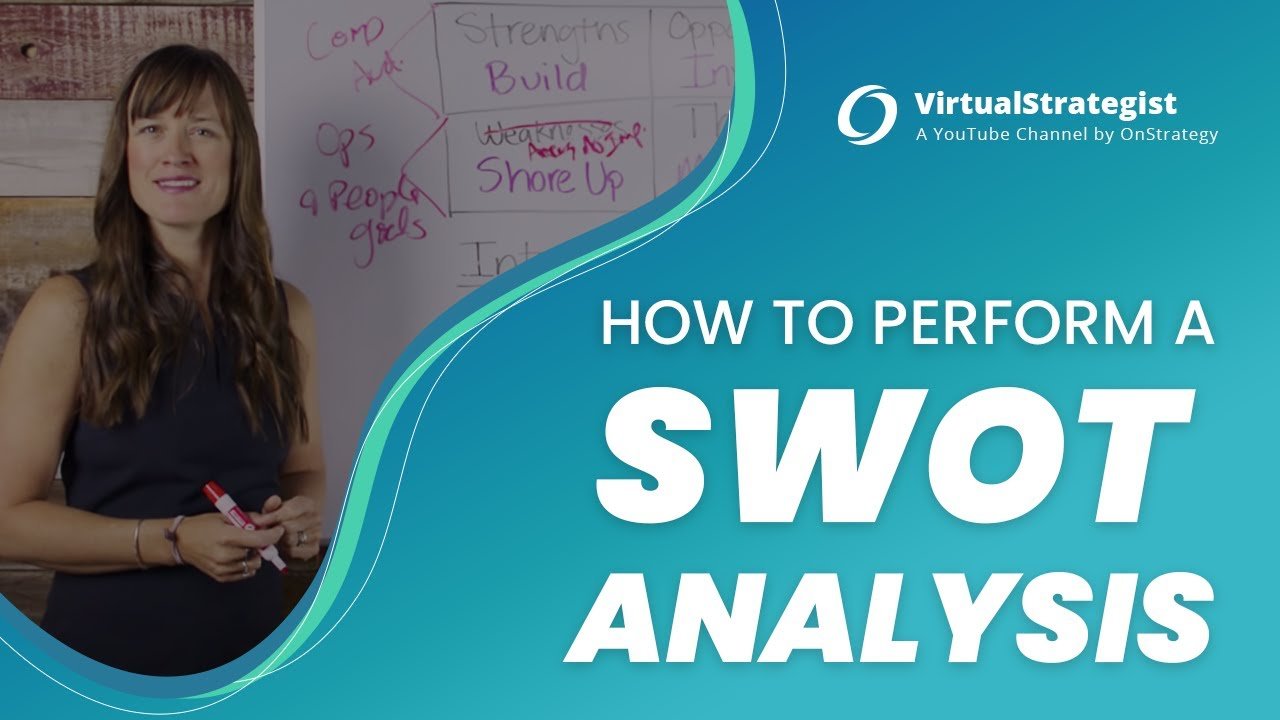
We begin by assembling the right team. Gather 8-10 people from different departments and levels. Frontline employees often spot emerging patterns before leadership does.
The next critical step is defining your scope with precision. Are you assessing the entire company or a specific product line? Clear boundaries prevent analysis paralysis and keep the session focused.
Step-by-Step Guide from Brainstorming to Prioritization
Effective brainstorming requires asking the right questions. For strengths, probe: What do we do better than anyone else? Which metrics consistently outperform rivals? Specificity is everything.
Identifying weaknesses demands brutal honesty. Vague statements are useless. Instead, pinpoint exact limitations like “customer service response time lags behind industry average.” This clarity drives meaningful action.
After populating all four quadrants, synthesize the findings in a matrix. Look for patterns. How can strengths seize opportunities? How can you protect weaknesses from external threats?
The final step is prioritization. Rank each factor by impact and feasibility. This creates a clear plan, directing resources to the highest-value actions and ensuring the analysis delivers tangible results.
swot analysis examples: Real-World Case Studies
We move beyond theory with concrete business scenarios where strategic planning delivered measurable outcomes. These illustrations reveal how organizations convert assessment into action.
Case Study: SaaS Company Expansion
A established SaaS firm evaluated entering the business analytics market. Their loyal customer base and strong brand reputation were clear advantages.
However, limited AI experience posed a significant weakness. The team identified the growing demand for data tools as a prime opportunity.
They faced intense competition from established players like Tableau. This realistic evaluation guided them to develop analytics as an add-on product first.
Case Study: Retail and E-Commerce Adaptation
A small video production company assessed the shifting digital landscape. Their agile team and creative expertise were definite strengths.
Operational weaknesses included reliance on few key clients. The explosion of short-form video platforms created new service opportunities.
Threats ranged from larger agencies to clients bringing production in-house. Their strategy focused on forming agency partnerships for steady workflow.
| Case Study Element | SaaS Company | Video Production Company |
|---|---|---|
| Primary Strength | Established customer relationships | Creative agility and specialization |
| Critical Weakness | Limited expertise in new technology | Dependence on limited client base |
| Key Opportunity | Cross-selling to existing customers | Partnerships with marketing agencies |
| Significant Threat | Established competitors with advanced products | Market commoditization and client self-production |
Both examples demonstrate how specific, data-backed factors lead to actionable strategies. Vague generalizations cannot drive real business decisions.
Leveraging Internal Factors: Identifying Strengths and Weaknesses
Your competitive edge doesn’t come from market trends—it comes from within. We focus here because internal factors represent what you actually control. Unlike external forces, your strengths and weaknesses respond directly to management decisions and resource allocation.

Spotting Your Competitive Advantages
True strengths require specificity and evidence. Vague statements like “good customer service” are useless. Instead, quantify advantages: “90 NPS score versus competitor average of 70.”
Your team often holds hidden competitive advantages. Ask what customers consistently praise. Identify proprietary processes that outperform industry standards. These tangible assets form your foundation for growth.
Methods for Addressing Weaknesses Effectively
Confronting weaknesses demands brutal honesty. Quantify limitations with the same rigor as strengths. “Low website visibility due to limited marketing budget” drives better action than vague complaints.
We recommend six strategic approaches for addressing weaknesses. Fix through direct investment. Delegate to specialists. Reframe weaknesses as strengths in different contexts. Make them irrelevant through strategic pivots. Compensate by doubling down on strengths. Or accept and mitigate if inherent to your business model.
Remember that internal factors respond quickly to intervention. You can reallocate resources, implement new processes, or hire talent within months. This makes them the most actionable part of your SWOT analysis.
Analyzing External Factors: Opportunities and Threats
External factors separate market leaders from followers—we treat them as actionable intelligence, not abstract concepts. While you control internal strengths and weaknesses, external elements require strategic adaptation.
Opportunities emerge from market gaps and emerging customer needs. They demand alignment between your capabilities and external conditions. Concrete examples beat vague aspirations.
Effective opportunity identification requires scanning beyond your immediate industry. Look for technological trends that complement your strengths. Geographic expansion into underserved markets represents another potential opening.
Evaluating Market Trends and Emerging Risks
Threats exist outside your control but within your preparedness. We categorize external risks into five distinct types. Each demands a tailored response strategy.
Competitor actions represent the most immediate threats. New market entrants or price wars require differentiation. Economic shifts like inflation demand operational resilience.
Technological disruption can render products obsolete overnight. Societal value changes impact brand perception. Regulatory developments may reshape entire industries.
| Threat Category | Characteristic Signals | Strategic Response |
|---|---|---|
| Competitor Threats | New product launches, aggressive pricing | Accelerate innovation, strengthen customer loyalty |
| Economic Threats | Inflation spikes, supply chain disruptions | Diversify suppliers, build cash reserves |
| Technological Threats | Emerging platforms, automation advances | Invest in R&D, form strategic partnerships |
| Societal Threats | Changing consumer values, sustainability demands | Align brand messaging, conduct ongoing research |
| Regulatory Threats | New compliance requirements, policy shifts | Engage policymakers early, build adaptable systems |
The most dangerous external factors often appear insignificant initially. Market leaders spot weak signals before they become existential threats. This forward-looking approach transforms environmental scanning from theoretical exercise to competitive advantage.
Tips to Maximize the Impact of Your SWOT Analysis
Most organizations waste their SWOT sessions on superficial exercises that produce zero strategic value. We focus on turning your analysis into actionable intelligence rather than another forgotten document.

The real power emerges from disciplined execution. Your team must embrace brutal honesty about limitations while accurately assessing advantages.
Best Practices for Brainstorming Sessions
Effective brainstorming requires intentional design. Gather 8-10 participants from diverse departments for optimal perspective balance.
Set clear boundaries before starting. Define whether you’re assessing the entire organization or a specific initiative. This prevents scope creep and maintains focus.
Use varied techniques to engage different thinking styles. Some members excel with structured prompts while others prefer free-form ideation.
Tools and Templates to Streamline the Process
The right tool transforms your approach from chaotic to systematic. Digital whiteboards like Miro enable real-time collaboration for distributed teams.
Spreadsheet templates provide structured tracking over time. They help your team monitor progress on identified action items.
Consider pairing your matrix with complementary frameworks. PESTEL analysis offers deeper external factor examination for comprehensive planning.
Remember that specificity separates useful insights from generic statements. “24/7 customer support with 2-minute response time” beats vague claims about service quality.
Common Pitfalls to Avoid During SWOT Analysis
The gap between a productive session and a wasted effort often comes down to avoiding a handful of common errors. We see teams stumble on the same issues repeatedly, undermining their entire strategic planning process.
Without clear guardrails, even the best-intentioned team can produce misleading results. The goal is actionable intelligence, not just a completed matrix.
Overcoming Biases and Subjectivity
Subjectivity is the silent killer of effective planning. Personal opinions and departmental politics often distort the true picture of your business.
We combat this by insisting on data-backed assertions. Invite skeptics and frontline employees to challenge executive assumptions. This diversity of perspective is crucial for an objective analysis.
Avoiding Generalizations in Your Assessment
Vague statements render your findings useless. “High customer churn” is too broad to act upon. Instead, specify “32% churn among paid-acquisition customers.”
This level of detail points directly to solutions. Confusing internal weaknesses with external threats is another critical error. It leads to misallocated resources and flawed strategy.
| Common Pitfall | Typical Symptom | Proactive Solution |
|---|---|---|
| Lack of Objectivity | Groupthink; ignoring negative data | Include diverse team members; demand evidence |
| Overgeneralization | Vague statements like “poor marketing” | Require specific metrics and examples for all factors |
| Scope Creep | Unfocused discussion on the entire business | Define a precise goal for the session beforehand |
| Factor Confusion | Mislabeling weaknesses as threats | Revisit definitions: internal vs. external control |
Integrating SWOT Analysis into a Business Strategy
Completing the four quadrants marks the beginning, not the conclusion, of meaningful strategic work. We treat the framework as a diagnostic tool that must translate into concrete business moves.

Transforming Insights into Actionable Plans
The real value emerges when you connect internal capabilities with external conditions. Match your strengths against specific opportunities in the market. This creates powerful growth strategies.
Every initiative needs clear ownership and measurable goals. Assign individuals, not departments, to drive each action plan. Establish timelines with specific milestones for tracking progress.
We prioritize ruthlessly—focus on 3-5 high-impact initiatives that align with your core findings. Trying to address every weakness simultaneously spreads resources too thin.
Build contingency plans for your most significant threats. Don’t just identify risks; develop specific response scenarios. This proactive approach separates strategic planning from reactive management.
The ultimate test is execution. A completed framework that drives resource allocation and behavioral changes delivers real success. Anything less remains theoretical.
Advanced Strategies and Tools for Enhanced Analysis
Traditional SWOT sessions rely heavily on subjective opinions; we now augment this process with technology-driven precision. This evolution transforms a static exercise into a dynamic, data-informed practice.
Utilizing Technology and AI in SWOT Analysis
Manual brainstorming often misses critical patterns. Advanced platforms like Quantive StrategyAI change this dynamic entirely. They act as a strategic advisor, guiding the entire process.
This powerful tool can run a comprehensive analysis in hours, not weeks. It synthesizes data from CRM systems, market research, and financial reports. The result is a highly accurate assessment of opportunities and risks.
AI helps move beyond gut feelings. It quantifies market potential and identifies early threat signals. This data-driven approach ensures strategies are robust and aligned with real business goals.
The technology also enables sophisticated scenario planning. It models how different external factors impact your organization. This provides a clear view of potential outcomes before you commit resources.
| Aspect | Traditional SWOT | AI-Enhanced SWOT |
|---|---|---|
| Speed | Weeks of manual work | Hours of automated processing |
| Data Foundation | Subjective opinions | Integrated real-time data |
| Risk Assessment | Based on experience | Quantified predictive analysis |
| Strategic Output | Static document | Dynamic, actionable roadmap |
Remember, technology augments human judgment. It provides the data, but leaders make the final strategic choices. The goal is informed decision-making, not automation.
Conclusion
Strategic clarity emerges when you systematically confront what you control versus what you must adapt to. This framework’s five-decade endurance proves its unmatched practicality for any organization. It forces honest assessment of your true position in the market.
Success comes from transforming insights into action, not just completing the exercise. Regular reviews keep your strategic planning aligned with current realities. Integration with complementary tools multiplies the framework’s impact on business growth.
Your competitive advantage lies in how you respond to the findings. Start your SWOT analysis today with a cross-functional team. Commit to implementing specific strategies within 30 days to drive measurable results.
FAQ
What is the primary purpose of conducting a SWOT analysis?
We use this framework to gain a clear, structured overview of a business’s strategic position. It forces a disciplined look at internal factors like team capabilities and resources, and external factors like market trends and competitors. The goal is to translate these insights into actionable strategies for growth and risk management.
How often should a company perform a SWOT analysis?
We recommend conducting a formal assessment at least annually, as part of your strategic planning cycle. However, you should also perform one whenever a significant event occurs, such as launching a new product, facing new competitors, or during major industry changes. This ensures your strategy remains relevant.
What’s the biggest mistake teams make during the brainstorming phase?
The most common pitfall is allowing generalizations and subjectivity to creep in. We see teams list vague strengths like “good customer service” without data. Effective brainstorming requires evidence-based assertions. For example, quantify “good service” with metrics like a 95% customer satisfaction score.
Can a SWOT analysis be used for a specific product, not just the entire company?
Absolutely. This tool is highly adaptable. Applying it to a specific product launch is an excellent way to assess its potential. You analyze the product’s internal strengths and weaknesses against external opportunities and threats in the target market, leading to a more focused and effective market entry plan.
How do we prevent our list of weaknesses from becoming demoralizing for the team?
Frame weaknesses not as failures, but as critical gaps to address for future success. We position this part of the process as a constructive identification of areas for development. The focus should immediately shift to actionable strategies for improvement, turning perceived negatives into a clear path for enhancement.
What is the difference between an opportunity and a strength?
This is a fundamental distinction. Strengths are internal—what your organization does well now, like a strong brand or proprietary technology. Opportunities are external—favorable conditions in your environment that you could capitalize on, like a new market trend or a competitor’s misstep. Keeping this separation clean is vital for an accurate assessment.