
Most companies fail at welcoming new team members. The data proves it. We are cutting through the noise with a solution that works. This guide delivers actionable steps you can implement immediately.
The remote work revolution demands a different approach. We built this framework specifically for distributed teams. It addresses challenges like managing people across time zones and locations.
This is not theory. We provide a comprehensive system covering every phase. It starts from pre-boarding and extends through the first 90 days and beyond.
You will get downloadable templates and phase-by-phase breakdowns. These proven strategies reduce turnover and accelerate productivity from day one. We address the complete spectrum: compliance, cultural integration, technology, and the human elements that make or break the process.
Every recommendation is backed by research and real-world application. No fluff. No generic advice. Just what works. By the end, you will have a repeatable system that transforms how your organization integrates talent.
Key Takeaways
- Traditional onboarding methods often fail, especially for distributed teams.
- A structured, phase-by-phase framework is essential for remote success.
- Actionable templates and strategies can immediately improve integration.
- The process must cover compliance, culture, technology, and human connection.
- Data-backed recommendations ensure practical, effective results.
- A well-executed system accelerates productivity and reduces staff turnover.
Introduction: The Importance of a Streamlined Onboarding Process
The statistics surrounding new hire integration are a stark indictment of current corporate practices. Consider this: a mere 12% of team members strongly endorse their organization’s welcome process. This isn’t a minor oversight; it’s a systemic failure with measurable consequences.
Remote work amplifies every weakness. What might be a small hiccup in an office becomes a critical failure when people are distributed. The pandemic-era data is clear: those who joined remotely are most at risk of disengagement.
Setting the stage for remote success
Success in a virtual environment demands intentionality. We must build confidence through clarity and genuine connection from the very first day. This means replacing chaos with a structured framework designed for distributed teams.
It requires proactive support systems and scheduled communication. We’re not just handing out login credentials; we’re answering the fundamental question every new person asks: “Did I make the right decision?”
How great onboarding drives retention
The financial argument is undeniable. Replacing a team member costs roughly one-third of their annual salary. A great welcome process is a straightforward ROI calculation—it’s cheaper to keep talent than to find it again.
This is the strategic retention tool most companies ignore. It directly combats the early regret that leads to turnover. We close the engagement gap by treating integration not as an HR task, but as a core business function.
- Systemic Problem: Only 29% feel set up for success.
- Financial Impact: Replacement costs hit 33% of base salary.
- Strategic Solution: Intentional design drives long-term retention.
Understanding the Role of an Employee Onboarding Checklist
The fundamental flaw in most welcome processes is the absence of a single, unifying operational document. An onboarding checklist provides that essential structure. It replaces ad-hoc chaos with a repeatable, scalable system.
Defining the checklist and its components
We define this tool as more than a simple task list. It is a strategic framework for integration. This guide covers administrative needs, technical setup, cultural immersion, and relationship building.
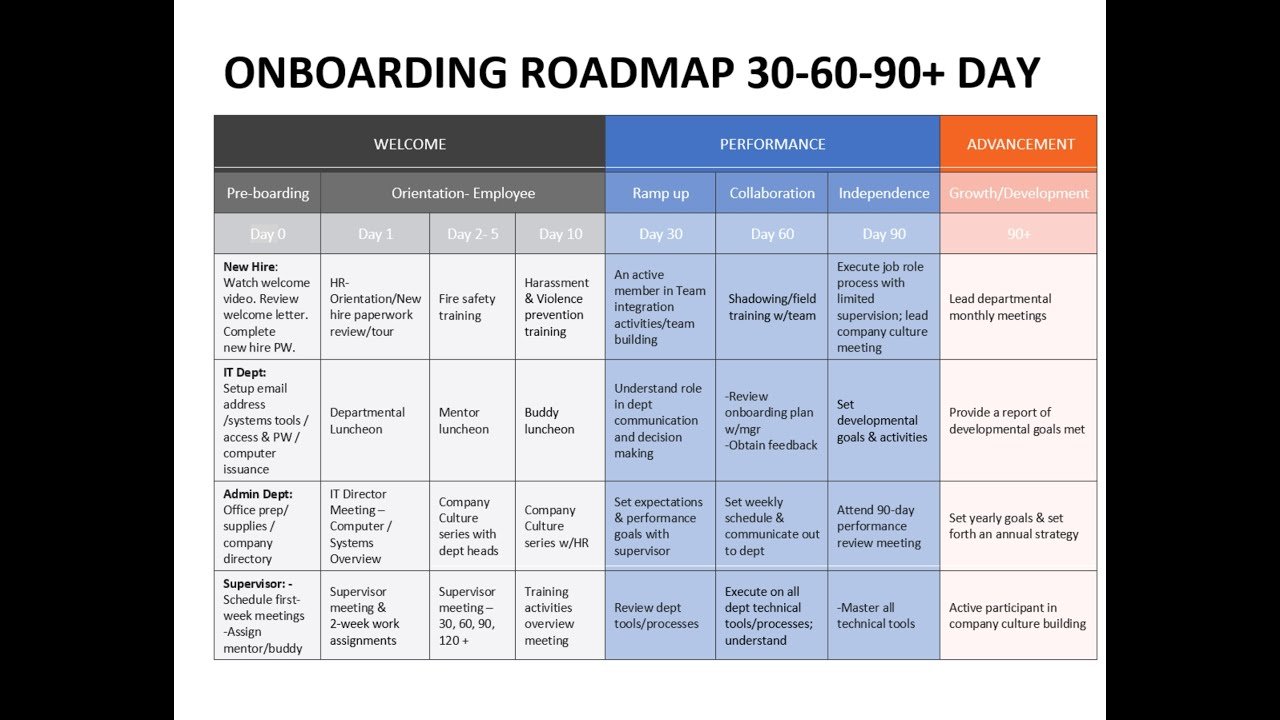
The components break into clear phases. These are pre-arrival, initial orientation, skill training, and long-term development. Each phase has specific, actionable steps with clear ownership.
Benefits for HR and new hires alike
The benefits for organizational teams are immediate. They gain consistency across all integrations. This reduces administrative errors and creates clear accountability. It allows for scaling the process without losing quality.
For new team members, the advantages are profound. They experience transparency from day one. This eliminates the anxiety of not knowing what comes next. They understand expectations and know who to contact for support.
This document serves dual purposes. It acts as a project management tool for organizers. Simultaneously, it provides a clear roadmap for individuals joining the company. This standardization creates a baseline for continuous improvement.
Preboarding: Setting New Hires Up for Success
The moment a candidate accepts your offer marks the true beginning of their integration journey. This pre-arrival phase separates competent organizations from chaotic ones. We treat this period as our first operational test.
Most companies waste this critical window. We leverage it to demonstrate organizational excellence before the official start date.
Paperwork, IT setup, and equipment readiness
Administrative tasks must conclude before day one. We handle I-9 verification, tax documents, and background checks immediately. This respects everyone’s time and prevents first-day frustrations.
Equipment readiness is non-negotiable for distributed teams. Computers, access credentials, and necessary tools ship well before the start date. Technical setup should be complete before the new hire’s first login.
Building early excitement and engagement
Your welcome email sets the organizational tone. Include the start date, manager introduction, and clear expectations. This communication builds anticipation rather than anxiety.
We announce incoming talent to existing teams during preboarding. This primes current members for warm introductions. Share company swag and team profiles to create genuine excitement.
For remote positions, specify virtual meeting links and time zones clearly. Provide technical setup instructions to avoid morning troubleshooting. This demonstrates preparedness and professional care.
First Day: Making a Lasting Impact
We treat the first day not as an administrative formality but as a strategic opportunity to cement organizational loyalty. This initial experience answers the fundamental question every new team member silently asks: “Did I make the right choice?”
The opening hours set the tone for the entire employment relationship. Everything that happens during this critical period either builds confidence or creates doubt.
Essential tasks to ensure a smooth start
Begin with a personal welcome from both HR and the direct manager. This live interaction demonstrates intentional preparation. Avoid impersonal communications like email or Slack messages for this initial contact.
Technical verification is non-negotiable. Schedule a dedicated IT check-in to test every system before other meetings begin. For remote positions, confirm all equipment functions properly during this session.
“The quality of your first day experience predicts retention more accurately than any other single factor in the integration process.”
Assign an onboarding buddy immediately. This peer mentor provides a safe resource for questions without judgment. They become the new hire’s primary support during uncertain initial weeks.
Conduct comprehensive orientation covering culture, mission, and operational policies. This isn’t corporate propaganda—it’s the operating system that helps people understand decision-making frameworks.
| Activity | In-Person Approach | Remote Adaptation | Critical Success Factor |
|---|---|---|---|
| Welcome Meeting | Face-to-face in conference room | Video conference with camera on | Personal connection established |
| Team Introductions | Walk-around office introductions | Scheduled virtual meet-and-greet | Clear reporting relationships |
| System Access | IT desk visit for setup | Remote support session | All credentials working |
| Culture Orientation | Group session with visuals | Interactive digital presentation | Values comprehension |
Conclude the first day with a structured check-in. Ask specific questions about what worked well and what needs clarification. Then actually address the feedback before day two begins.
Orientation: Building a Strong Company Culture
Orientation transforms abstract values into daily operational reality. This is where your company culture moves from mission statement to measurable behavior.
We demonstrate how things actually work, not just how they should work. This phase answers the critical question: what does our philosophy look like in practice?
Translating values into action
Introducing company values means showing behavioral examples. What does “innovation” look like in daily meetings? How does “collaboration” manifest across departments?
We provide concrete scenarios that new team members will encounter. This makes cultural integration immediate rather than theoretical.
The employee handbook review covers essential policies that protect everyone. We highlight safety protocols, data privacy requirements, and inclusion commitments.
Benefits explanation addresses the fundamental concern: “What value do I receive here?” We cover health plans, retirement options, and enrollment deadlines with absolute clarity.
| Orientation Element | Traditional Approach | Remote Adaptation | Cultural Impact |
|---|---|---|---|
| Values Introduction | Presentation slides | Interactive video scenarios | Practical understanding |
| Policy Review | Handbook reading session | Digital highlights with Q&A | Clear expectations |
| Team Integration | Office tour and introductions | Scheduled virtual meet-ups | Relationship building |
| Manager Connection | In-person meeting | Dedicated video conference | Role clarification |
For distributed teams, we ship physical welcome packages before the first day. Tangible items create connection when personal contact isn’t possible.
Virtual sessions use breakout groups rather than marathon calls. This gives new employee opportunities for peer interaction beyond formal presentations.
The manager one-on-one establishes the most critical relationship. This session clarifies expectations, communication styles, and initial objectives.
Training and Continued Development for New Employees
While orientation establishes cultural foundations, skill development builds operational competence. This phase transforms organizational values into individual capability. We treat learning as a continuous journey, not a one-time event.

Formal sessions and on-the-job learning opportunities
We begin with mandatory compliance modules—essential for legal protection. Formal training covers role-specific tools and processes. This structured approach provides the technical foundation people need.
On-the-job learning happens through shadowing and progressively complex assignments. Theoretical knowledge becomes practical competence through real application. A learning management system centralizes content and tracks progress.
Goal setting for early career development
Team members with clear development plans are 3.5 times more likely to rate their integration as exceptional. We establish expectations during the first week.
The 30-60-90-day check-in structure creates regular feedback touchpoints. These conversations focus on progress and support needs. Early career discussions signal investment in long-term success.
Remote Onboarding Strategies for a Distributed Workforce
Nearly half of pandemic-era hires experienced remote integration, yet engagement data reveals systemic failures in adaptation. Only 52.5% of these team members feel highly engaged, proving that virtual environments demand fundamentally different approaches than traditional office methods.
Virtual meet-and-greets and digital tours
We structure virtual introductions with intentional design. Large video calls where new hires remain silent observers fail to build genuine connections. Instead, we schedule small breakout sessions that facilitate actual conversation.
Digital tours replace physical walkthroughs effectively. We create video introductions to different departments and interactive guides to organizational tools. This provides a virtual “map” of company structure that distributed team members can reference repeatedly.
Remote access forms the foundation of everything else. New hires need working credentials for every system before their first day. IT support must be readily available when technical issues inevitably arise.
Screen fatigue destroys engagement in virtual environments. We build regular breaks into schedules and vary formats between presentations and interactive sessions. Eight straight hours of video calls consistently produces poor results.
Shipping physical welcome packages to homes creates tangible connection. Company swag and handwritten notes arrive before day one to build genuine excitement. This demonstrates organizational care in the absence of physical presence.
The buddy role becomes critical for remote integration. This person must proactively schedule regular check-ins since chance hallway conversations don’t exist. Clear communication standards around email response times and urgency signals prevent misunderstandings.
Optimizing the Onboarding Process with Technology
Technology transforms administrative burdens into strategic advantages during the integration period. Manual tracking and paper forms create unnecessary complexity. We leverage digital systems to ensure consistency and compliance.
Modern software creates seamless transitions from recruitment to full integration. Specific actions trigger subsequent events automatically. When someone submits direct deposit information, payroll receives instant notification.
Leveraging HRIS and onboarding software
Integrated HRIS platforms connect recruiting, documentation, and payroll functions. Data flows between systems without manual re-entry. This eliminates lost forms and tracking errors.
Automation handles paperwork distribution and signature collection. Professionals then focus on relationship-building rather than administrative tasks. The real value lies in time reallocation toward human connection.
Digital document management creates centralized, audit-ready repositories. Everything becomes searchable and secure. Compliance tracking becomes systematic rather than hopeful.
Learning management systems transform training logistics. They assign mandatory courses and track completion organization-wide. Team members access development content on demand.
Integration differentiates basic tools from strategic platforms. When software connects with payroll systems, information flows accurately. This eliminates manual data entry errors.
The ROI calculation is straightforward. Compare software costs against hours spent on administrative tasks. Then factor in retention improvements from better experiences.
Mastering the Employee Onboarding Checklist
Paperwork is often dismissed as bureaucratic red tape, but we treat it as the structural foundation of successful integration. These documents establish the legal and financial framework that protects both organization and individual.
Paperwork essentials and compliance
The I-9 form requires completion within three business days of hire. Federal audits penalize organizations with improper documentation.
Tax forms like the W-4 determine paycheck deductions. Accuracy here prevents payroll complications and team member dissatisfaction.
Direct deposit authorization must process before the first pay period. Delayed initial payments create immediate trust issues.
Compliance extends to background checks and handbook acknowledgments. Industry-specific certifications may also be necessary.
Integrating digital tools for seamless workflows
Modern HRIS platforms transform administrative bottlenecks into strategic advantages. Electronic signatures and automated reminders eliminate paper chaos.
Integration between software systems ensures completed documents automatically update records. This creates audit trails while saving valuable time.
The right technology allows professionals to focus on relationship building rather than administrative tracking. This represents a fundamental shift in resource allocation.
Tailoring the Process for Different Roles and Teams
Customization isn’t a luxury in the integration process—it’s the difference between competence and excellence. We reject universal templates because different responsibilities demand tailored approaches.

The best framework handles routine elements while adapting to each person’s unique situation. Your objectives determine which steps to include or exclude from the welcome experience.
Adapting steps to fit various job functions
Sales professionals need product training and CRM system access. Engineering team members require development environment setup and technical overviews. These are fundamentally different paths.
Leadership positions demand context on team dynamics and strategic priorities. Individual contributors need more fundamental training and closer supervision. Seniority matters when customizing the experience.
Department-specific compliance varies significantly. Finance team members need different regulatory training than marketing professionals. Your framework must account for these role-based requirements.
Remote versus onsite positions require distinct adaptations. Distributed team members need structured communication protocols. Office-based hires benefit from physical space tours and in-person introductions.
The core checklist provides foundation elements. Each department should have supplementary items addressing their unique needs. This maintains consistency while allowing necessary customization.
Measuring Success and Driving Ongoing Improvements
Feedback collection without action is corporate theater; we measure what matters and immediately apply the findings. This final phase transforms your integration process from static checklist to dynamic system.
Initial feedback sessions provide critical insights while experiences remain fresh. Schedule these conversations within the first two weeks. Ask specific questions about clarity, resources, and support gaps.
Feedback and performance evaluations
The 30-60-90-day structure creates natural measurement points. These conversations assess role definition, resource adequacy, and team connection. Manager feedback reveals whether new hires meet performance expectations.
“What gets measured gets improved—but only if you actually use the data to drive decisions.”
Satisfaction surveys need actionable questions rather than vague ratings. We diagnose specific problems: role clarity, feeling valued, coworker connection. Identified patterns reveal systemic gaps.
| Measurement Tool | Timing | Primary Focus | Action Outcome |
|---|---|---|---|
| First-Week Feedback | Days 5-7 | Immediate experience | Process adjustments |
| 30-60-90 Check-ins | Monthly | Integration progress | Support customization |
| 90-Day Review | Quarter 1 end | Performance readiness | Training enhancements |
| Cohort Retention | 6/12 months | Long-term impact | Strategic improvements |
Time-to-productivity metrics reveal process effectiveness. Track how long until first project completion or role-specific milestone achievement. Compare cohorts to measure improvement impact.
Treat your framework as a living document. Quarterly reviews of feedback data should drive updates. Success isn’t just completion—it’s engagement, productivity, and retention.
Conclusion
The integration landscape has fundamentally shifted, and companies that adapt will secure their competitive advantage for years to come. We’ve moved beyond treating this process as an administrative task—it’s now a strategic business function with measurable ROI.
Your approach to welcoming talent directly impacts your bottom line through retention, productivity, and cultural cohesion. The framework we’ve outlined transforms chaotic integration into a repeatable system that scales with your organization.
Every new team member represents an investment. Proper integration ensures that investment pays dividends through faster time-to-contribution and longer tenure. The data is clear: structured approaches deliver superior results.
Start implementing these strategies immediately. Download our templates, assign clear ownership, and begin measuring outcomes. Your success depends on transforming how you integrate talent in this new era of work.
FAQ
What is the most common mistake companies make with new hire onboarding?
We see organizations overload new employees with paperwork and compliance tasks on day one. This creates immediate friction. The priority should be connection and culture, not just tax forms and policy documents. A successful start builds excitement, not administrative burden.
How can we effectively build company culture with a distributed workforce?
Culture isn’t built through a handbook alone. It’s forged in daily interactions. We advocate for structured virtual meet-and-greets, transparent communication channels, and assigning a peer mentor. This makes abstract values tangible and integrates team members into the social fabric from the start date.
What key performance indicators should we track to measure onboarding success?
Look beyond completion rates for training modules. Measure time-to-productivity for specific role responsibilities, early feedback survey scores, and 90-day retention rates. These metrics reveal if your process truly equips people for long-term success, not just short-term compliance.
How does technology like HRIS improve the experience for new hires?
The right software automates the mundane—like benefits enrollment and system access requests—freeing HR and managers to focus on human connection. It provides a clear, guided path for the hire, reducing anxiety and ensuring nothing falls through the cracks before their first day.
Should the onboarding process be the same for every role?
Absolutely not. A one-size-fits-all checklist is a failure point. While core elements like culture introduction are universal, training and goal setting must be tailored. The steps for a sales representative will differ significantly from those for a software engineer. Adapt the journey to the specific job functions.