

A seismic shift is underway in how we connect with customers. The internet is evolving from a centralized space controlled by a few giants to a decentralized ecosystem built on user empowerment. This new era demands a new playbook.
The numbers are staggering. The global market for this new digital frontier was valued at $2.2 billion in 2022. It’s projected to explode to $81.9 billion by 2032. That’s a compound annual growth rate of 44.5%. This isn’t a niche trend; it’s the future of online interaction.
This evolution, often called Web3, is built on blockchain technology. It prioritizes transparency, user privacy, and genuine community engagement. Web3 marketing refers to the strategies that leverage this new landscape. It moves beyond traditional advertising to build trust and foster direct relationships.
We’re not talking about minor adjustments. This is a fundamental restructuring of the brand-consumer relationship. It’s built on permission, not intrusion. The opportunity is clear: brands that adapt now will forge stronger bonds. Those who hesitate risk irrelevance.
Key Takeaways
- The internet is undergoing a major shift towards decentralization and user control.
- The market for this new digital era is experiencing explosive, multi-billion dollar growth.
- This new approach to promotion is built on blockchain, transparency, and community.
- It represents a fundamental change in how brands and consumers interact.
- Early adoption is crucial for building direct, trusted relationships with your audience.
- Forward-thinking companies are already implementing successful strategies.
Understanding the Evolution from Web 1.0 to Web 3.0
To grasp where we’re headed, we must first understand the distinct phases that have shaped our current online experience. This journey isn’t just about new technology; it’s a fundamental redefinition of power between creators and consumers.
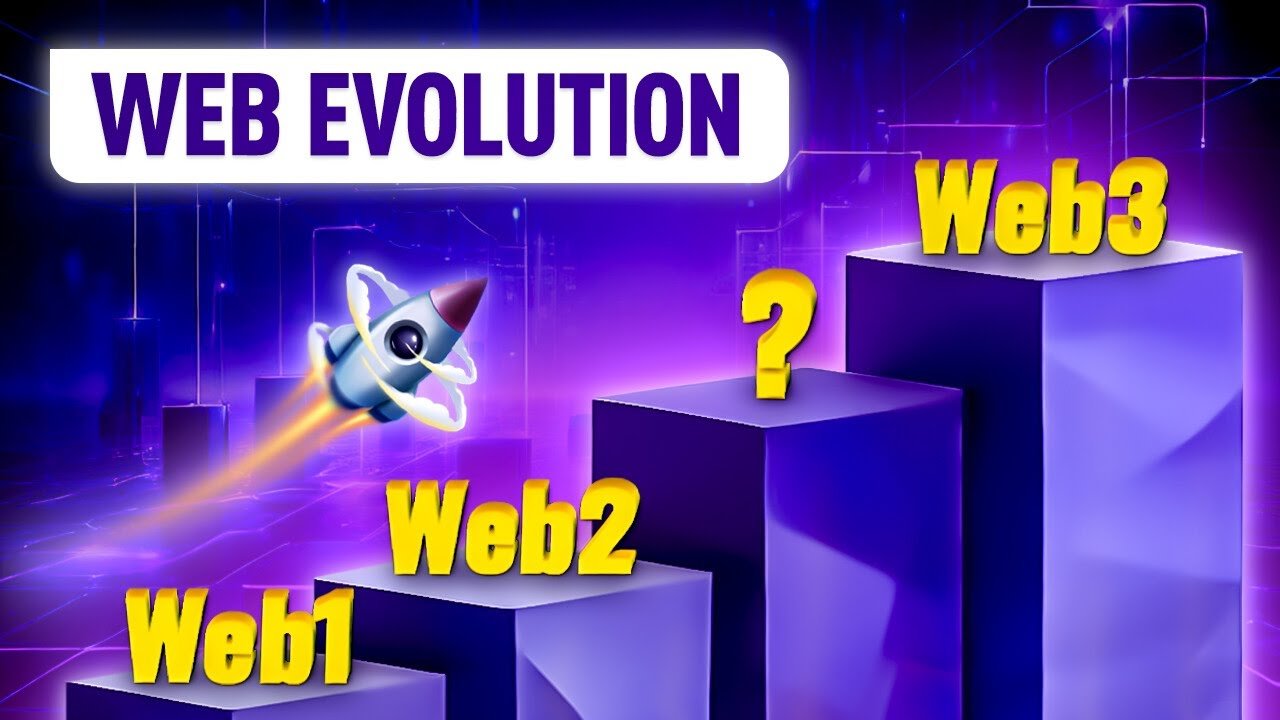
The initial phase, Web 1.0, was a static, read-only internet. Users passively consumed information from basic HTML pages. The relationship was one-way: brands published content, and people read it.
Then came Web 2.0, the interactive or social web. It turned users into active creators. They could share content and connect on vast platforms. This shift, however, centralized control and data ownership in the hands of a few corporations.
Key Characteristics of Each Web Era
The progression is best understood by comparing the core attributes of each stage side-by-side.
| Era | User Role | Data Control | Brand Relationship |
|---|---|---|---|
| Web 1.0 | Passive Consumer | Publisher-Held | Broadcast |
| Web 2.0 | Active Participant | Platform-Held | Conversation |
| Web 3.0 | Owner & Partner | User-Held | Collaboration |
Implications for Modern Brands
This evolution has profound implications. The old playbook of buying attention through platform ads is breaking. Success now hinges on building direct trust.
Brands must move from facilitating conversations to building true partnerships. This new era, as detailed in this analysis of the evolution of digital promotion, demands transparency. It requires providing genuine value in exchange for a user’s attention and data.
We are shifting from intrusion to permission. The brands that understand this power shift will thrive.
Defining Web 3.0 in the Digital Landscape
We’re witnessing the internet’s fundamental architecture being rebuilt from the ground up, prioritizing individual control over corporate convenience. This new paradigm represents more than technological advancement—it’s a complete philosophical shift.

What Sets Web 3.0 Apart
The distinction lies in foundational principles. Traditional models rely on centralized servers and intermediary platforms. Web 3.0 operates through distributed networks where participants maintain ownership.
This architecture enables true peer-to-peer interactions without gatekeepers. The semantic capabilities allow machines to understand context and intent, not just keywords. This creates more meaningful connections between brands and their audiences.
| Feature | Web 2.0 | Web 3.0 |
|---|---|---|
| Data Control | Platform-owned | User-owned |
| Transaction Model | Intermediated | Direct peer-to-peer |
| Trust Mechanism | Reputation-based | Blockchain-verified |
| Access Points | Traditional devices | Ubiquitous (IoT everywhere) |
The Role of Decentralization and Transparency
Decentralization forms the bedrock of this new ecosystem. Information distributes across networks rather than concentrating in single entities. This prevents monopolistic control and censorship.
“Transparency becomes the default setting, not an optional feature. Every interaction leaves an immutable record that builds authentic trust.”
Blockchain technology ensures verifiable transactions and data exchanges. This forces organizations to deliver genuine value rather than empty promises. The spatial web capabilities further transform how people discover and evaluate offerings.
We’re moving toward internet access through everything—wearables, smart environments, beyond screens. This creates constant, seamless connection points that redefine the brand-consumer relationship.
Core Pillars of the Decentralized Web
Four fundamental pillars support the architecture of this decentralized ecosystem. Each reshapes traditional power dynamics between organizations and individuals.
These interconnected components work synergistically. They create an environment where control shifts from centralized entities to distributed networks.

Decentralization and Blockchain Technology
Blockchain technology serves as the backbone of this new paradigm. It’s a distributed ledger recording transactions across multiple computers simultaneously.
This creates an immutable, transparent record that no single entity can manipulate. The write-only nature ensures data permanence and unprecedented accountability.
Decentralization distributes information across entire networks. This eliminates single points of failure and prevents content censorship.
User Ownership and Interoperability
User ownership transforms consumers from products into partners. Individuals control their data and decide who accesses it.
Interoperability enables seamless flow across different networks. Smart contracts automate agreements without intermediaries.
These pillars work together to create genuine value exchange. Brands must align strategies with these principles to succeed.
Artificial Intelligence and the Semantic Web in Marketing
The next frontier in brand-consumer interaction lies in machines that truly understand human intent. We’re moving beyond basic automation to systems that comprehend context and nuance.

This evolution centers on the semantic web—an intelligent framework where artificial intelligence processes information with human-like understanding. It analyzes relationships between concepts, not just isolated facts.
Leveraging AI for Enhanced User Experiences
Natural language processing transforms how people engage with brands. Consumers now interact using normal speech patterns rather than navigating complex interfaces.
These technologies enable predictive personalization. Systems analyze behavioral patterns and anticipate needs before consumers explicitly express them.
“The semantic web allows machines to understand the meaning behind data, creating marketing that feels intuitive rather than intrusive.”
Consider how these capabilities compare to traditional approaches:
| Capability | Traditional AI | Semantic AI |
|---|---|---|
| Understanding Level | Keyword matching | Contextual meaning |
| Personalization | Demographic targeting | Individual intent analysis |
| Content Delivery | Broadcast model | Dynamic matching |
| Learning Capacity | Rule-based | Continuous adaptation |
Cognitive computing enables systems to learn and optimize continuously. Your strategies become more effective as artificial intelligence deepens its understanding of audience preferences.
This represents a fundamental shift from reactive engagement to proactive anticipation. We’re creating experiences tailored to each person’s unique context through advanced language processing.
Effective Web 3.0 Marketing Strategies for Emerging Brands
The era of passive consumerism is ending; brands must now build ecosystems where customers become stakeholders. We see successful organizations moving beyond traditional advertising to create genuine value exchange.
These approaches transform one-way communication into collaborative partnerships. They leverage decentralization to build trust and engagement.
Community Building and Token-Gated Commerce
Community building requires creating dedicated platforms where audiences own their participation. Forget renting space on centralized social media—build branded ecosystems where members collaborate and share value directly.
Nike’s .SWOOSH platform demonstrates this model perfectly. Members access virtual collections, co-create designs, and earn revenue shares—transforming consumers into economic partners.
Token-gated commerce revolutionizes loyalty programs. Reward customers with blockchain-based tokens redeemable for exclusive access—without collecting invasive personal data.
Starbucks Odyssey proves this works at scale. Members earn NFT stamps for activities, redeem them for rewards, and trade them freely. This creates genuine engagement beyond traditional points systems.
Metaverse Integration and Decentralized Ad Networks
Metaverse integration opens entirely new marketing surfaces. Immersive virtual environments let consumers experience products and interact with brands in real-time.
Adidas’s collaboration with Bored Ape Yacht Club bridged physical and digital fashion. NFT drops provided access to physical merchandise—establishing a blueprint for blended experiences.
Decentralized ad networks eliminate intermediaries like Google and Meta. They give brands transparency while compensating users directly for attention.
Brave browser’s model pays users crypto tokens for viewing opted-in ads. This creates fair value exchange instead of extracted attention.
Compare traditional and decentralized approaches:
| Strategy Type | Traditional Approach | Decentralized Approach |
|---|---|---|
| Community Building | Social media followers | Token-holding stakeholders |
| Loyalty Programs | Points trapped in databases | Tradable token rewards |
| Advertising | Platform-controlled targeting | User-compensated attention |
| Customer Relationship | Transactional | Collaborative |
Bounty campaigns incentivize specific user actions through smart contracts. They build communities that actively promote your brand because members benefit directly from success.
These strategies share a common thread: shifting from extractive tactics to collaborative value creation. They move from broadcasting messages to building genuine partnerships.
Preparing Your Brand for a Decentralized Digital Future
The future of brand-consumer relationships hinges on a radical rethinking of data ownership and transparency. We must shift from extracting value to building mutual trust through verifiable practices.
Building Trust Through Enhanced Data Privacy
Data privacy becomes your competitive advantage. Customers increasingly value organizations that demonstrate genuine respect for their personal information.
Blockchain technology enables transparent collection practices. Consumers see exactly what information you gather and how it creates value for them.
This approach builds credibility that traditional methods cannot match. Security becomes verifiable through cryptographic proof rather than empty promises.
Empowering Users with Data Control
Successful brands implement systems where users control their information. They decide who accesses their data and can revoke permissions at will.
This permission-based model paradoxically enables better personalization. Consumers willingly share preferences when they trust the brand and receive clear value.
We’re moving toward a future where people potentially monetize their own behavioral data. Your brand must adapt to this new paradigm of user empowerment.
Embracing New Marketing Channels and Opportunities
Forward-thinking organizations are now exploring channels that reward authenticity over interruption. These emerging platforms create genuine value exchange rather than extracting attention.
We see decentralized social networks transforming influencer relationships. Blockchain transparency forces genuine partnerships where all parties share value.
Innovative Social Media and Influencer Collaborations
Authentic relationships replace paid promotions in this new landscape. Influencers reach untapped audiences through token-based communities.
These partnerships deliver higher conversion rates. They align interests through transparent incentive structures rather than creating adversarial relationships.
PPC and Content Optimization in the Decentralized Era
Paid search adapts through networks that verify real user engagement. You see exactly where ads appear and compensate audiences directly.
Search optimization evolves toward natural language and multimedia approaches. Quality content finally triumphs over manipulation tactics.
Early adopters gain significant advantages. They access lower costs and audiences hungry for brands that respect decentralized principles.
Navigating Challenges in the Decentralized Ecosystem
The path to Web 3.0 adoption presents formidable obstacles that test even the most prepared organizations. We must confront these hurdles head-on with strategic planning and realistic expectations.
The biggest challenge isn’t technical—it’s educational. Most consumers remain skeptical or uninformed about decentralized concepts. Companies must invest heavily in education before attempting to sell products or services.
Addressing Regulatory and Data Privacy Concerns
Marketers face a critical knowledge gap. To educate audiences effectively, you need deep understanding of blockchain concepts and decentralized applications. Superficial knowledge gets exposed immediately by Web3-native audiences.
Regulatory uncertainty creates strategic paralysis for many businesses. The lack of clear legal frameworks means marketing strategies must remain flexible. Governments will establish rules that fundamentally alter the landscape.
Data restrictions cut both ways. While privacy benefits consumers, marketers lose behavioral data they’ve relied on for targeting. This requires entirely new approaches to understanding audiences without invasive tracking.
Accessibility challenges persist for many potential users. Specific devices, wallets, and technical literacy requirements limit addressable markets. Companies must invest in reducing barriers to entry.
Platform fragmentation complicates strategy implementation. Multiple blockchains and competing standards mean efforts may span numerous platforms. Each has different technical requirements and audience expectations.
Conclusion
We stand at an inflection point where traditional marketing models face irrelevance. The projected growth to $81.9 billion by 2032 isn’t just a trend—it’s a mandate for adaptation.
Successful Web 3.0 marketing puts consumer needs first through technical architecture, not just rhetoric. Your marketing strategy must evolve across technology, channels, and philosophy simultaneously.
The competitive advantage goes to brands that integrate these approaches into existing digital marketing efforts. Relationships become the currency of this new era, replacing transactional models with genuine value exchange.
Start by educating your team and experimenting with emerging channels. The decentralized future is inevitable—your choice is whether to lead or follow.
FAQ
How does blockchain technology fundamentally change digital marketing?
Blockchain introduces unprecedented transparency and security. It shifts control data from corporations to individuals, enabling trustless interactions. This allows brands to build verifiable loyalty programs and create token-gated commerce experiences that reward genuine customer engagement.
What is the semantic web’s role in modern marketing strategies?
The semantic web allows machines to understand content meaning, not just keywords. This evolution, powered by natural language processing, enables more intuitive search engine results and highly personalized user experiences. Marketers can deliver precisely relevant content, dramatically improving conversion rates.
Why is community building more critical in Web 3.0 than previous eras?
Decentralization prioritizes user ownership and collective value. Successful brands now co-create with their audiences rather than broadcasting to passive consumers. This shift demands authentic relationships and shared incentives, turning customers into active brand advocates and stakeholders.
How can brands leverage artificial intelligence while respecting data privacy?
We prioritize zero-party data strategies where users willingly share information for better experiences. AI can then personalize interactions without compromising security. This builds trust while delivering the tailored content and seamless experiences that modern consumers expect.
What are the biggest challenges when adopting these new strategies?
The primary hurdles involve regulatory uncertainty and technological complexity. However, early adopters gain significant competitive advantage. We focus on scalable, compliant solutions that future-proof marketing efforts without sacrificing current performance or unit economics.