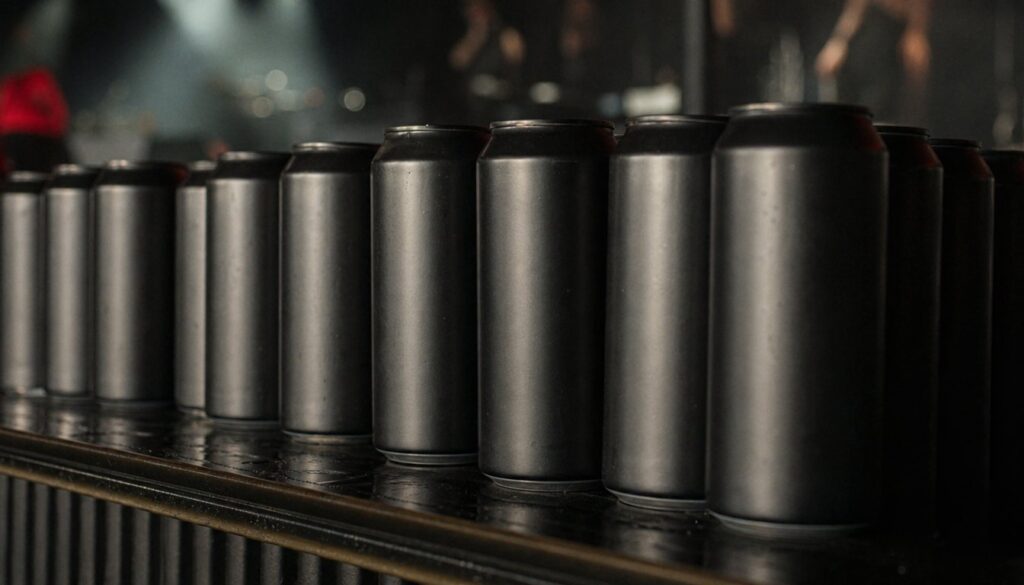
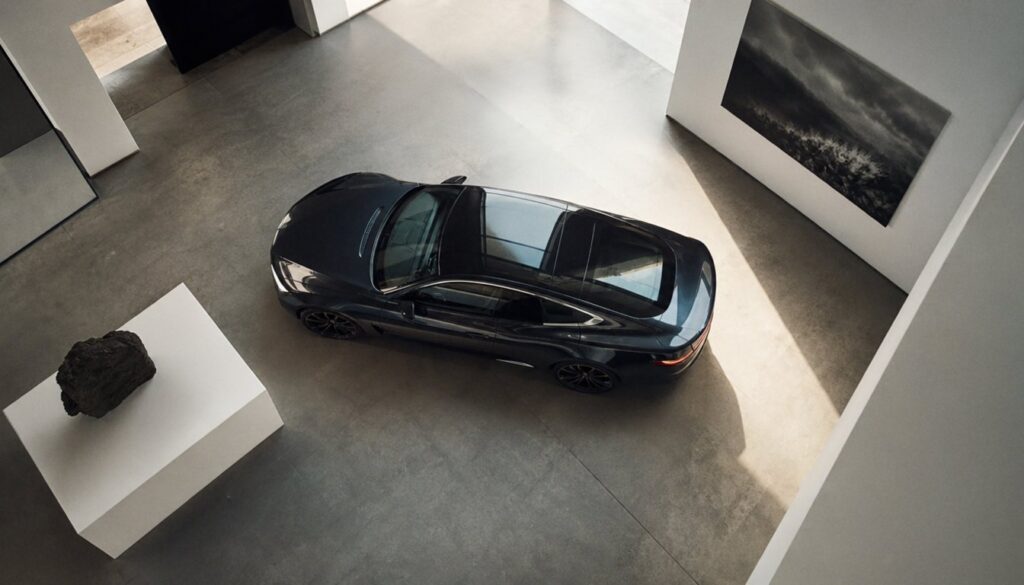
Jaguar rebrand, in short: Jaguar’s “Copy Nothing” rebrand, launched on November 19, 2024, replaced its logo, typography, colors and tone to prepare for an all-electric relaunch. The teaser film showed no car, triggered a huge online backlash, and arrived while Jaguar had stopped selling almost its entire lineup, so sales collapsed before any new product existed. The first production car, the Type 01, was revealed in October 2026; whether the gamble pays off is now a product question, not a logo question.
Timeline
| Date | Event |
|---|---|
| 2024 | Jaguar ends production of most existing models ahead of an electric relaunch |
| 19 Nov 2024 | New identity and “Copy Nothing” film released, built on “Exuberant Modernism” |
| 2 Dec 2024 | Type 00 concept car shown at Miami Art Week |
| 2025 | European registrations fall to a few dozen cars in some months as old models run out |
| 6 Oct 2026 | Type 01 electric grand tourer revealed in New York |
What changed
- A new wordmark with mixed upper and lower case letters
- A redesigned “leaper” cat and a new monogram
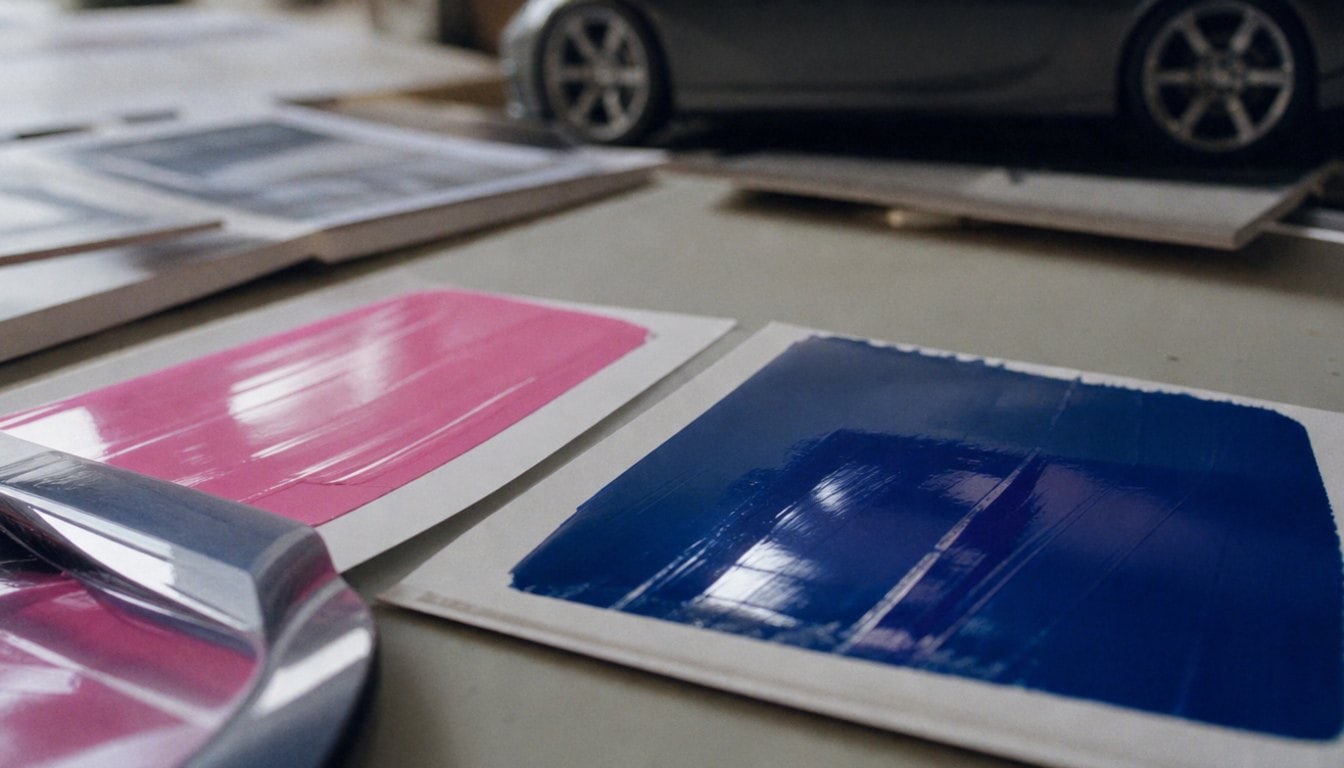
- Bright, saturated colors replacing the traditional British racing palette
- Slogans such as “delete ordinary”, “live vivid” and “copy nothing”, taken from founder Sir William Lyons’s line that a Jaguar should be “a copy of nothing”
Why it drew so much backlash
- No product in the launch. A car brand’s first film without a car invited the question “do you sell cars?”, which Elon Musk asked publicly.
- A gap between old and new. Existing fans felt the brand had abandoned its heritage, while the new audience had nothing to buy yet.
- The film became a culture-war topic, amplified by politicians and commentators far outside the car audience.
The case for the strategy
Jaguar’s management argued the brand needed a clean break: its older models had lost relevance and money, and moving upmarket to cars priced above £100,000 required a different image and audience. Managing director Rawdon Glover said taking cars off sale was intentional to separate the old and new brand. Attention, even negative, made the relaunch globally known.
Lessons for any rebrand
- Lead with proof, not just mood. Show the product or the change customers will experience.
- Manage the gap. Avoid long periods where the old offer is gone and the new one isn’t available.
- Bring existing fans along or decide openly that you are leaving them, and plan for the reaction.
- Judge a rebrand on business results over years, not on the first week’s comments.
Rebrand or refresh?
Most brands need a refresh (updated design and messaging) rather than a full rebrand. Gap’s 2010 logo change, reversed within about a week after criticism, and Tropicana’s 2009 packaging redesign, withdrawn after sales fell, show the risk of changing familiar assets without a strong reason customers can see.
Bottom line: The Jaguar rebrand is a reminder that bold change needs a story customers can follow. Study the Jaguar rebrand for what to explain before launch, not only for the logo.
Frequently asked questions about Jaguar rebrand
Who created Jaguar’s new branding?
Jaguar’s in-house design team led the identity, with agency Accenture Song involved in the launch campaign, according to press reports.
Did the rebrand cause Jaguar’s sales drop?
The drop mainly reflects Jaguar ending production of its old models before new ones were ready; the rebrand happened during that gap.
Sources
- Jaguar press release, “Copy Nothing”, November 19, 2024
- European Automobile Manufacturers’ Association (ACEA) registration data, 2025
- Creative Boom: Jaguar reveals its reimagined brand
Related: what is brand positioning · brand archetypes