The landscape of buying and selling media has fundamentally changed. We’ve moved beyond manual negotiations and gut feelings. Today’s market runs on automation, data, and algorithms that execute in milliseconds.
The numbers prove this isn’t a passing trend. In the US alone, spending surged from $4.99 billion in 2013 to over $156 billion in 2024. Globally, ad spend hit $595 billion last year and is racing toward $800 billion by 2028.
This guide cuts through the complexity. We deliver what you actually need to know: how this system works, why it matters, and how to use it effectively in 2025. We provide actionable intelligence backed by real spending data and proven frameworks.
Forget the old era of handshake deals. Modern success requires a new skill set. If you’re not building these capabilities now, you’re watching billions flow to competitors.
Whether you’re starting from scratch or optimizing existing efforts, this guide gives you the strategic foundation to compete and win. Let’s begin.
Key Takeaways
- Programmatic is the core infrastructure for modern media buying, not a temporary trend.
- Global spending is massive and accelerating, projected to near $800 billion by 2028.
- The system operates on data-driven automation, replacing traditional manual methods.
- Billions of dollars are shifting from traditional budgets to programmatic channels.
- Understanding the ecosystem, technology, and key players is essential for success.
- Effective campaigns are built on strategy, not guesswork or budget-draining experiments.
- Building programmatic capabilities is now a necessity for competitive marketing.
Introduction to Programmatic Advertising Explained and Its Importance
The core of modern media buying is no longer human; it’s algorithmic. This shift represents a fundamental upgrade in efficiency and precision. We’re moving from broad-stroke campaigns to hyper-targeted engagements.
Defining the Concept
So, what is this new system? It’s the automated process of purchasing digital ad space. Software and data-driven algorithms handle the transactions in real-time.
This method replaces manual insertion orders and lengthy negotiations. The technology analyzes user data, determines an impression’s value, and executes the buy—all in milliseconds. It’s intelligent, not just automated.
Why It Matters in Today’s Digital Landscape
The importance is clear when you consider scale and fragmentation. Consumers are scattered across countless devices and platforms. Manual buying cannot efficiently manage this complexity.
This automated approach provides a single point of access to millions of impressions. The benefits are direct and measurable:
- Precision Targeting: Ads reach users based on real behavior and interests, not guesswork.
- Reduced Waste: Budget is spent on relevant inventory, improving overall ROI.
- Total Control: Campaigns are fully trackable and optimizable at every step.
In 2025, this isn’t an advanced tactic. It’s the foundational infrastructure for effective digital presence. Your ad dollars either work with this precision or they evaporate.
The Evolution from Traditional to Automated Media Buying
Media purchasing has undergone a revolution that redefines efficiency and precision in marketing. We’ve moved from manual negotiations to algorithmic optimization.
From Don Draper to Data-Driven Decisions
The Mad Men era operated on intuition and relationships. Traditional media buying meant calling publishers and hoping for results.
Today’s approach uses behavioral signals and contextual targeting. We match messages to the right person at the perfect moment.
Milestones in the Advertising World
The first online display ad appeared in 1994. But the real transformation began in the early 2010s.
Key developments include Real-Time Bidding and Demand-Side Platforms. Spending exploded from $4.99 billion in 2013 to over $156 billion today.
This represents a fundamental restructuring of how advertising gets transacted. The evolution continues with advanced AI and privacy-focused approaches.
How Programmatic Advertising Works in Real Time
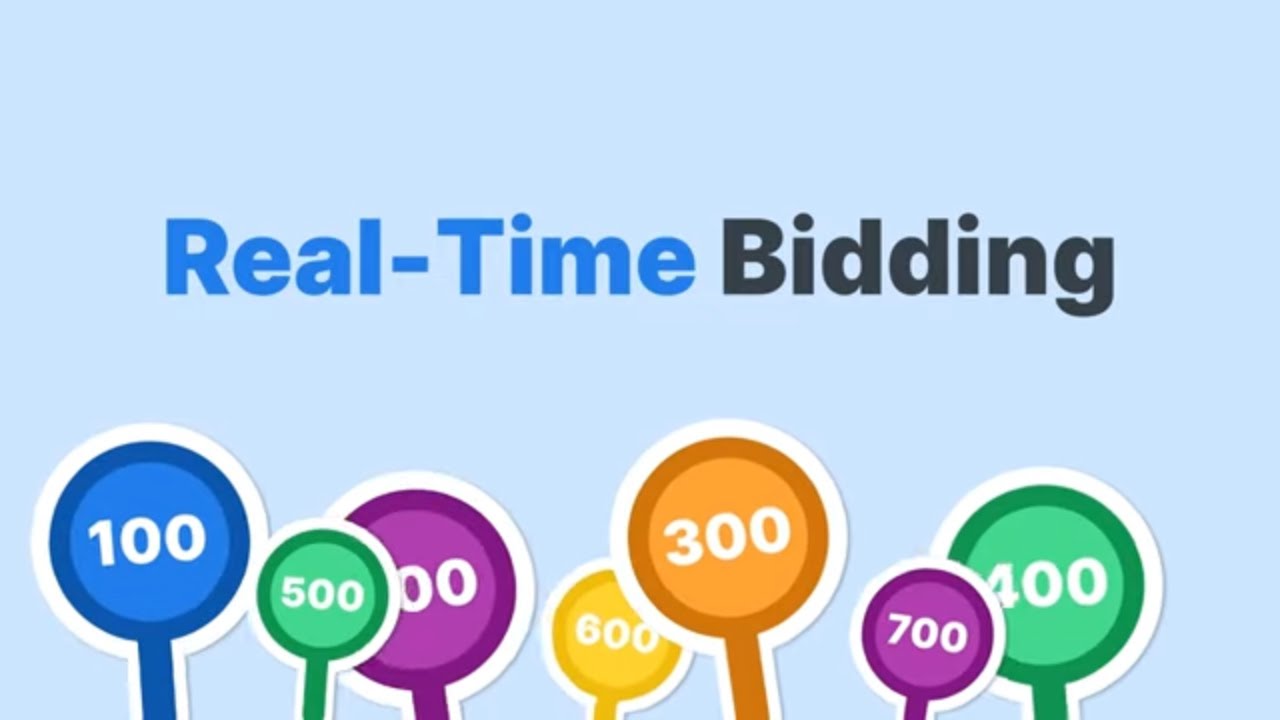
Digital ad placements now occur through instantaneous auctions that complete before a webpage fully loads. This real-time process happens in milliseconds, making it invisible to human perception.
The User’s Journey and Ad Serving Process
When a user visits any website, an immediate chain reaction begins. The publisher’s platform detects available ad space and sends a request with anonymized user data.
This triggers a sophisticated evaluation process across multiple platforms. Each impression gets analyzed against targeting criteria to determine its value.
Real-Time Bidding in Action
The auction mechanism kicks in simultaneously across ad exchanges. Demand-side platforms receive the opportunity and calculate bids based on user relevance.
Highest bidder wins the impression in under 100 milliseconds. Their ad appears seamlessly as the page finishes loading.
| Aspect | Traditional Buying | Real-Time Bidding | Impact |
|---|---|---|---|
| Speed | Days/weeks | Milliseconds | Instant placement |
| Targeting | Demographic groups | Individual users | Higher relevance |
| Pricing | Fixed rates | Dynamic auctions | Market efficiency |
| Optimization | Post-campaign | Real-time | Continuous improvement |
This automated system processes billions of daily impressions. Each auction evaluates specific user context and behavior at that exact moment.
Performance data flows back immediately after ad serving. This enables continuous optimization of targeting and bid strategies for future campaigns.
Key Players in the Programmatic Ecosystem
Behind every successful digital campaign lies a coordinated system of demand and supply platforms working in harmony. We see this ecosystem as a well-oiled machine where each component serves a distinct purpose.
Understanding these relationships separates effective campaigns from wasted budgets. The right platform choices determine your reach, precision, and return on investment.
Roles of Advertisers and Publishers
Advertisers drive demand. These are brands and agencies seeking to connect with specific audiences. They want maximum impact for their budget.
Publishers provide the supply. Website owners and app developers offer ad space. Their goal is maximizing revenue from available inventory.
This fundamental relationship creates the marketplace. Advertisers seek quality placements. Publishers want premium rates. The platforms bridge this gap.
Understanding DSPs, SSPs, and Ad Exchanges
Demand-Side Platforms (DSPs) empower advertisers. Tools like The Trade Desk and Google Display & Video 360 provide buying power. They manage targeting, bidding, and optimization.
Supply-Side Platforms (SSPs) serve publishers. These platforms automate inventory management. They connect to multiple exchanges simultaneously.
Ad exchanges function as digital marketplaces. They facilitate real-time auctions between DSPs and SSPs. Exchanges determine winning bids instantly.
| Player Type | Primary Function | Key Examples | Value Provided |
|---|---|---|---|
| Advertisers | Campaign creation and budget allocation | Brands, Agencies | Audience reach and engagement |
| Publishers | Inventory supply and revenue optimization | Websites, Apps | Premium ad space and audience access |
| DSPs | Automated media buying and campaign management | The Trade Desk, MediaMath | Targeting precision and ROI optimization |
| SSPs | Inventory yield management and distribution | Various platform providers | Revenue maximization and efficiency |
| Exchanges | Real-time auction facilitation | Major ad exchanges | Market liquidity and transaction speed |
Your choice of DSP directly impacts campaign performance. The right platform combination ensures optimal inventory access and targeting capabilities.
Understanding the Automated Buying Process
Modern media acquisition functions like a high-frequency trading platform for ad space. The system evaluates each impression individually based on its specific value to your campaign objectives.
The buying process begins when your demand-side platform connects to ad exchanges. This grants instant access to inventory from thousands of publishers simultaneously.
Targeting happens first. When an impression becomes available, the platform analyzes user data and behavioral signals. It determines relevance based on your campaign parameters.
Bidding executes in microseconds. The algorithm calculates exactly how much that specific impression is worth. This calculation considers your targeting criteria and budget constraints.
The auction determines the winner instantly. Unlike traditional bulk purchases, each impression gets evaluated independently. This happens billions of times daily across digital ecosystems.
| Process Stage | Traditional Method | Automated System | Efficiency Gain |
|---|---|---|---|
| Inventory Access | Limited publisher relationships | Global exchange connectivity | Massive scale expansion |
| Decision Speed | Days or weeks | Milliseconds | Real-time optimization |
| Targeting Precision | Demographic groups | Individual user level | Higher relevance rates |
| Pricing Model | Fixed rates | Dynamic value-based | Optimal cost efficiency |
Ad serving follows immediately after the auction. The winning creative appears as the page loads. Users experience seamless content while complex transactions occur behind the scenes.
Optimization continues throughout the campaign lifecycle. Every impression generates performance data that feeds back into the algorithm. This continuous refinement improves targeting and bidding strategies for maximum ROI.
Exploring Various Programmatic Advertising Channels
The modern marketer’s toolkit extends beyond single-channel approaches to encompass diverse digital landscapes that serve specific campaign objectives. Each format delivers unique advantages for reaching audiences effectively.
Display, Video, Native, CTV, and DOOH
Display ads form the foundation of digital campaigns. These visual banners appear across websites with precise audience targeting. They offer measurable performance data for ongoing optimization.
Video formats excel at brand storytelling and engagement. Streaming platforms and websites host these dynamic content pieces. They capture attention through compelling narratives.

Native placements blend seamlessly with surrounding content. This approach reduces disruption while increasing engagement rates. Connected TV brings digital precision to living room screens.
Digital Out-of-Home modernizes traditional billboards with dynamic screens. These channels adapt based on real-time data and audience movement patterns.
| Channel Type | Primary Strength | Best Use Case | Growth Trend |
|---|---|---|---|
| Display Ads | Precise targeting | Brand awareness | Stable foundation |
| Video Content | High engagement | Storytelling | Rapid expansion |
| Native Formats | Organic integration | Content alignment | Increasing adoption |
| Connected TV | Premium placement | Streaming audiences | Fastest growing |
| Digital OOH | Local presence | High-traffic areas | Steady increase |
Selecting the right mix of types depends on your campaign goals. Different channels serve distinct stages of the customer journey. A strategic combination maximizes overall impact.
Deep Dive into Data, Machine Learning, and Automation
At the heart of modern campaign success sits a dynamic learning system that transforms raw information into strategic advantage. This technology doesn’t just execute commands—it evolves with every interaction.
We see this as the fundamental shift from static rules to adaptive intelligence. The system learns what works and amplifies those patterns automatically.
The Role of Machine Learning in Ad Optimization
Machine learning algorithms identify patterns humans would miss. They analyze which creative elements drive engagement and which placements deliver optimal results.
Every impression served generates new data that feeds back into the system. This continuous refinement happens without manual intervention.
The predictive power is remarkable. These systems forecast which users are most likely to convert, enabling proactive budget allocation.
How Data Enhances Targeting and ROI
Quality data creates detailed audience profiles beyond basic demographics. We capture behavioral patterns, purchase intent signals, and cross-channel engagement history.
This precision targeting directly impacts ROI. Campaigns using advanced machine learning typically achieve 20-40% better cost-per-acquisition than rule-based approaches.
| Optimization Aspect | Traditional Approach | Machine Learning System | Performance Impact |
|---|---|---|---|
| Pattern Recognition | Manual analysis | Automated discovery | Faster insights |
| Budget Allocation | Fixed rules | Dynamic prediction | Higher efficiency |
| Creative Optimization | A/B testing | Multi-variant learning | Better engagement |
| Audience Segmentation | Static groups | Behavioral clustering | Improved relevance |
This programmatic advertising technology doesn’t just follow strategy—it helps create it. The system surfaces insights and predicts outcomes based on billions of historical data points.
Real-Time Bidding and Its Impact on Campaign Efficiency
The speed of a digital transaction now dictates its value, and nothing moves faster than a real-time bid. This method treats each ad view as a unique asset, purchased individually through an open, competitive marketplace. The result is a level of precision and cost control that traditional bulk buying can never match.
Mechanics of RTB
Think of the process like a high-frequency stock exchange for ad space. When a user loads a webpage, an auction for that specific impression fires instantly. Multiple advertisers’ platforms evaluate the user’s data and submit a bid in milliseconds.
The highest bid wins the right to show its ad. This real-time bidding system means you pay a market-driven price for every single opportunity. You’re not guessing at value; the competition sets it transparently.
This granular approach revolutionizes efficiency. We move from buying broad, uncertain audience packages to acquiring only the most relevant inventory. The waste inherent in traditional media buys is systematically eliminated.
The immediate impact on your cost structure is profound. The system’s efficiency gains are measurable and significant.
- Precision Spending: Your budget targets only users who match your ideal profile, dramatically improving ROI.
- Dynamic Optimization: You receive instant feedback on which impressions convert, allowing for rapid campaign adjustments.
- Transparent Pricing: You see exactly what you pay for each ad view and why, removing opaque rate cards.
This isn’t just an incremental improvement. Real-time bidding represents a fundamental shift in advertising economics, prioritizing value and efficiency above all else.
Platforms and Tools for Managing Programmatic Campaigns
Your campaign’s operational backbone lies in the technology platforms you select. These tools govern everything from audience targeting to budget allocation. We see platform choice as the single most important infrastructure decision.
Demand-Side Platforms serve as your command center. Leading DSPs like The Trade Desk and Google Display & Video 360 provide access to premium inventory. They handle real-time bidding and campaign optimization automatically.
Supply-Side Platforms operate on the publisher side. These tools manage ad space allocation and revenue optimization. Understanding SSP functionality helps identify quality inventory sources.
Overview of DSPs, SSPs, and Data Management Platforms
Data Management Platforms function as your intelligence layer. They collect audience information from multiple sources. DMPs organize this data into targetable segments for campaign activation.
Customer Data Platforms focus on first-party information. This directly-collected customer data grows more valuable daily. CDPs become essential as third-party cookies disappear.
| Platform Type | Primary User | Core Function | Key Consideration |
|---|---|---|---|
| Demand-Side Platform (DSP) | Advertisers | Media buying & optimization | Inventory quality & transparency |
| Supply-Side Platform (SSP) | Publishers | Revenue maximization | Demand source quality |
| Data Management Platform (DMP) | Both parties | Audience segmentation | Data integration capabilities |
| Customer Data Platform (CDP) | Advertisers | First-party data unification | Privacy compliance features |
Integration between platforms determines overall effectiveness. Your DMP must connect seamlessly to your DSP. Analytics platforms should receive conversion data automatically.
Evaluate tools beyond feature lists. Assess data quality, pricing transparency, and reporting capabilities. The right combination becomes your strategic advantage.
Cost Considerations and Maximizing ROI
The true measure of campaign success lies in understanding the economics behind every impression. We see cost management as the bridge between spending and strategic outcomes.
Your campaign budget faces two primary expenses: media costs for impressions and platform fees for technology access. The platform typically charges 10-20% of your media spend.
Pricing models align with specific objectives. Choose the right approach for your goals.
| Pricing Model | Best For | Payment Trigger | Cost Efficiency |
|---|---|---|---|
| CPM (Cost Per Mille) | Awareness campaigns | Thousand impressions | Broad reach focus |
| CPC (Cost Per Click) | Traffic generation | Individual clicks | Engagement driven |
| CPA (Cost Per Acquisition) | Conversion goals | Completed actions | Performance based |
Bidding strategy directly impacts your cost efficiency. Automated bidding algorithms typically outperform manual approaches by finding optimal prices.
Quality data investment improves ROI by ensuring impressions reach high-intent users. Calculate your acceptable cost per acquisition based on customer lifetime value.
Campaign scale affects efficiency—smaller budgets often pay higher effective costs. Track metrics like impressions, conversion rates, and return on ad spend.
Smart bidding finds the balance between volume and cost, adjusting in real time based on performance patterns.
We maximize ROI through continuous optimization and clear attribution modeling. Connect ad exposure to downstream conversions across the entire customer journey.
Effective Targeting and Audience Engagement Strategies
Successful audience targeting requires understanding both demographic foundations and behavioral intent signals. We see this as the critical shift from spray-and-pray approaches to precision engagement.
Leveraging Demographics and Behavioral Data
Demographic parameters establish your baseline qualification criteria. Age, income, and location filter broad populations into relevant segments.
Behavioral data reveals actual purchase intent and engagement patterns. Users researching specific topics demonstrate higher conversion potential than casual browsers.
Layered targeting combines these approaches for maximum impact. A fitness brand might target millennials who recently visited health websites.
Optimizing Ad Placements Across Devices
Cross-device recognition ensures consistent messaging across smartphones, tablets, and desktops. Users fragment attention, but your strategy shouldn’t.
Placement optimization uses performance data to identify high-converting websites and positions. Budget automatically shifts toward proven engagement channels.
Contextual alignment improves audience reception. Ads on relevant content feel helpful rather than disruptive.
| Targeting Approach | Primary Strength | Best Application | Engagement Impact |
|---|---|---|---|
| Demographic Only | Broad audience qualification | Brand awareness campaigns | Moderate relevance |
| Behavioral Focus | Intent signal detection | Conversion optimization | High engagement rates |
| Layered Strategy | Comprehensive profiling | Full-funnel campaigns | Maximum precision |
| Contextual Placement | Natural alignment | Content-relevant messaging | Improved reception |
Trends Shaping the Future of Programmatic Advertising>
Tomorrow’s winning strategies are being shaped by today’s emerging technological capabilities. We see this as a fundamental shift from reactive optimization to predictive intelligence.

The current trends aren’t speculative—they’re actively reshaping market dynamics. Early adopters capture competitive advantages while others struggle with fundamental shifts.
Integrating AI and Emerging Technologies
Artificial intelligence moves beyond basic optimization to predictive capabilities. Machine learning now forecasts which users will convert and which creative variations perform best.
This predictive power saves significant time and resources. Campaigns become more efficient as the system learns patterns humans would miss.
Connected TV represents one of the fastest-growing channels. It captures nearly 1 in 10 US digital ad dollars, with 90% transacted through automated systems.
| Traditional Approach | Future Direction | Impact |
|---|---|---|
| Third-party data reliance | First-party data strategies | Privacy-compliant targeting |
| Viewability metrics | Attention measurement | True engagement quality |
| Static creative | Dynamic, contextual ads | Higher relevance |
| Manual optimization | Predictive AI systems | Continuous improvement |
Digital Out-of-Home transforms static billboards into dynamic campaigns. Ads adjust based on time of day, weather conditions, and audience demographics.
The most valuable asset in tomorrow’s landscape will be first-party data—brands that master its collection and activation gain sustainable advantages.
Attention metrics emerge as the new performance standard. They measure actual engagement quality rather than simple viewability.
This technology evolution creates more immersive brand experiences. The future focuses on contextual relevance and predictive intelligence.
Navigating Challenges: Data Privacy, Fraud, and Transparency
Success in digital campaigns requires navigating complex challenges beyond simple targeting and bidding. We face three critical threats that can undermine even the most sophisticated strategies.
Mitigating Risks in a Digital Environment
Ad fraud remains a persistent drain on budgets. Sophisticated bot networks generate fake impressions that appear legitimate. These non-human clicks never convert into actual customers.
Data privacy regulations represent fundamental shifts in targeting practices. GDPR and CCPA aren’t optional compliance exercises. They carry substantial fines for violations.
Advertisers must balance personalization with ethical boundaries. Working with verified publishers and implementing ads.txt protocols creates essential defense layers.
Ensuring Brand Safety
Brand safety concerns arise when algorithms place ads next to inappropriate content. Association with harmful material damages perception instantly. This happens even when placement was automated.
Transparency builds trust with both audiences and publishers. Clear data practices and opt-out mechanisms demonstrate responsible advertising. We recommend keyword blocking and category exclusions.
| Challenge | Risk Level | Primary Solution | Key Tools |
|---|---|---|---|
| Ad Fraud | High | Third-party verification | ads.txt, sellers.json |
| Data Privacy | Critical | Compliant DSPs | Opt-out mechanisms |
| Brand Safety | Medium-High | Pre-bid filtering | Publisher whitelists |
Transparency isn’t just compliance—it’s competitive advantage. Brands that openly disclose data practices build lasting audience trust.
These challenges demand proactive strategies. Ignoring them wastes budgets and damages reputation. The right tools and approaches protect your investment.
Implementing a Successful Programmatic Campaign
The transition from planning to implementation marks the critical phase where strategy meets reality. We see this as the operational bridge between ambitious goals and measurable outcomes.
Setting Clear KPIs and Objectives
Your campaign foundation starts with specific, measurable targets. Vague goals like “increase awareness” fail because they lack quantifiable metrics.
Define concrete KPIs: “achieve 5 million impressions with 0.15% CTR at $8 CPM.” This precision provides clear optimization targets. Your targeting strategy should layer demographic, behavioral, and contextual data.
Continuous Optimization and Performance Measurement
Launch day begins the optimization process, not ends it. Monitor performance dashboards for real-time insights. Set automatic alerts for metric changes.
Track beyond surface metrics. Measure view-through conversions and audience quality scores. Apply systematic A/B testing to creative variations.
| Implementation Stage | Primary Focus | Key Actions | Success Indicators |
|---|---|---|---|
| Pre-Launch | Strategic Setup | Platform selection, targeting parameters | Clear KPIs, proper asset preparation |
| Active Campaign | Real-Time Optimization | Performance monitoring, budget allocation | Metric alerts, conversion tracking |
| Post-Campaign | Analysis & Learning | Data review, performance documentation | ROI calculation, future strategy insights |
Case Studies: Real-World Applications and Success Stories
Case studies provide the ultimate proof that automated systems deliver measurable business outcomes. We see concrete results as the final validation of strategic approaches.
Italian fintech company CheBanca! faced intense competition in financial services. Traditional methods struggled to generate meaningful engagement for their brand.

Their programmatic advertising strategy focused on viewability as the key metric. They recognized that impressions only create value when users actually see the ads.
The campaign leveraged Outbrain’s High Viewability package targeting placements with 70%+ viewability rates. Advanced predictive technology helped target only the most visible opportunities.
Results emerged within one month: viewability improved 17% and click-through rate surged 40%. This demonstrates how quality optimization drives superior engagement.
The CheBanca! example proves that even conservative industries benefit from data-driven campaigns. Success comes from focusing on metrics that correlate with business outcomes.
Viewability predicts engagement—optimizing for attention quality rather than volume delivers measurable performance improvements.
This programmatic advertising case study validates our approach: strategic focus combined with advanced technology creates winning campaigns.
Best Practices for Long-Term Programmatic Success
Sustainable success in digital media demands more than just tactical campaign execution. It requires building foundational capabilities that compound over time. We move from managing individual campaigns to cultivating a strategic advantage.
Automation frees you to focus on high-level strategy. This means analyzing results and refining your approach continuously.
Strategic Planning and Adaptive Techniques
Your foundation is strategic clarity. Precisely define your target audience and map tactics to their journey. This prevents disconnected efforts.
Your data strategy becomes critical. Invest in first-party data collection. Build audience segments that offer durable targeting advantages competitors lack.
Deep platform expertise matters more than frequent provider switches. Master your DSP’s nuances to unlock sophisticated strategies surface-level users miss.
Establish systematic testing frameworks. Continuously evaluate new channels and creative formats. Scale what works and eliminate what doesn’t.
| Approach | Focus | Outcome |
|---|---|---|
| Static Campaigns | One-off execution | Inconsistent results |
| Adaptive Program | Continuous learning | Sustained competitive edge |
| Siloed Teams | Departmental goals | Suboptimal performance |
| Collaborative Strategy | Shared objectives | Maximized media impact |
Let technology handle bid optimization and pacing. This frees your capacity for audience insights and creative strategy. Cross-functional collaboration is key.
Align media buyers, analysts, and strategists around shared goals. For a deeper dive, review these best practices for building a successful programmatic.
Continuous learning is non-negotiable. The landscape evolves constantly. Stay current through webinars and courses to maintain effectiveness.
Conclusion
We’ve reached the tipping point where manual media buying becomes a competitive disadvantage rather than a strategic choice. The $595 billion global spend in 2024, projected to hit $800 billion by 2028, validates this automated approach as foundational infrastructure.
This system delivers what traditional methods cannot: precision targeting, real-time optimization, and measurable ROI. More than 30% of marketers are increasing their investment because the data proves it works.
Implementation requires clear objectives, sophisticated targeting, and continuous learning from performance data. While challenges like fraud and privacy exist, they’re solvable with proper tools and processes.
Your competitive position now depends on mastering data-driven media buying. Advertisers who embrace these automated systems will capture market share from those clinging to outdated manual methods.
FAQ
What is the fundamental difference between traditional and programmatic media buying?
Traditional buying involves manual negotiations and fixed pricing, like purchasing a billboard. Programmatic buying uses algorithms and real-time auctions to purchase digital ad space automatically. This shift moves us from broad, guesswork-based campaigns to precise, data-driven audience targeting.
How does real-time bidding actually work for a single ad impression?
When a user visits a website, an auction for that ad space happens in milliseconds. Demand-side platforms (DSPs) bid on behalf of advertisers based on the user’s data. The highest bid wins, and that ad loads instantly. This process maximizes efficiency by valuing each impression individually.
What are the main types of programmatic deals available to advertisers?
We primarily see three deal types. Open auctions are the most common, with real-time bidding on public exchanges. Private marketplaces (PMPs) offer curated, premium inventory to invited buyers. Finally, automated guaranteed deals replicate direct buys but with programmatic efficiency for reserved inventory.
Why are Data Management Platforms (DMPs) critical in this ecosystem?
DMPs are the central hub for collecting and organizing audience data from various sources. They allow us to build detailed customer segments, which we then activate through our DSP for highly targeted campaigns. Without a robust DMP, your targeting strategy lacks the necessary depth and insight.
What key metrics should we track to measure programmatic campaign success?
Focus on cost-per-acquisition (CPA) and return on ad spend (ROAS) for bottom-line impact. Also monitor viewability rates and click-through rates (CTR) for engagement. We prioritize metrics tied directly to business outcomes over vanity metrics like raw impressions.
How can brands ensure safety and combat fraud in automated environments?
We recommend using pre-bid filtering tools within your DSP to block ads from appearing on unsuitable sites. Partner with trusted supply-side platforms (SSPs) that vet their publishers. Continuously monitor for invalid traffic and use third-party verification services from companies like Integral Ad Science or DoubleVerify.